

Free estimates on heating and cooling give homeowners clear information before choosing equipment or a contractor. A detailed home visit makes it easier to understand the work, compare recommendations, and prepare for installation.
A useful estimate is more than a quick total. It should connect the home’s comfort concerns, equipment condition, and installation requirements to a written proposal that supports a confident decision.
I’m Michael Holcomb, Co-Founder and Operations Manager of Complete Climate Services. I will walk you through what free estimates on heating and cooling should include, how to prepare for a visit, and how to compare recommendations with confidence. Our team brings 20+ years of HVAC experience and 5.0 stars on Google to homeowners in Baltimore City, Baltimore County, Anne Arundel County, and Howard County.

What Free Estimates on Heating and Cooling Include
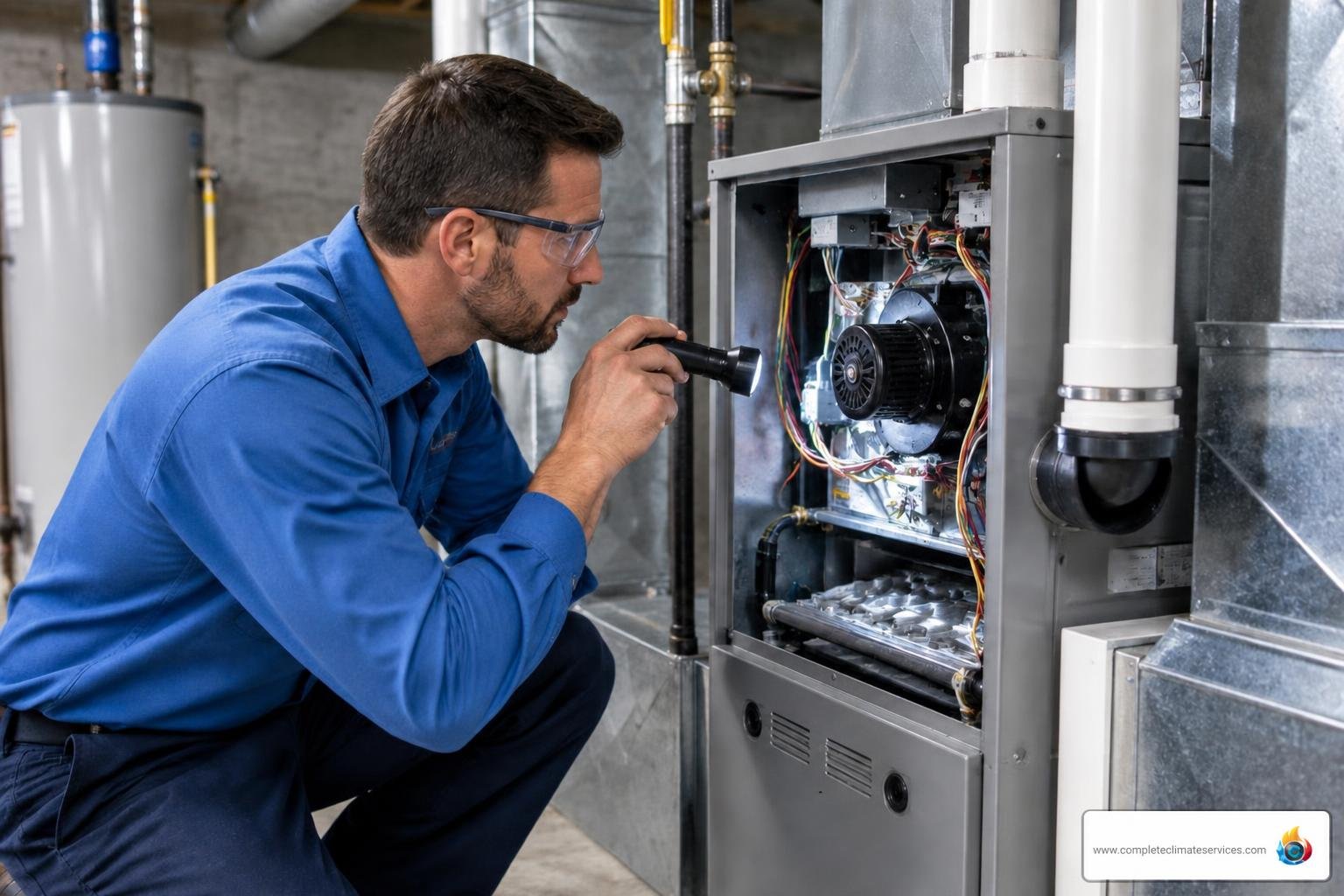
A professional estimate begins with a conversation about the rooms that feel uncomfortable, recent repairs, and the goals for replacement. The contractor should then evaluate the equipment, ductwork, controls, venting, and the space where the new system would be installed. That work creates a stronger foundation than selecting equipment from a phone description alone.
The visit should also examine conditions that affect performance after installation. Airflow restrictions, return paths, combustion venting, condensate drainage, access limitations, and electrical connections can change the final scope. Identifying these details early helps prevent a proposal from overlooking work the home may need.
System sizing deserves the same care as the equipment inspection. Complete Climate Services uses a Manual J load calculation to size every new system, considering the home’s layout, insulation, windows, ceiling height, and air leakage. Proper sizing can help avoid uneven temperatures, unnecessary cycling, and equipment that struggles to meet the home’s needs.
ENERGY STAR hiring tips advises homeowners to share the model and maintenance history of their system before calling a contractor. The same guidance explains that a home evaluation should account for the house size, insulation, windows, ducts, and equipment sizing. It also recommends written, itemized estimates that make cost, efficiency, and warranty coverage easier to compare.
A written proposal should describe the recommended equipment, included installation work, materials, assumptions, and any conditions needing attention. Homeowners should have time to ask why a particular option fits the home and what could affect the completed scope. An estimate should provide useful information without creating an obligation to move forward.
A thorough proposal should explain how existing duct connections, venting paths, equipment access, and surrounding materials affect the planned work. The contractor should explain what is included, what may need further attention during installation, and how the work area will be protected. Clear expectations about equipment removal and final testing help prevent misunderstandings before work begins. A proposal is easier to compare when it separates confirmed work from possibilities that depend on site conditions.
For a replacement involving a gas or electric furnace, the proposed furnace installation should reflect the home’s existing systems and installation conditions. Heat pump options can also be discussed when a homeowner wants an alternative approach to indoor comfort. A recommendation should explain the practical reasons for each option in plain language.
Signs It Is Worth Scheduling an Estimate This Fall
A replacement estimate can be worthwhile when a heating system no longer provides dependable comfort or when repair decisions become difficult. Rooms that stay cold, frequent service calls, unusual operation, and rising utility use can all justify a closer look. A visit lets a qualified contractor assess the complete system rather than focusing on a single symptom.
ENERGY STAR replacement signs notes that a furnace or boiler more than 15 years old, or a heat pump more than 10 years old, may be worth evaluating for replacement. Frequent repairs combined with rising energy bills are another reason to compare options. Those signs do not automatically require a new system, but they support a careful professional assessment.

An in-home visit is especially useful when the current equipment has been altered, the home has changed, or comfort varies between rooms. Renovations, new windows, insulation improvements, and changed living patterns can affect what the home needs from its heating equipment. The estimate creates an opportunity to discuss those changes before committing to a recommendation.
Homeowners considering different approaches can ask how dual fuel systems may fit existing utility connections and comfort goals. The right choice depends on the home’s layout, equipment location, and expectations for daily use. A clear discussion should focus on the complete installation plan, not just a product category.

Before scheduling, gather any service records and notes about recurring concerns. These details give the contractor a better starting point and help homeowners describe what has changed. A focused conversation keeps the visit centered on the concerns that matter most.
The estimate can also clarify whether the current system’s problems come from the equipment itself or related parts of the home. Duct restrictions, thermostat placement, venting concerns, and access issues can affect comfort even when the equipment still operates. Understanding the full picture helps homeowners decide whether repair, replacement, or a targeted correction makes the most sense. It also creates a useful record of the home’s conditions before work is authorized.
How to Prepare Your Home for the Visit
Preparing for an estimate helps the contractor spend more time evaluating the home and less time searching for basic information. Make a short list of comfort concerns, such as cold rooms, uneven airflow, unusual sounds, or recent repairs. Gather service records, equipment details, and utility statements if they are available.
Clear a path to the heating equipment, thermostat, attic access, basement, and any rooms with noticeable comfort problems. The contractor may need to inspect ducts, vents, electrical connections, and surrounding clearances. Easy access supports a more complete evaluation and a more accurate written scope.
Homeowners should also think about how the household uses the space. Mention finished areas, additions, rooms that are used differently, and changes to insulation or windows. These details help explain why equipment that seemed adequate in the past may no longer match the home’s needs.
If ongoing upkeep is part of the decision, ask how maintenance plans can support regular system care after installation. Maintenance discussions should be practical, covering access, filter changes, inspection needs, and the homeowner’s expectations. That information can help shape a recommendation that fits the home beyond installation day.
A prepared homeowner can also bring a previous proposal for comparison. The goal is not to force identical recommendations, but to understand the assumptions behind each scope. Clear information gives both the homeowner and contractor a stronger basis for the conversation.
It is helpful to write down what matters most before the appointment begins. Some homeowners prioritize steadier temperatures, while others want fewer repairs, clearer controls, or a solution that fits the available installation space. Sharing those priorities helps the contractor explain tradeoffs without guessing about the household’s expectations. The result is a conversation that connects technical findings with daily comfort needs.
Questions to Ask During the Estimate
An estimate visit is the right time to ask how the recommendation addresses the home’s specific comfort concerns. Ask what the contractor found during the inspection and which conditions are included in the proposed work. A clear answer should connect the equipment choice to the home’s layout, ducts, venting, and installation space.
Ask whether the proposal includes permits, materials, labor, removal of old equipment, and any corrections the contractor expects to complete. It is also helpful to ask what assumptions could change after work begins. Knowing those details makes later comparisons more meaningful and reduces uncertainty about the scope.
Homeowners can ask how efficiency features, controls, and equipment configuration may affect everyday comfort. Financing options are available; ask us for the current details. BGE EmPOWER Maryland may offer rebates for qualifying equipment; we can help check eligibility.
When evaluating a contractor, choosing an HVAC company can help frame questions about communication, licensing, workmanship, and written documentation. Ask who will perform the installation and how the crew will protect the home during the work. The answers should be specific, understandable, and consistent with the written proposal.
Finally, ask for time to review the recommendation before making a decision. A trustworthy estimate should make the homeowner feel informed, not rushed. The most useful proposal is clear enough for the homeowner to explain in plain language.
Ask how the recommendation will be documented after the visit. Written notes about equipment, scope, and assumptions give homeowners something concrete to review with other decision makers. They also make it easier to return with focused questions if part of the proposal needs clarification. A contractor should welcome those questions and explain the answers without relying on vague promises.
Comparing Proposals the Right Way
Comparing proposals works best when homeowners look beyond the lowest total. Review the scope of work, equipment type, efficiency features, warranty coverage, materials, and included corrections. A lower figure can leave out work that another proposal clearly describes, so each line should be considered in context.
A useful comparison begins with the inspection findings. Ask whether each contractor evaluated the same ducts, venting, access conditions, and equipment location. If the recommendations differ, request a plain explanation of the assumptions behind each approach.
The repair or replace discussion can help homeowners organize the factors behind a replacement decision. For equipment efficiency, HSPF2 ratings can provide helpful context when reviewing heat pump choices. Duct conditions also matter, and furnace ductwork explains why installation details influence comfort and performance.
Complete Climate Services offers free second opinions on complete system replacements. A second visit can confirm the existing conditions, review another contractor’s proposal, and explain reasonable alternatives. The goal is to help homeowners compare the full plan with confidence.
When reviewing another proposal, compare the stated scope before comparing the final total. Look for differences in equipment placement, duct modifications, permits, disposal, controls, and the corrections included with installation. If an item is unclear, ask each contractor to explain whether it is included, excluded, or dependent on a condition found later. This approach keeps the comparison focused on the work the home actually needs.
Frequently Asked Questions
Is there any obligation after a free estimate?
A complimentary estimate is intended to give homeowners a clear basis for considering replacement options. The contractor should explain the findings, proposed work, and equipment choices without pressuring anyone to commit. Homeowners can review the details and decide whether the recommendation fits their needs.
Do I need to be home for the estimate?
An adult who knows the home’s comfort concerns should attend the visit whenever possible. That person can show the contractor problem areas, explain recent issues, and provide access to the relevant spaces. Being available also makes it easier to discuss the recommendation before the visit ends.
What information should I have ready?
Have the system’s service history, recent repair details, and notes about comfort concerns ready for the conversation. Information about renovations, insulation changes, and window updates can also be helpful. These details give the contractor better context for the evaluation.
Why do estimates from different companies differ so much?
Estimates can vary because each contractor may identify different site conditions or include different parts of the installation. Equipment selections, ducts, permits, venting, and access needs can change the written scope. Compare the specifics of the work before deciding which proposal offers the strongest value.
Can you give a second opinion on a replacement another company recommended?
Yes. Complete Climate Services can review a recommendation for a complete system replacement and explain the conditions observed during a separate visit. Bringing the other proposal helps the contractor compare the listed scope with the home’s actual needs. That conversation can make the available choices easier to understand.
Conclusion
A careful estimate gives homeowners a practical way to evaluate heating replacement choices before winter. It brings together the home’s comfort concerns, equipment condition, installation needs, and the details behind a written proposal. That clarity makes it easier to compare recommendations without relying on a single headline figure.
When you are ready to discuss the home’s heating needs, contact our team to schedule a free estimate. Complete Climate Services will explain the findings, answer questions, and provide a clear proposal for the next step.
Written by Michael Holcomb, Co-Founder and Operations Manager, Complete Climate Services.
Complete Climate Services LLC · 204 S Chapel St, Baltimore, MD 21231 · (443) 898-4747

