
Why Indoor Air Quality Demands a Specialist — Not Just a Contractor
An indoor environmental professional (IEP) is a trained specialist who assesses and manages health risks inside buildings — including mold, poor air quality, chemical exposure, and more.
Quick answer: What does an indoor environmental professional do?
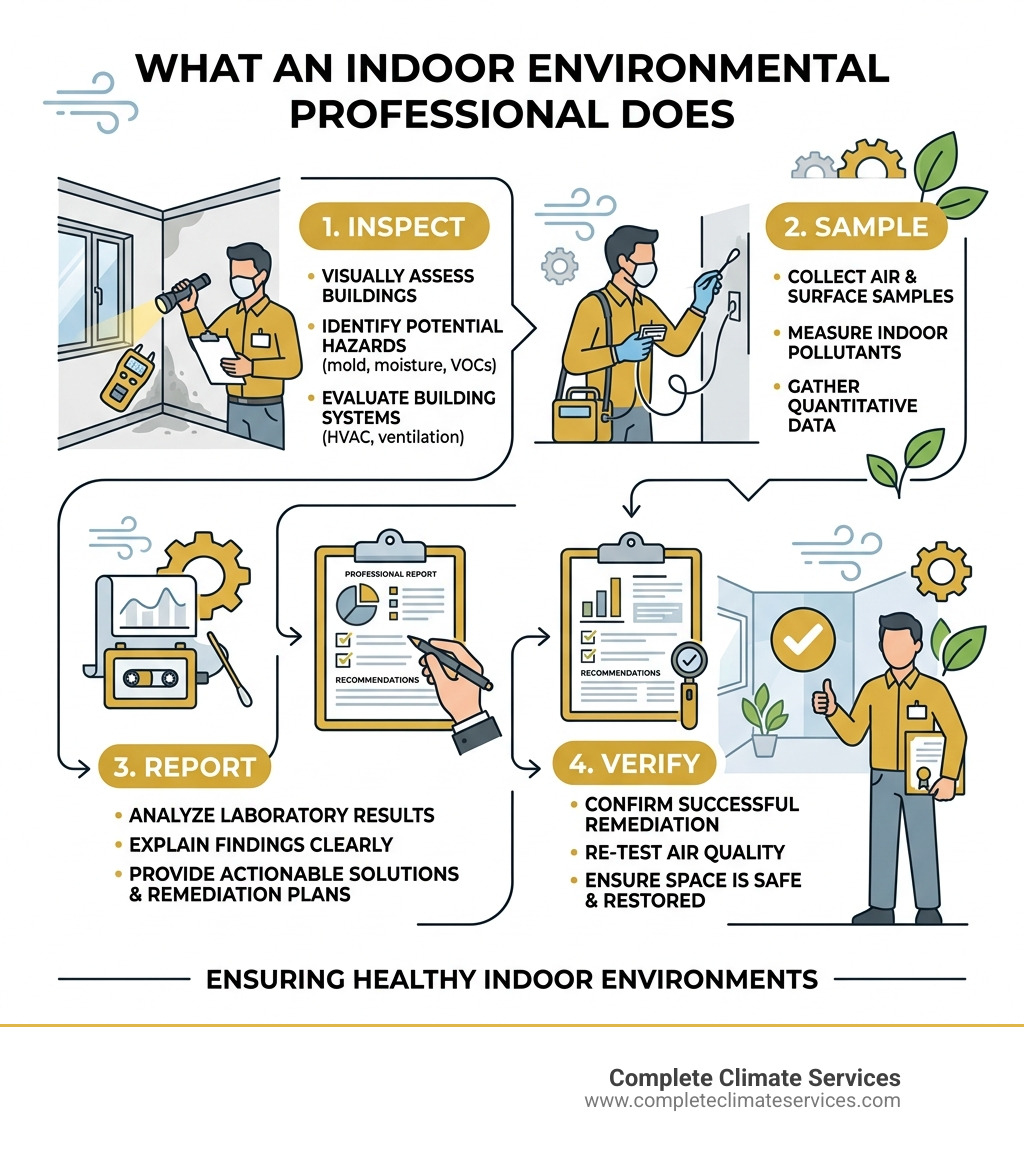
- Inspects buildings for biological, chemical, and physical hazards
- Collects and interprets air, surface, and moisture samples
- Identifies root causes of poor indoor air quality (IAQ)
- Writes detailed reports with remediation recommendations
- Verifies that a space has been properly restored after cleanup
- Works independently from remediation contractors to avoid conflicts of interest
Most people don’t think much about the air inside their home. But the EPA ranks poor indoor air quality among the top five environmental risks to public health — and indoor air can be anywhere from 2 to 5 times, sometimes up to 100 times, more polluted than the air outside.
That’s a serious problem. And it’s one that a standard HVAC technician or general contractor isn’t always equipped to solve.
That’s where an IEP comes in.
I’m Michael Holcomb, co-founder and operations manager of Complete Climate Services. Through years of helping Baltimore homeowners improve their heating and cooling systems, I’ve seen how often indoor air issues go undetected — and how a qualified indoor environmental professional can make all the difference in protecting a family’s health.
What is an Indoor Environmental Professional?
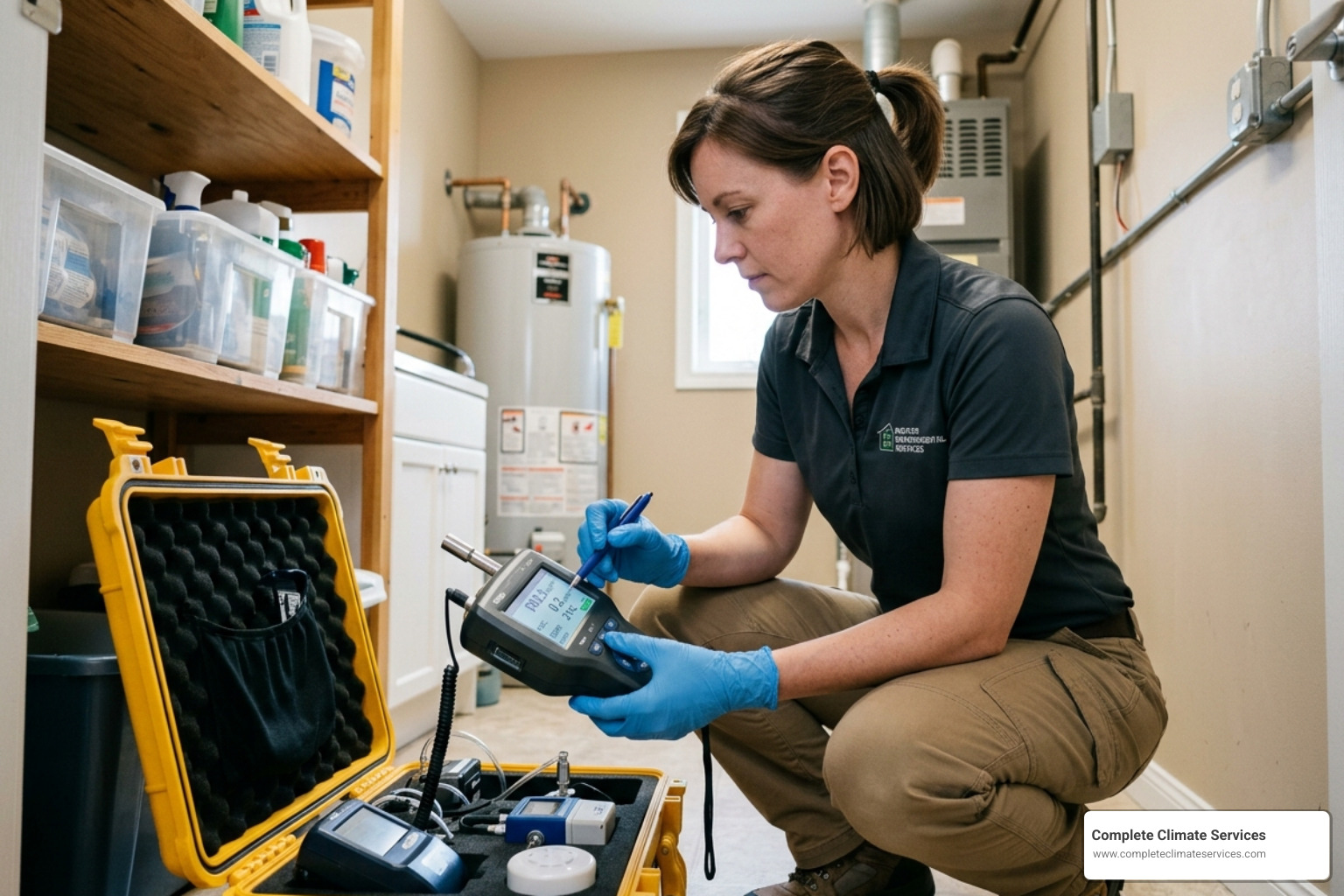
When we talk about an indoor environmental professional, we aren’t just talking about someone who “tests for mold.” Think of an IEP as a detective for your home’s health. They specialize in the “built environment”—the man-made spaces where we spend about 90% of our lives.
Their job is to manage risks across a broad spectrum of categories. This includes biological hazards like mold and bacteria, chemical exposures like Volatile Organic Compounds (VOCs) or lead, and physical parameters like humidity and airflow. They use a multi-disciplinary approach, often drawing from building science, microbiology, and industrial hygiene.
The American Industrial Hygiene Association (AIHA) actually identifies eight specific parameters that a true IEP should master:
- Health Effects
- Legal and Communication Skills
- Building Science
- HVAC Hygiene
- Microbiology and Mycology
- Assessment and Remediation Protocols
- Indoor Environmental Quality (IEQ)
- Exposure Assessment
By combining these skills, an IEP can look at a house in Columbia or a commercial building in Baltimore City and understand not just that there is a problem, but why the problem exists.
The Role of an Indoor Environmental Professional in Remediation
One of the most critical roles an IEP plays is in the remediation process. If you find a massive leak or a wall covered in mold, you might be tempted to call a cleanup crew immediately. However, an IEP acts as the “bridge” between the problem and the solution.
They develop a remediation protocol—a step-by-step roadmap that tells the cleaning company exactly what needs to be removed and how to do it safely. Once the work is done, the IEP returns for “post-remediation verification.” This is essentially a final exam for the remediation company. The IEP tests the air and surfaces to ensure the environment has been restored to a healthy level.
We often suggest reading this guide to indoor air quality testing before starting a major project, since it makes the results much easier to understand.
Finding a Qualified Indoor Environmental Professional
Finding a credible professional in Maryland requires some due diligence. In some states, licensing is strictly regulated, while in others, it’s a bit more of a “Wild West.” When searching for an IEP in areas like Towson or Ellicott City, you should look for individuals listed in reputable directories like the International Society for Environmentally Acquired Illness (ISEAI).
Many highly experienced IEPs now even offer virtual consultations. While a physical site visit is usually best for detecting hidden leaks, a virtual consult can be a great first step for reviewing lab results or discussing symptoms related to your home environment.
Key Certifications and Qualifications to Look For
Not all “inspectors” are created equal. In fact, some people call themselves experts after a weekend course. To protect your home in Baltimore County or Anne Arundel County, you need to look for specific, accredited designations.
The “Gold Standard” in the industry is the Council-certified Indoor Environmental Consultant (CIEC). This isn’t just a certificate you buy; it’s a designation accredited by the Council for Engineering and Scientific Board (CESB).
CIEC vs. CIE vs. CIH: What’s the Difference?
To help you navigate the alphabet soup of credentials, here is a breakdown of what these titles actually mean:
| Requirement | CIEC (Consultant) | CIE (Environmentalist) | CIH (Industrial Hygienist) |
|---|---|---|---|
| Experience | 8 years of field experience | 2 years of field experience | 5 years + Degree |
| Focus | Advanced IAQ & Project Mgmt | General IAQ Investigations | Chemical & Physical Hazards |
| Board Approval | Unanimous Board Vote | Board Approval | Comprehensive Exam |
| Continuing Ed | 20 hours/year | 20 hours/year | Varies |
A certified indoor environmental consultant has proven they have the “boots on the ground” experience to handle complex cases. They are required to re-certify every two years, ensuring they stay up to date on the latest building codes and scientific research.
Professional Organizations and Standards
Credible IEPs usually belong to organizations like ISEAI (International Society for Environmentally Acquired Illness) or the AIHA (American Industrial Hygiene Association). They also follow industry-standard “bibles,” such as the IICRC S520, which is the standard for professional mold remediation.
Staying informed goes a long way, and guides like this simple breakdown of air quality monitoring can help you keep tabs on your home between professional checkups.
When to Hire an IEP for Your Home or Office
When should you stop DIY-ing and call in a pro? There are several common “triggers” we see in the Baltimore area:
- Health Issues: If you or your family members suffer from unexplained headaches, fatigue, or respiratory issues that seem to improve when you leave the house, you may be dealing with an Environmentally Acquired Illness (EAI).
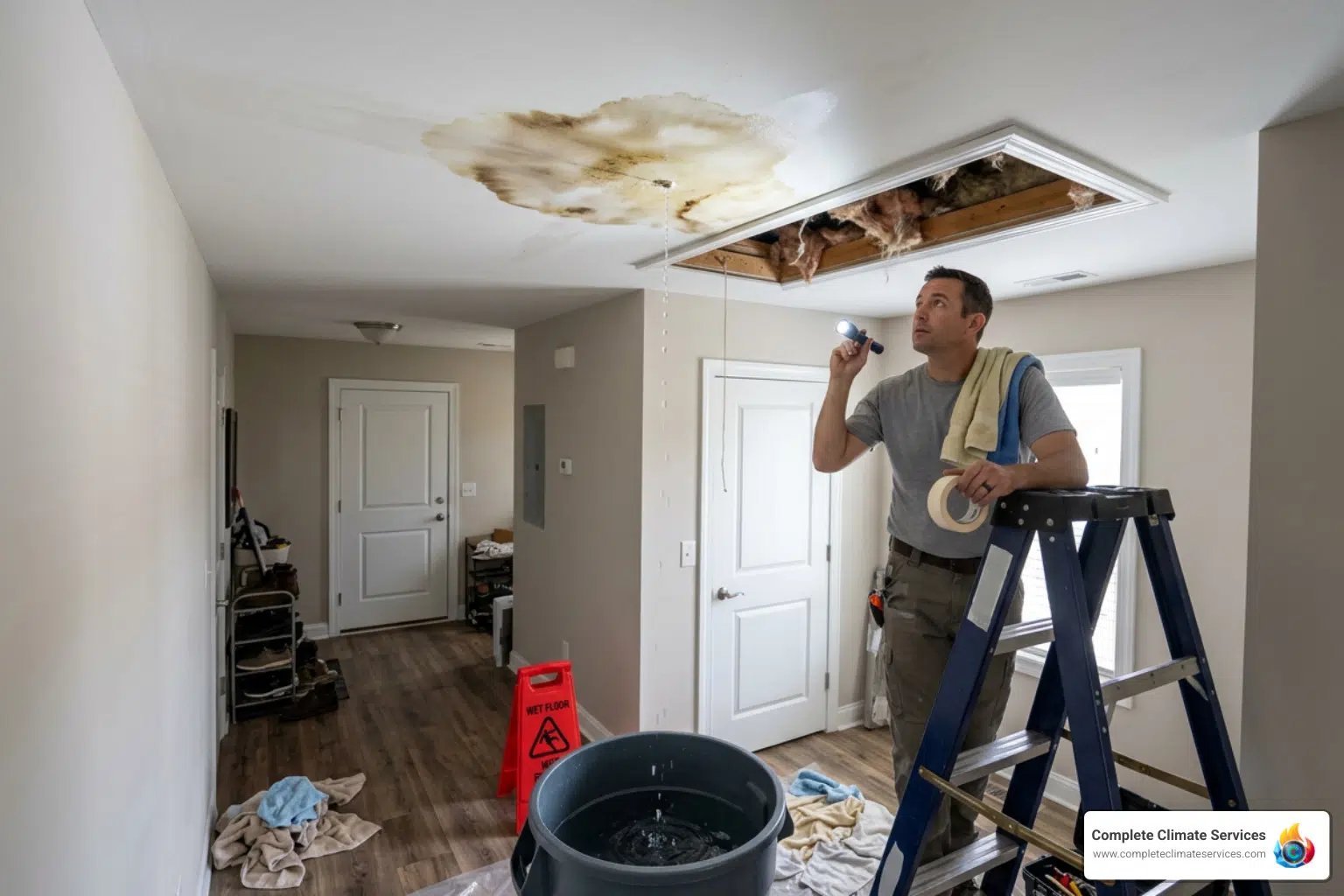
- Water Damage: If you’ve had a pipe burst in Owings Mills or a basement flood in Dundalk, mold can begin growing within 24 to 48 hours. An IEP can find moisture hidden behind drywall that you can’t see.
- Musty Odors: That “old house smell” is often actually the off-gassing of mold spores (MVOCs). If you smell it, something is growing.
- Real Estate Transactions: Buying a home in Ellicott City? A standard home inspection might miss specialized air quality issues.
- Immunocompromised Occupants: If someone in the home is undergoing chemotherapy or has a weakened immune system, the “acceptable” level of indoor pollutants drops significantly.
For many people, the first step is figuring out how to make the air at home healthier, but if you’re dealing with workplace indoor air quality concerns or visible damage at home, it’s time to bring in a specialist.
The IEP Assessment and Inspection Process
When an indoor environmental professional arrives at your property in Glen Burnie or Catonsville, they don’t just start waving a magic wand. It is a systematic, scientific process.
First, they take a site history. They want to know when the house was built, if there’s a history of leaks, and what the health symptoms are. Next comes the visual assessment. This is where the IEP uses tools like infrared thermography (thermal imaging) to find “cold spots” in walls that indicate moisture.
Sampling Strategies and Data Interpretation
IEPs are often called “pump jockeys” by skeptics who think they just pull air through a filter and leave. A real pro, however, uses a tailored sampling strategy. This might include:
- Air Sampling: To catch airborne spores or particulates.
- Surface Swabs: To identify specific types of mold or bacteria.
- VOC Testing: To look for chemical off-gassing from carpets or paint.
- ERMI (Environmental Relative Moldiness Index): A DNA-based test that looks at the history of mold in the dust of the home.
The sample is only one piece of the puzzle. What really matters is how the results are read in context. A lab report may list “Penicillium/Aspergillus,” but an IEP helps explain what that could mean for your home, including how your HVAC system may be affecting air movement and exposure. Just as important, keeping up with HVAC maintenance can help stop many indoor air quality problems before they grow.
Comprehensive Reporting and Mitigation Protocols
After the inspection, you should receive a detailed written report. This isn’t just a “pass/fail” grade. It includes a root cause analysis. For example, instead of just saying “there is mold,” the report might say “the mold is caused by a disconnected bath fan venting into the attic.”
The report should also explain engineering controls and containment strategies so contaminants do not spread through the rest of your home during cleanup. If you also want to learn more about improving HVAC air quality in Baltimore, these recommendations can be especially helpful.
Common Contaminants Addressed by IEPs
IEPs deal with a “rogue’s gallery” of indoor pollutants. While mold is the most famous, it’s far from the only concern.
- Toxic Mold: Certain molds produce mycotoxins that can be harmful even after the mold is dead.
- Asbestos and Lead: Common in older Baltimore homes (pre-1978).
- VOCs: Chemicals from cleaning supplies, new furniture, or “air fresheners.”
- EMF (Electromagnetic Fields): Some IEPs specialize in measuring radiation from electronics.
- Particulate Allergens: Dust mites, pet dander, and pollen.
Seasonal changes matter, too. Many indoor air problems tend to show up as summer shifts into fall, as we explain in our guide to how autumn affects indoor air quality.
HVAC Hygiene and Air Purification Solutions
Your HVAC system is the “lungs” of your home. If the lungs are dirty, the body suffers. IEPs often recommend deep cleaning of coils and blowers, or even duct sealing to prevent contaminated air from being sucked in from attics or crawlspaces.
One of the most effective tools we’ve seen is the Air Scrubber Plus®. This system uses ActivePure™ technology—originally developed for the International Space Station—to actively send out “scrubbers” into your air. It’s proven to reduce up to 99.9% of surface microorganisms and about 90% of airborne contaminants.
Whether you are looking for ways to keep your home’s air cleaner all year or exploring how mini-splits can help solve air quality issues, modern purification technology can make a real difference.
Frequently Asked Questions about IEPs
How does an IEP differ from a mold remediator?
This is the most important distinction in the industry. Think of the IEP as the doctor and the remediator as the surgeon. The doctor (IEP) diagnoses the problem and writes the prescription. The surgeon (remediator) performs the operation.
To avoid a conflict of interest, you should always use separate companies. If the person testing your air is also the person who gets paid $5,000 to clean it, they have a financial incentive to find a “problem.” An independent IEP provides unbiased data.
Is an IEP the same as an HVAC technician?
Not quite. While we at Complete Climate Services are experts in airflow, temperature, and system mechanics, an IEP focuses specifically on the science of pollutants. We often work together; an IEP might diagnose a humidity issue, and we will install the high-end dehumidification system or the Indoor Air Quality upgrades needed to fix it.
Why is indoor air quality testing necessary if I don’t see mold?
Because the most dangerous things are often invisible. Hidden biotoxins, microscopic particulates, and VOC gases can’t be seen with the naked eye. Since indoor air can be up to 100 times more polluted than outdoor air, a professional assessment is the only way to truly know what you’re breathing.
Conclusion: Breathe Easier with Complete Climate Services
At the end of the day, your home should be a sanctuary, not a source of stress. Whether you live in a historic rowhouse in Baltimore City or a modern home in Perry Hall, the quality of your indoor environment matters.
At Complete Climate Services, we have over 20 years of experience providing honest, reliable HVAC services across Maryland. While we focus on the mechanical side of your home’s health, we understand the vital role that an indoor environmental professional plays in keeping our customers safe.
If you’re worried about your air, don’t wait for symptoms to get worse. From high-efficiency filtration to our customized “Healthy Home Packages,” we are here to help you take control of your environment.
Ready to improve your home’s health? Explore our Indoor Air Quality services today or give us a call—we’ve earned our 5.0 rating by treating every home like our own.