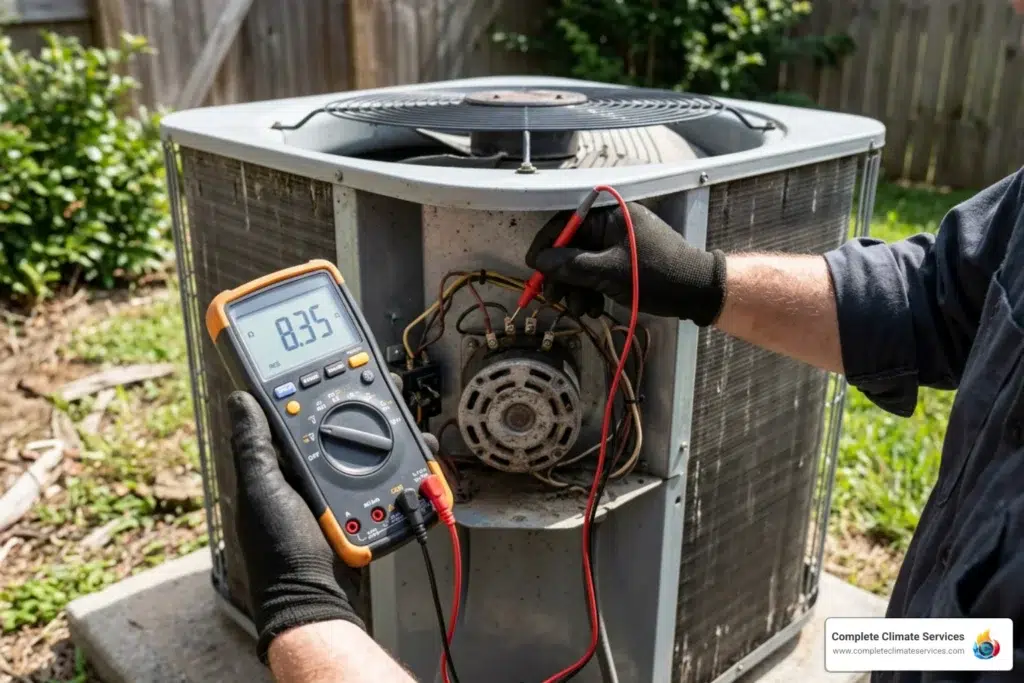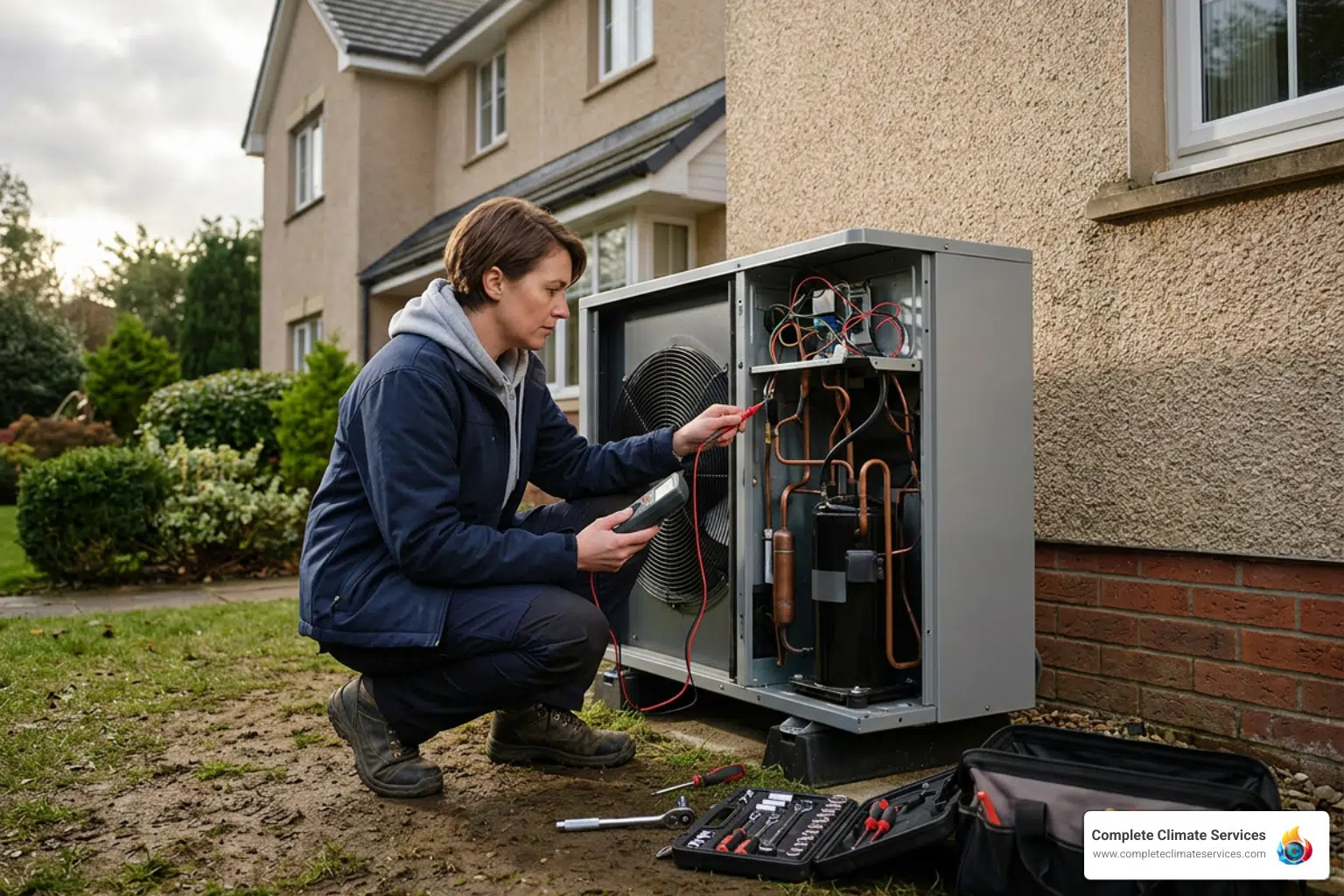

Heat Pump Installation in Winter can be more challenging in Maryland, especially for homes in Baltimore or Columbia. When winter arrives, heating systems work harder than usual. For many homes, this extra strain reveals problems that have been quietly building over time. Homeowners in Baltimore or Columbia begin to consider heat pump installation services as a way to enhance comfort and reduce heating challenges. Heat pumps, which both heat and cool, offer long-term efficiency and versatility. Our heat pump systems in the Baltimore area deliver year-round comfort from a single piece of equipment. However, Heat Pump Installation in Winter requires extra planning and expertise.
It is vital to understand the unique challenges of winter installations. This guide outlines key considerations to help you navigate the process, ensuring your home remains warm and energy-efficient throughout the season.
Why Winter Timing Makes a Difference
Winter brings not only snow and frost but also changes the way heating systems operate. In colder weather, heat pumps must work harder to extract heat from the outdoors. That does not mean they cannot perform; rather, performance can drop slightly if the unit is not designed for harsh conditions. Homeowners often reach out at the same time during extreme cold, which can lead to longer wait times for parts, inspections, and permits. Installers must also contend with freezing temperatures, slippery roofs, and snow-packed yards, where tasks that might be quick in mild weather require adjustments and extra care.
Understanding If a Heat Pump Is Right for Your Home
Not every home in Baltimore or Columbia is ideally suited for a heat pump, especially during winter. Before installation, we review several key factors to determine the best solution for your property. Homes with tight seals, proper insulation, and modern windows tend to maintain heat more effectively, allowing the heat pump to work more efficiently. The overall room layout also matters; houses with many closed-off spaces or older additions may benefit from multi-zone setups or additional indoor units. Past heating issues, such as uneven warmth or persistent cold drafts, can further signal whether a heat pump is a suitable option.
Before installation, a thorough inspection of your home’s insulation, window quality, and overall energy efficiency is conducted. This process not only determines whether a heat pump is the ideal choice but also highlights areas for potential improvement, ensuring that your investment delivers maximum benefits during the winter months.
Choosing the Right Heat Pump for Cold Temperatures
As temperatures drop, not every heat pump will provide sufficient warmth indoors. There is a marked difference between standard models and those specifically engineered for cold climates. Standard units might struggle when temperatures fall below freezing, while cold-climate models are built to operate reliably even in icy conditions. When selecting a unit, look for features such as inverter technology, which adjusts the workload to maintain steady indoor temperatures. Built-in defrost features help prevent the outdoor coil from icing, and models using special refrigerants along with dual-stage compressors tend to deliver more consistent performance.
Selecting the correct model is crucial because the performance under extremely cold conditions distinguishes between efficient energy use and higher operating costs. The advice of a certified technician can be invaluable in matching the unit to your home’s requirements.
Heat Pump Installation in Winter: What to Expect
Installing a heat pump in winter presents its own set of challenges. Snow on the ground, frozen lines, and below-freezing temperatures can all affect the installation timeline. Weather delays are possible if the ground is too frozen or if snowfall covers the work area. Safety checks typically take longer when working with pressurized systems and slippery tools. Achieving a good seal is critical; cold-weather caulking, weatherproof pads, and proper insulation around pipes and lines are necessary to ensure optimal performance.
Despite these challenges, careful planning and professional expertise can greatly mitigate delays and ensure a successful installation. Being prepared for minor setbacks can lead to a smoother overall experience.
Heat Pump Maintenance Tips Once It Is Installed
Once the heat pump is installed, ongoing maintenance is essential to keep it running efficiently throughout the winter. We offer services that include installation, repair, replacement, and maintenance in the Baltimore area to support you after the initial setup. To maintain optimal performance, it is important to clear the outdoor unit of any snow, ice, or leaves that may obstruct airflow. Regularly changing filters is also crucial because a dirty filter forces the unit to work harder and can lead to uneven heating.
Additionally, pay attention to any unusual sounds or changes in temperature. These may be early indicators of an issue that requires professional attention. Routine maintenance not only prevents unexpected breakdowns but also extends the lifespan of your system.
Ready for the Cold: Getting the Best Results from Your New Heat Pump
Embarking on a winter installation can seem daunting, but with the right approach, it promises steady and reliable home heating. A new heat pump maintains consistent temperatures rather than oscillating between extremes. Though winter installations can involve longer wait times and additional planning, the end result is a quiet, evenly warmed home that offers dependable comfort. Choosing the right equipment and working with experienced installers ensures that the process is both safe and efficient.
In summary, choosing the right heat pump and scheduling its installation during winter involves understanding your home’s specific needs, the available technology, and the practical aspects of working in cold weather. With the correct approach, you can enjoy a reliable and efficient heating solution that stands up to the challenges of the season.
Frequently Asked Questions
How long does a heat pump take to install in winter?
Every home is different, but cold weather can extend installation times due to frozen yards or icy driveways.
Will a heat pump still work when it is below freezing?
Yes, as long as it is designed for cold climates.
Can my old furnace stay in place as a backup?
Yes, many systems allow your furnace to remain as a backup, activating only when it is needed.
Do I need to clear snow from the outdoor unit?
Yes, snow or ice buildup can block airflow and reduce efficiency.
Why wait until winter to install a heat pump?
Some homeowners wait until their old system fails, but proactive installation can prevent future issues. These frequently asked questions help clarify common concerns and underscore the importance of timely maintenance and expert installation.
Upgrade Your Home’s Heating With Confidence
When you are considering a new heating solution this winter in Baltimore or nearby Columbia, having the right guidance makes all the difference in comfort and reliability. Learning about our heat pump installation services gives you a clear picture of what to expect, from selecting the right system to choosing the best installation timing for your home. Connect with Complete Climate Services to discuss your options and schedule a convenient time for your upgrade.