

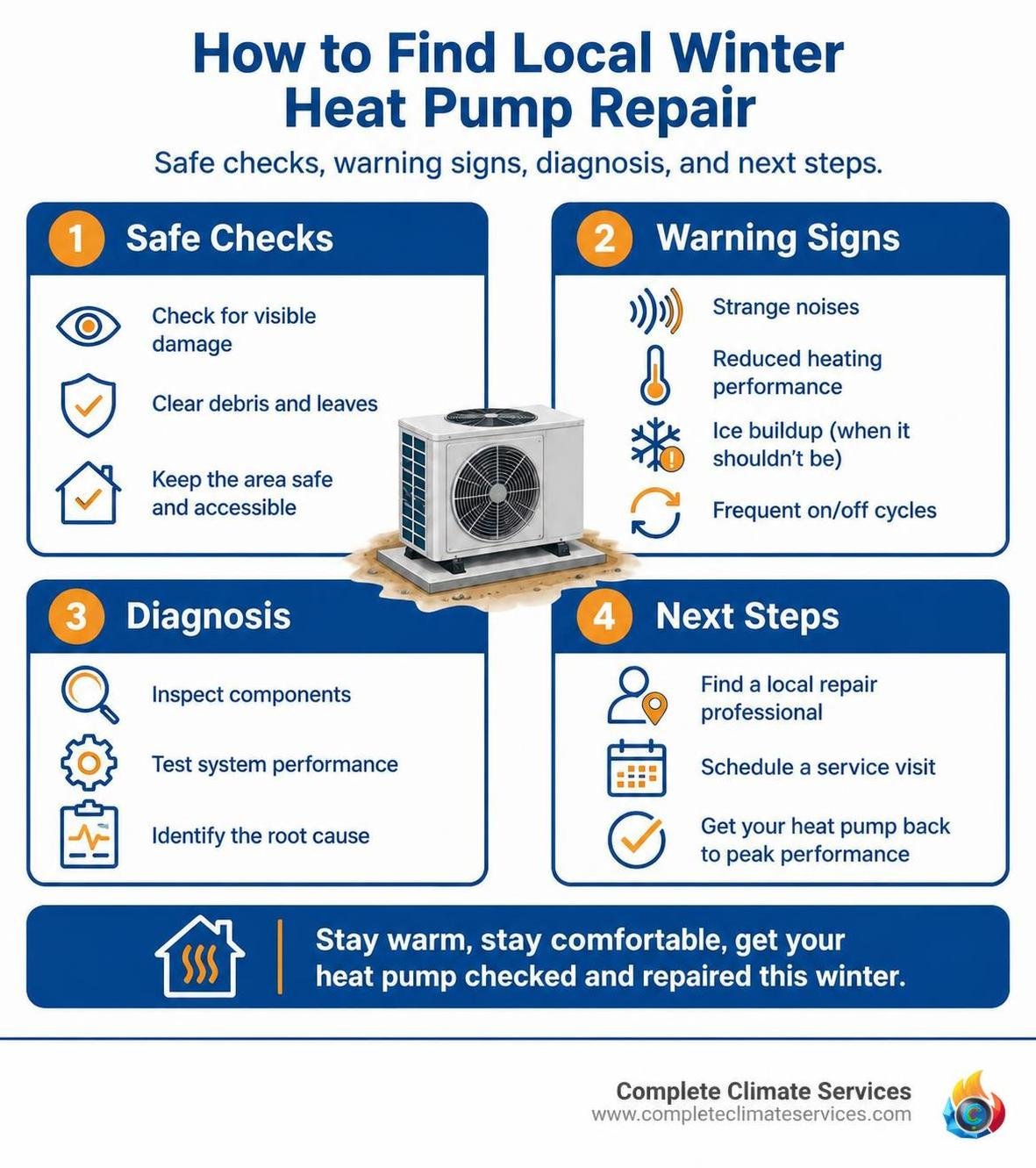
For heat pump repairs near me, check your thermostat and central air filter before calling a technician. When your home loses heating during freezing weather, tell your contractor about frost accumulation or burning odors. Always request a thorough on-site diagnosis and upfront pricing before approving any physical heating work on equipment.
A brief blast of cooler air remains completely normal whenever an outdoor heat pump defrosts its coils. Heavy ice that refuses to melt, or living areas that stay chilly, demands immediate professional diagnostic attention. We assist homeowners across Baltimore City, Baltimore County, Anne Arundel County, and Howard County with reliable winter heating. This guide explains safe homeowner checks and outlines what happens during a service visit.
I’m Michael Holcomb, Co-Founder and Operations Manager of Complete Climate Services. Our local residential HVAC company brings 20+ years of HVAC experience and 5.0 stars on Google to every visit. I will walk you through what happens when you request heat pump repairs near me during freezing winter months.
Winter Heat Pump Problems Baltimore Homeowners Notice
Freezing winter weather places substantial mechanical stress on residential heating equipment across our entire service area. Recognizing early warning signs prevents complete heating loss during sudden freezing temperature drops in the colder months. Local homeowners catch developing component failures early by monitoring daily indoor comfort and supply register airflow changes. Reviewing these common signs of trouble ensures that heating issues get resolved quickly by trained technicians.
Catching minor heating issues early prevents small mechanical defects from developing into expensive mid-winter equipment breakdowns. Attentive homeowners who notice subtle performance changes can arrange timely service before outdoor temperatures drop substantially. Addressing strange sounds, weak airflow, or fluctuating temperatures protects vital compressor components against lasting internal damage. Routine visual observation helps families maintain continuous comfort and avoid stressful heating emergencies during major winter storms.
Cold Air Coming From Vents
A regular heating cycle delivers steady, warm airflow through your home supply registers during cold weather periods. When supply registers blow unheated air continuously, vital internal controls or safety switches may have failed completely. A malfunctioning reversing valve prevents the system from shifting out of cooling mode into winter heating operation. Reviewing heat pump repair basics helps homeowners distinguish between regular defrost cycles and mechanical failure.
When electrical switches fail, your system cannot transfer heat from outdoor air into your living spaces properly. Faulty sensors can also signal the outdoor unit to blow unconditioned ambient air throughout indoor living zones. Homeowners should monitor register temperatures carefully to confirm whether cool air persists beyond a brief defrost period. Prompt diagnosis by a trained professional prevents unnecessary mechanical strain across all critical heating components.
Heavy Ice Buildup on the Outdoor Unit
Winter operation naturally produces a light coating of frost across exterior metal coil surfaces during damp days. The equipment regularly melts this frost away using an automated internal defrost timer and temperature sensor sequence. Thick, solid ice blocking the entire outdoor cabinet prevents necessary airflow and damages spinning fan blades. Failed defrost control boards, broken sensors, or struggling outdoor fan motors cause this severe ice encasement.
Heavy ice accumulation suffocates exterior coils, preventing the refrigerant from absorbing ambient thermal energy from outdoor air. When ice covers the fan grille, the motor overheats while attempting to draw air through blocked passages. Homeowners should never chip away thick ice with sharp metal tools because puncturing delicate aluminum coils destroys refrigerant. Professional service safely clears severe freezing by correcting underlying defrost sensor failures and restoring proper refrigerant balance.
Auxiliary Heat Running Constantly
Supplemental electric heat strips should activate only during extreme outdoor temperature drops or rapid recovery periods. When your auxiliary heat indicator stays illuminated constantly, primary heat pump heating output has dropped substantially. Excessive supplemental heating creates higher monthly electric utility bills without providing balanced whole home indoor comfort. Homeowners facing steep auxiliary heat costs usually suffer from failing compressors, broken relays, or low refrigerant charges.
Electric resistance heat draws massive amounts of electrical power compared to standard energy efficient heat pump cycles. When the primary heat pump struggles, electric coils carry the entire heating load, driving utility costs upward. Homeowners should check their thermostat display daily to confirm that auxiliary indicators cycle off during moderate winter afternoons. Scheduling a professional diagnostic inspection identifies why your primary outdoor heat pump cannot maintain set indoor temperatures.
Frequent Short Cycling
A properly functioning heating system runs sustained cycles to distribute warm air evenly throughout every indoor room. Short cycling occurs when the heating unit starts up, runs briefly, and then shuts down abruptly. Clogged air filters, failing safety limit switches, or incorrect thermostat wiring trigger this abrupt cycling pattern. Rapid cycling accelerates mechanical wear on expensive internal electrical contactors, blower motors, and compressor components.
Short heating bursts fail to heat peripheral rooms, leaving chilly drafts and uneven temperatures across your household. Constantly stopping and restarting electrical motors draws heavy electrical inrush currents that strain internal wiring connections. Overheated blower motors and tripping high pressure safety switches frequently shut down equipment before completing full heating cycles. Professional diagnostic testing pinpoints the exact switch or airflow restriction responsible for triggering rapid cycling shutdowns.
Unusual Noises or Burning Odors
Modern residential heating equipment runs quietly while circulating conditioned air through indoor living areas during cold winter days. Loud metallic screeching, persistent grinding, or severe rattling indicates immediate physical wear inside moving motor bearings. Pungent electrical smells suggest overheating wire insulation, damaged electrical relays, or struggling blower fan motors. Investigating burning smell causes protects your equipment before catastrophic motor failure or wiring burnout occurs.
Persistent buzzing from the outdoor cabinet usually signals a failing electrical contactor or a struggling compressor motor. Loose internal fan blades can strike frozen ice accumulations inside the cabinet, generating sharp repetitive clicking sounds. Any lingering burning plastic odor requires turning off system power at the main electrical breaker panel immediately. Prompt professional inspection protects your household from electrical hazards while preventing irreversible damage to critical mechanical assemblies.
Safe Checks Before You Call
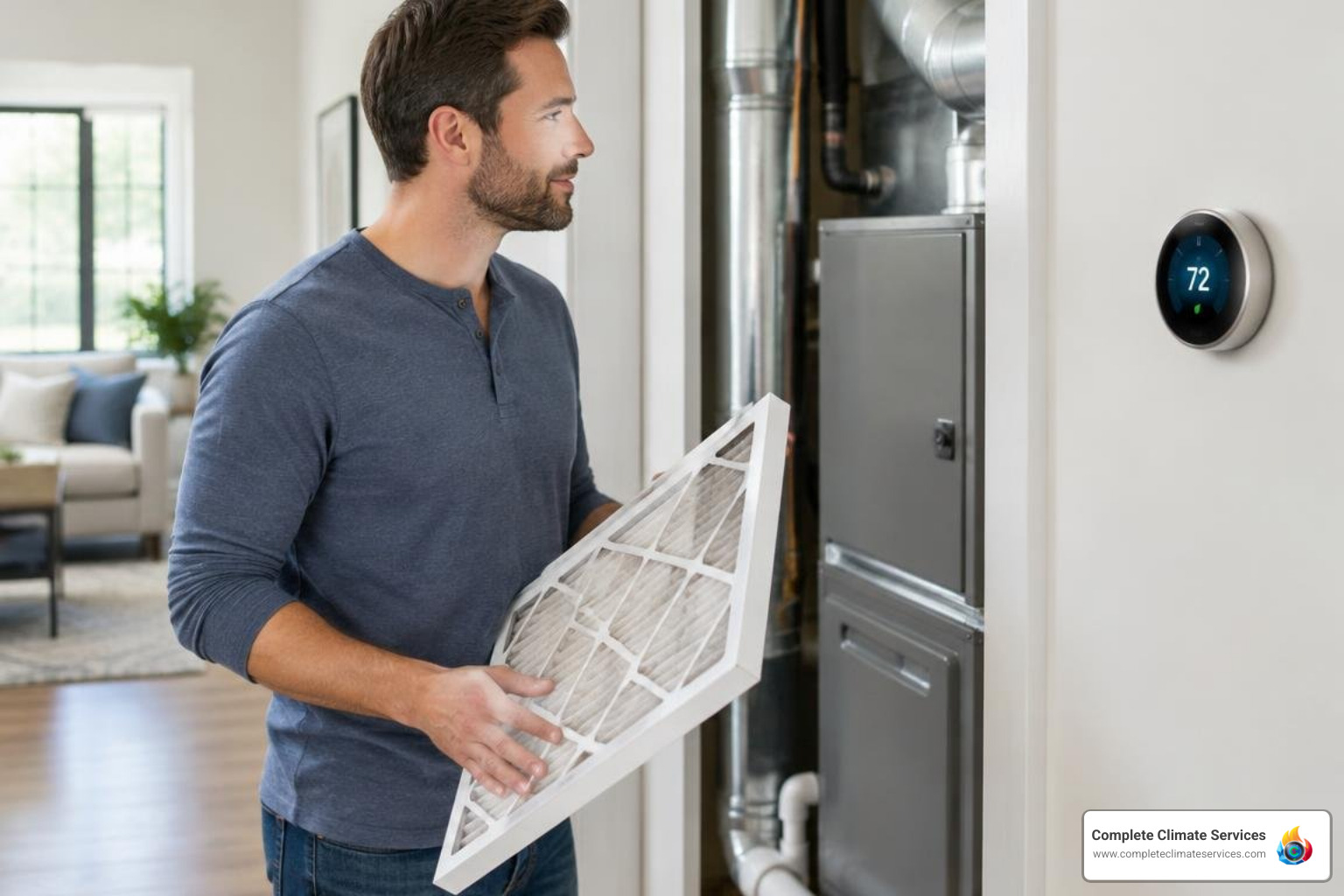
Homeowners can safely perform basic visual inspections before requesting professional on-site diagnostic service for heating issues. Always verify that your thermostat is set to heating mode with target temperatures above room conditions. Inspect your central air filter to ensure heavy dust accumulation is not choking vital system airflow. Open all indoor supply vents and return grilles to allow completely unobstructed air circulation throughout rooms.
You can safely check your main electrical panel to see if system circuit breakers have tripped. Reset a tripped heating breaker only once, and never force a breaker that instantly trips off again. Walk outside to clear away fallen autumn leaves, loose branches, or drifting snow surrounding the cabinet. Avoid attempting dangerous tasks yourself because complex internal components require trained professional handling and specialized diagnostic instruments.
All electrical work, refrigerant handling, defrost controls, reversing valves, and sealed parts are technician work exclusively. Attempting to service these specialized mechanical parts without proper training creates severe personal injury hazards for homeowners. If simple homeowner checks fail to restore heating, contact a qualified technician for safe diagnostics and repairs. Documenting unusual noises or operational symptoms helps your technician diagnose complex mechanical issues quickly during the service visit.
What Our Technician Does During Heat Pump Repairs Near Me
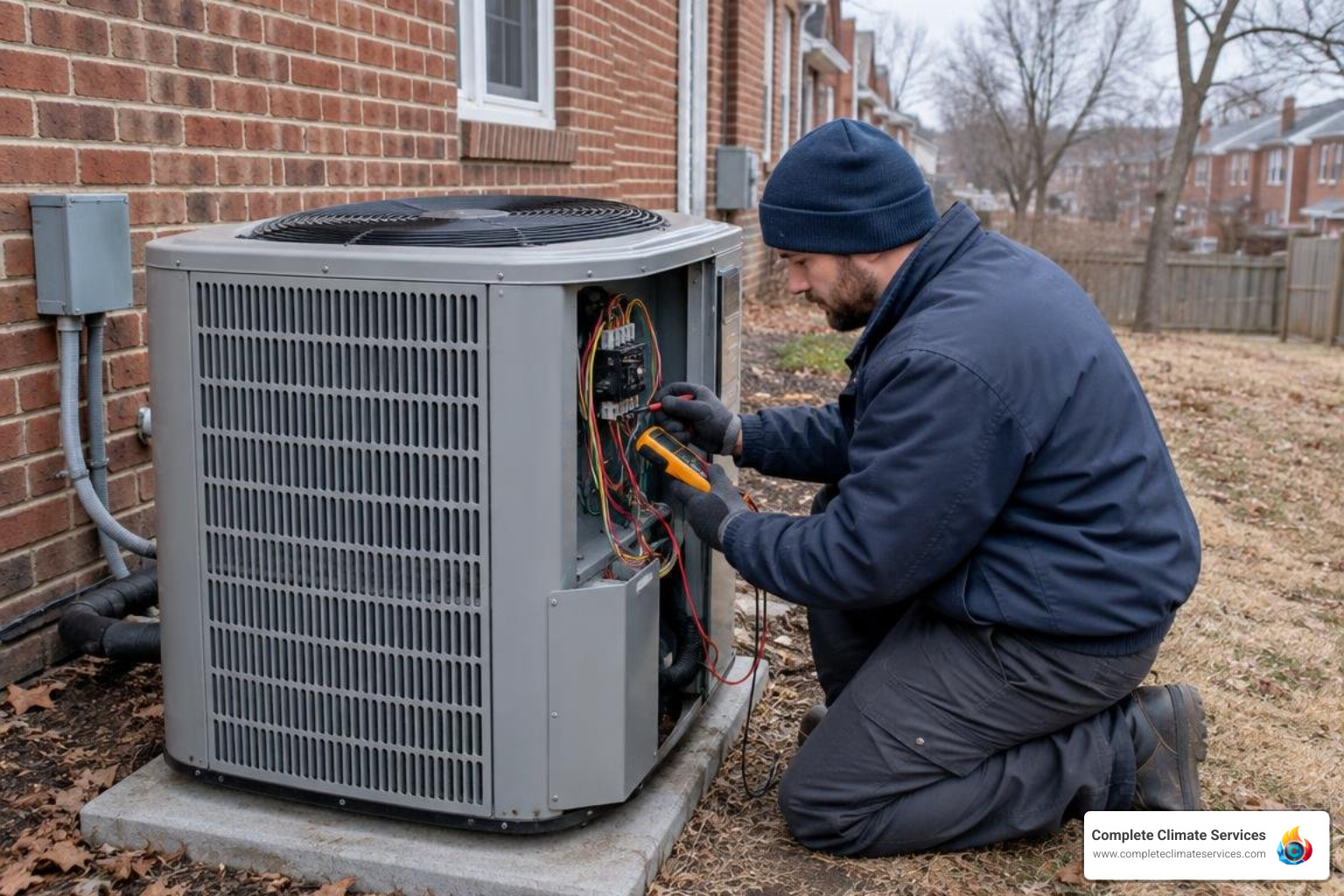
When you schedule professional heat pump repair, our technician follows a comprehensive diagnostic sequence on your heating equipment. We inspect internal electrical wiring, test running capacitors, and measure contactor voltage under actual electrical operating loads. The technician diagnoses refrigerant charge, checks sealed lines, and evaluates reversing valve operation during active heating mode. We also test the automated defrost control board, inspect sensors, and verify static ductwork airflow pressures.
Our technician tests thermostat wiring continuity to ensure precise temperature communication across your entire residential heating system. After completing technical diagnostic tests, we provide a clear written explanation of the underlying mechanical problem. You receive upfront pricing for required work before any physical repair begins on your home equipment. This transparent diagnostic process ensures you understand every necessary repair step and approve all associated work.
A Recent Service Call in Ellicott City
During a Baltimore-area winter, heavy ice that stays on an outdoor unit rather than clearing normally deserves prompt attention. An Ellicott City family noticed heavy ice coating their outdoor unit that would not clear on its own.
Our technician found a stuck defrost control and a low refrigerant charge. After the repair, the coil cleared completely and the system resumed normal heating. Heavy ice that does not clear is a reason to call rather than wait for another heating cycle.
When a Heat Pump Problem Is an Emergency
Losing all indoor heating during freezing winter conditions creates serious household comfort and structural safety hazards for homeowners. Freezing indoor temperatures threaten domestic plumbing pipes and create uncomfortable living conditions for local families during storms. If you detect strong burning electrical smells or notice visible smoke, shut down electrical power immediately at breakers. Contact Complete Climate Services for rapid emergency HVAC service when severe winter storms knock out primary residential heat.
Emergency service calls frequently involve complete heating shutdowns, loud electrical buzzing, or continuously tripping circuit breakers during freezes. Delaying professional service can turn a minor electrical component failure into extensive whole system damage across expensive equipment. Our service team prioritizes complete no-heat calls during freezing weather because indoor temperatures drop rapidly without functioning heating. Prompt emergency repairs protect domestic water pipes, prevent costly property damage, and restore reliable indoor warmth for families.
Repair or Replace: How We Help You Decide
Deciding between repairing an older heating unit or investing in full equipment replacement requires careful professional evaluation. The EPA heat pump guidance says heat pumps require minimal maintenance but should be serviced by a professional technician at least once a year, and systems that are too large or too small can reduce efficiency. The ENERGY STAR replacement signs include frequent repairs with rising energy bills, rooms that are too hot or too cold, and a noisy system as reasons to consider replacing heating and cooling equipment. Upgrading to high efficiency inverter heat pumps can provide dependable winter comfort with less wasted energy.
Equipment age and overall mechanical condition strongly influence whether repair or replacement makes better financial sense. When aging units require major component repairs, purchasing modern heating equipment often proves much wiser. Modern heating systems deliver superior seasonal efficiency ratings and consistent indoor temperatures throughout winter months. Our technicians evaluate your current equipment thoroughly to help you choose the most practical heating solution.
Keeping Your Heat Pump Reliable All Winter
Preventive maintenance keeps your residential heating equipment operating efficiently throughout the coldest winter months of the year. Reviewing a seasonal winter heat pump checklist helps homeowners manage basic filter replacements and keep outdoor cabinets clear. Enrolling in professional maintenance plans provides comprehensive seasonal tune-ups, electrical connection tightening, and thorough coil cleaning. Routine professional maintenance prevents sudden mid-winter breakdowns and protects vital compressor components against premature mechanical failure.
A well-maintained heat pump operates smoothly, maintaining steady heating performance while keeping winter energy bills manageable for families. Clean outdoor coils, optimal refrigerant levels, and tight electrical terminals ensure dependable operation during freezing Maryland weather. Scheduling your comprehensive tune-up before severe winter weather arrives helps keep your household comfortable all season. Professional seasonal care extends total equipment service life and gives local families lasting winter heating confidence and security.
Frequently Asked Questions
Why is my heat pump blowing cool air in heating mode?
Your system may simply be running a temporary automated defrost cycle to clear outdoor frost accumulation. During this brief cycle, the reversing valve shifts temporarily while supplemental heat keeps indoor air comfortable. If cool air continues blowing for extended periods, a failed reversing valve or sensor requires professional service.
Is ice on my outdoor heat pump unit normal?
A light layer of frost along the outdoor coil surfaces is normal during winter heating operation. The unit periodically initiates an automatic defrost cycle to melt this frost accumulation without homeowner intervention. Thick, heavy ice that completely encases the outdoor cabinet indicates a mechanical malfunction requiring professional repair.
Should I switch to emergency heat while I wait for service?
Switching your thermostat to emergency heat mode activates electric resistance heat strips to warm your home. This setting keeps your family comfortable while you wait for a technician to diagnose the problem. Supplemental emergency heat consumes substantial electricity, so resolve the primary heating issue promptly with professional service.
Can I reset my heat pump myself?
You can safely reset your system by turning the main electrical breaker off and on. If the breaker immediately trips again, shut the system down to prevent severe electrical damage. Repeatedly resetting a tripping breaker without professional diagnostic testing creates serious hazards for your home electrical wiring.
How do I know whether to repair or replace my heat pump?
Consider replacement if your heating equipment requires repeated service calls and struggles to maintain indoor temperatures. Modern units offer superior heating capacity, quieter operation, and improved energy efficiency during cold winter months. A technician will evaluate equipment condition and guide you toward the most practical home comfort option.
Conclusion
Finding dependable heating support during cold weather protects your home comfort and peace of mind all winter. Complete Climate Services brings 20+ years of HVAC experience and 5.0 stars on Google to every visit. Our dedicated technicians resolve complex heating malfunctions quickly to keep local families warm throughout freezing winter months. When you need dependable heating support this winter, contact our team to schedule your professional service.
Written by Michael Holcomb, Co-Founder and Operations Manager, Complete Climate Services.
Complete Climate Services LLC · 204 S Chapel St, Baltimore, MD 21231 · (443) 898-4747

