To understand why heat pumps are sweeping the HVAC industry, it helps to look at basic thermodynamics. Traditional systems, like gas or oil furnaces, rely on combustion. They burn fuel to create heat. Electric baseboard heaters use resistance, passing electricity through high-resistance wires to create thermal energy.
A heat pump doesn’t create heat at all. Instead, it acts as a thermal transport vehicle.
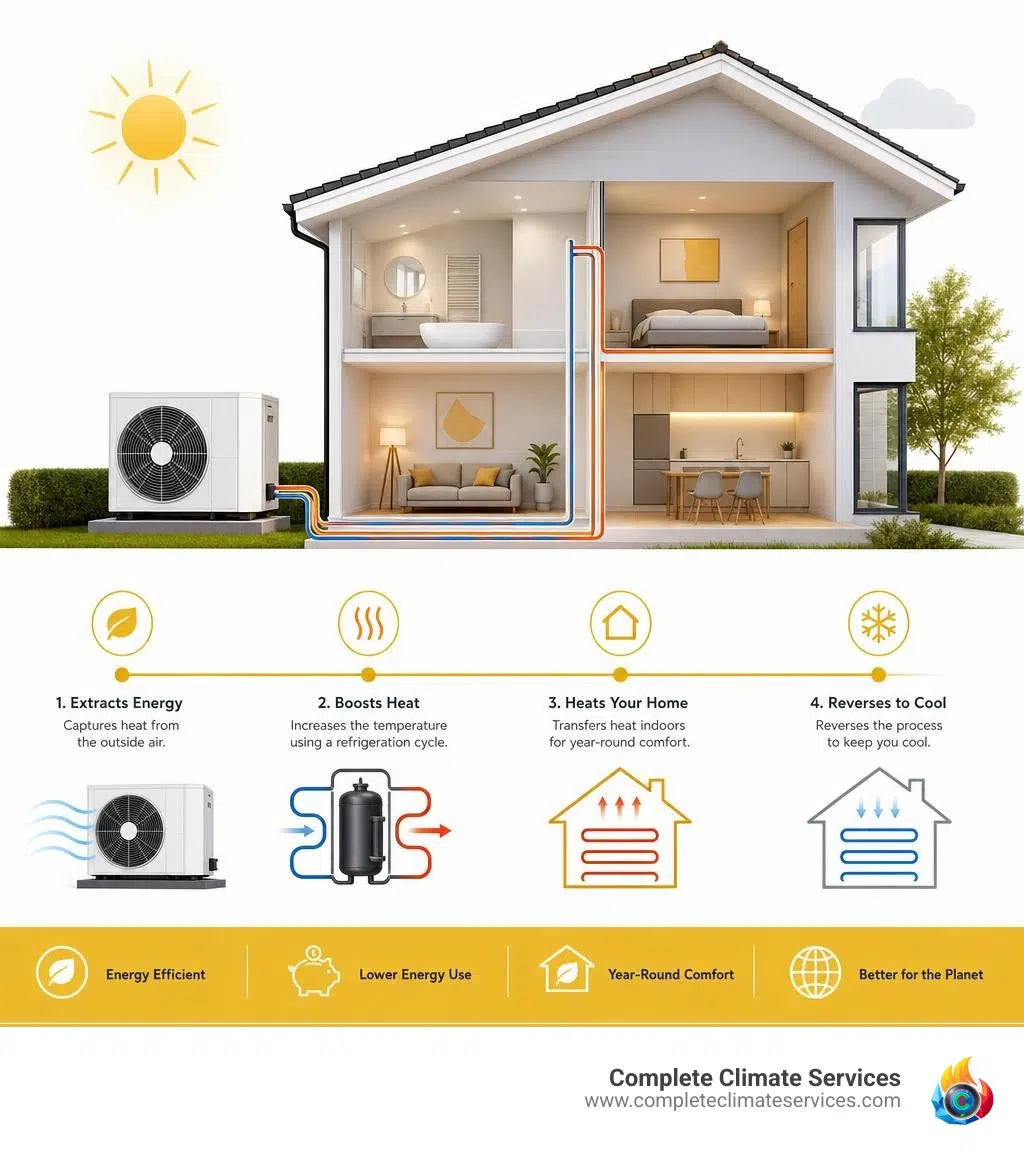
Using a closed refrigeration cycle, heat pumps capture thermal energy from outside ambient air, or from the ground, and pump it into your living space during the winter. In the summer, the process simply runs in reverse: the system absorbs heat from inside your home and dumps it outside. Because transferring thermal energy takes far less energy than creating it from scratch, heat pumps can deliver up to 4 kWh of heating output for every 1 kWh of electricity consumed.
The core mechanics depend on a few critical components working in unison:
- The compressor: The heart of the system, which compresses the low-pressure gas refrigerant into a hot, high-pressure vapor.
- The reversing valve: The mechanical component that flips the direction of refrigerant flow, allowing the system to switch seamlessly between heating and cooling modes.
- The evaporator and condenser coils: Heat exchangers where refrigerant transitions between liquid and gas states, either absorbing or releasing thermal energy.
- The expansion valve: Regulates the flow of liquid refrigerant into the outdoor coil, lowering its pressure and temperature so it can pick up outdoor heat.
- Low-GWP refrigerants: Modern systems are transitioning away from older R-410A refrigerants toward lower Global Warming Potential (GWP) options like R-454B and R-32 to meet global climate criteria.
This unique thermal transfer design is a major reason why homeowners are choosing heat pump systems to trim monthly utility expenses while modernizing their mechanical equipment.
Vapor-compression refrigeration cycle
The underlying engine of any heat pump is the vapor-compression cycle. During heating mode, cold liquid refrigerant flows through the outdoor evaporator coil. Even when outdoor ambient air feels freezing, such as 15°F, it still contains a substantial amount of thermal energy. In fact, outdoor air at 0°F retains roughly 85% of the thermal energy present at 70°F.
As outdoor air passes over the evaporator coil, the cold liquid refrigerant absorbs thermal energy and boils into a low-temperature gas. That gas travels into the compressor, which squeezes the molecules together, drastically elevating its temperature and pressure.
Next, the superheated gas passes through the indoor coil, now acting as the condenser. A blower fan pushes cool indoor air across the warm coil, warming the air to roughly 95°F to 105°F and circulating it through your home’s ductwork. As the refrigerant gives off its heat to your living room, it condenses back into a liquid, passes through the expansion valve to lower its temperature, and repeats the cycle.
Modern systems take this process even further using variable-speed technology. Older, traditional units were single-stage: they ran at 100% capacity or turned off completely, creating drafty temperature swings. Today, variable-speed inverter systems can automatically adjust compressor speed in tiny increments, delivering steady, comfortable temperatures while burning up to 30% less power per season.
Efficiency metrics: COP, SEER2, and HSPF2
Evaluating heating and cooling performance requires reading system efficiency labels. When reviewing equipment quotes, you will encounter three core metrics:
- Coefficient of Performance (COP): The steady-state metric for heating efficiency. COP measures the ratio of useful heat energy output to electrical energy input. Standard electric resistance heat has a COP of 1.0, or 100% efficient. A high-performance air-source heat pump typically operates at a COP between 2.0 and 4.5 depending on outdoor air temperatures, meaning it delivers 200% to 450% efficiency.
- SEER2 (Seasonal Energy Efficiency Ratio 2): Measures total cooling output over a typical cooling season divided by total electric energy input. Effective as of 2023, SEER2 accounts for real-world external static pressures on ductwork. Standard units start at 14.3 SEER2, while high-efficiency systems reach 20+ SEER2.
- HSPF2 (Heating Seasonal Performance Factor 2): Measures total heating output over a heating season relative to electricity consumed. A higher HSPF2 number indicates greater seasonal efficiency during cold months.
Understanding these ratings is essential when comparing mini-split efficiency to balance upfront equipment costs against long-term electricity savings.
Comparing Types of Heat Pumps for Modern Homes
Selecting the right heat pump style comes down to your home’s structural layout, current heating infrastructure, and property boundary.
| System Type | Ideal Use Case | Pros | Cons |
|---|---|---|---|
| Standard ducted air-source | Homes with existing central ductwork | Replaces AC and furnace; clean visual look | Efficiency drops in severe sub-zero cold |
| Cold-climate ducted air-source | Homes in freezing climates needing full capacity | Full heat output down to 5°F; highly efficient | Higher equipment cost upfront |
| Ductless mini-split | Older homes, additions, or homes without ducts | Room-by-room zone control; hyper-efficient | Visible indoor wall units |
| Geothermal (ground-source) | Large lots; long-term home stays | Unaffected by winter air temps; 50+ year loop life | Very high upfront installation cost |
Air-source vs. ground-source heat pumps
Air-source systems extract heat directly from outdoor ambient air. They are by far the most popular residential choice across Maryland and the Mid-Atlantic because they are affordable to install, compact, and fit easily into suburban neighborhoods.
Ground-source, or geothermal, systems transfer heat between your home and the earth via underground pipe loops filled with fluid. Just six feet underground, soil temperatures remain relatively constant, between 50°F and 55°F, year-round regardless of how cold the air gets above ground. Because the ground acts as a reliable heat source, geothermal systems maintain strong heating efficiencies, reaching 300% to 600% even on sub-zero winter nights.
However, geothermal requires extensive trenching or vertical drilling on your property. While ground loops last 50+ years and lower energy usage by 25% to 50% compared to air-source systems, their high upfront investment makes standard air-source heat pumps the top choice for most homeowners.
For most local homeowners, air-source units strike the optimal balance between price, comfort, and performance. That balance helps explain the surge in Maryland heat pump adoption, especially for homes that need dependable year-round heating and cooling.
Ducted vs. ductless mini-split systems
If your home already has a central network of supply and return air ducts, a ducted heat pump connects directly to your existing air handler or indoor furnace coil. It replaces your old central AC and provides whole-house heat through your existing registers.
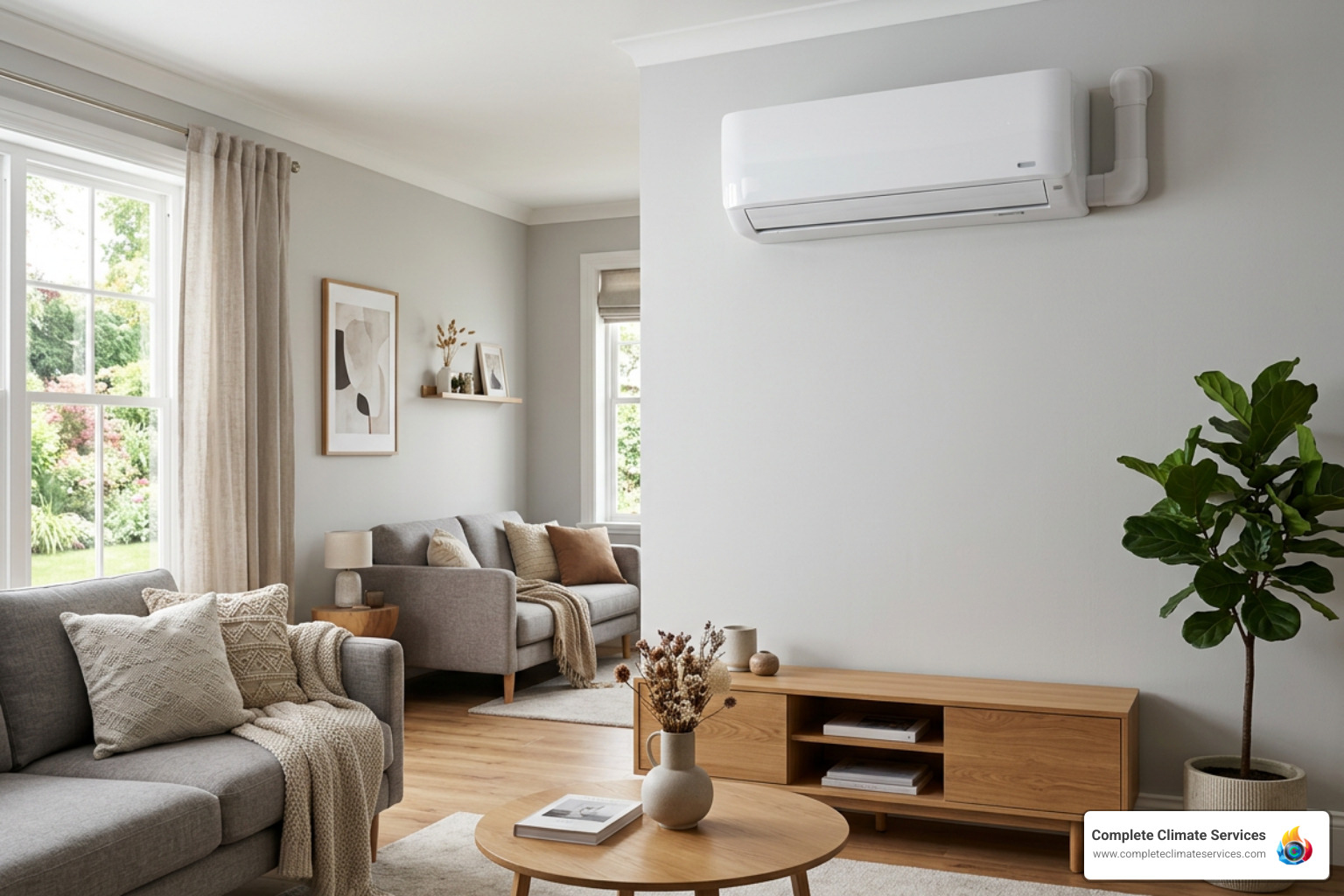
If your home lacks air ducts, common in historic Baltimore homes heated by hydronic radiators or baseboard units, a ductless mini-split system is ideal. Mini-splits use a thin line-set containing copper refrigerant lines and wiring passed through a small 3-inch hole in an exterior wall to connect an outdoor condenser to sleek indoor wall units.
Every indoor air handler operates independently, allowing for multi-zone climate control. You can set your bedroom to 68°F while leaving an unused guest room at 64°F, cutting energy waste. For homeowners comparing layout options, the basics of ductless mini-split systems can help clarify whether ductless zoning makes sense for your home.
When a home needs a full system replacement, Complete Climate Services can evaluate ducted, ductless, and dual-fuel options through its professional heat pump services. For homeowners who are still comparing HVAC solutions, the broader residential and commercial HVAC services page outlines related repair, installation, maintenance, and emergency service support.
Efficiency, Cold-Climate Capabilities, and Cost Analysis
A persistent myth from the 1980s claims that heat pumps don’t work when temperatures drop below freezing. While older single-stage units struggled when temperatures hit 30°F, modern cold-climate technology has eliminated this issue.
Equipped with variable-speed inverter-driven compressors and vapor-injection technology, contemporary cold-climate heat pumps deliver 100% heating capacity at 5°F and operate reliably in sub-zero temperatures as low as -15°F to -22°F.
On the financial side, navigating equipment pricing and incentive structures requires staying updated on regulatory changes:
- 2026 federal tax credit updates: The federal Section 25C tax credit was officially terminated as of December 31, 2025, under the One Big Beautiful Bill Act (OBBBA). Federal tax credits are no longer available for 2026 installations.
- State HEAR rebates: The High-Efficiency Electric Home Rebate (HEAR) program provides point-of-sale rebates for qualifying low- and moderate-income households upgrading to electric heat pumps.
- Local utility incentives: Regional electric utilities offer varying rebates depending on system efficiency ratings, including SEER2 and HSPF2.
The total cost of a heat pump installation is influenced by several factors:
- Home square footage and heating load requirements, also called tonnage
- Selected efficiency ratings, including SEER2 and HSPF2 performance levels
- Necessary electrical panel upgrades, such as moving from older service to higher-capacity service
- Duct repair, modification, or static pressure remediation
- Selection between standard air-source, cold-climate, or ductless mini-split hardware
Understanding these variables helps prevent surprise installation expenses and ensures you avoid heat pump utility bill shock down the line.
Heat pump vs. gas furnace performance
When comparing an electric heat pump to a traditional gas furnace, the operational math comes down to your local electricity-to-gas rate ratio.
Gas furnaces top out at roughly 96% to 98% AFUE efficiency because fuel combustion inherently loses heat through exhaust venting. Heat pumps operate at 200% to 400% efficiency by moving pre-existing energy.
Beyond pure fuel efficiency, heat pumps lower household carbon footprints by roughly 40% compared to gas furnaces and improve indoor air quality by removing natural gas combustion, and potential carbon monoxide risks, from inside your home.
In areas with severe winter cold snaps or high electric utility rates, many homeowners install dual-fuel hybrid systems. In a dual-fuel configuration, an electric heat pump handles heating during mild and moderately cold weather, down to roughly 30°F or 35°F. When outdoor temperatures plunge lower, the system automatically switches over to a backup gas furnace to deliver rapid heat output without overworking the electric system.
If your current heating setup is failing, knowing when furnace replacement makes sense can help you decide whether a dual-fuel setup or an all-electric transition is right for your home.
Sizing, static pressure, and professional installation
Building science research reveals that between 70% and 90% of residential heat pump installations suffer from installation defects, most often stemming from improper equipment sizing or restricted ductwork.
A successful heat pump installation requires three critical technical steps:
- Manual J load calculation: Never accept a contractor quote based on rule-of-thumb square footage estimates. A Manual J calculation factors in wall insulation levels, window orientation, ceiling heights, and air leakage rates to determine your home’s exact heating and cooling load requirements.
- Total external static pressure (TESP) assessment: Heat pumps move a higher volume of air at slightly lower temperatures, around 95°F to 105°F, compared to high-heat gas furnaces, around 120°F to 140°F. Your installer must check duct static pressure to confirm your existing ductwork can support the required airflow without choking the system.
- Upgraded air filtration: Standard 1-inch fiberglass furnace filters restrict airflow and increase static pressure, leading to lower operating efficiency and coil freezing. Installing a 4-inch or 5-inch thick media filter cabinet keeps air moving freely while protecting internal coils.
Following these heat pump installation best practices ensures your unit runs at peak performance for years to come.
Frequently Asked Questions About Heat Pumps
Can heat pumps work effectively in freezing cold climates?
Yes. Modern cold-climate heat pumps use variable-speed inverter compressors and specialized electronic expansion devices to extract usable thermal energy from outdoor air at temperatures down to -15°F and below.
Additionally, modern systems feature intelligent demand-defrost controls. Instead of running inefficient defrost cycles on a rigid timer, demand-defrost sensors only activate to melt frost off outdoor coils when actual ice build-up is detected, maintaining continuous indoor comfort. Reviewing advice on preparing heat pumps for winter weather helps ensure your system stays winter-ready.
How long do heat pumps last and what maintenance do they require?
With proper annual care, a high-quality heat pump lasts between 12 and 15 years. Geothermal indoor units can last 20+ years. Because heat pumps handle both heating in winter and cooling in summer, they operate year-round, making maintenance essential.
Routine maintenance should include:
- Replacing or cleaning air filters every 1 to 3 months.
- Keeping the outdoor condensing unit clear of leaves, snow, grass clippings, and debris to maintain airflow.
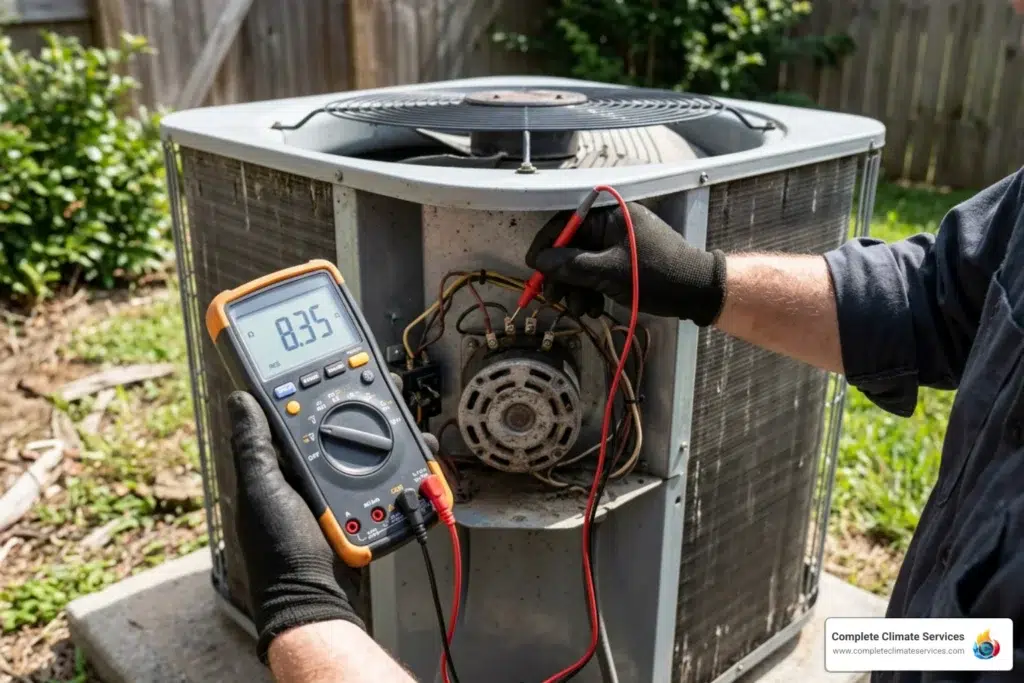
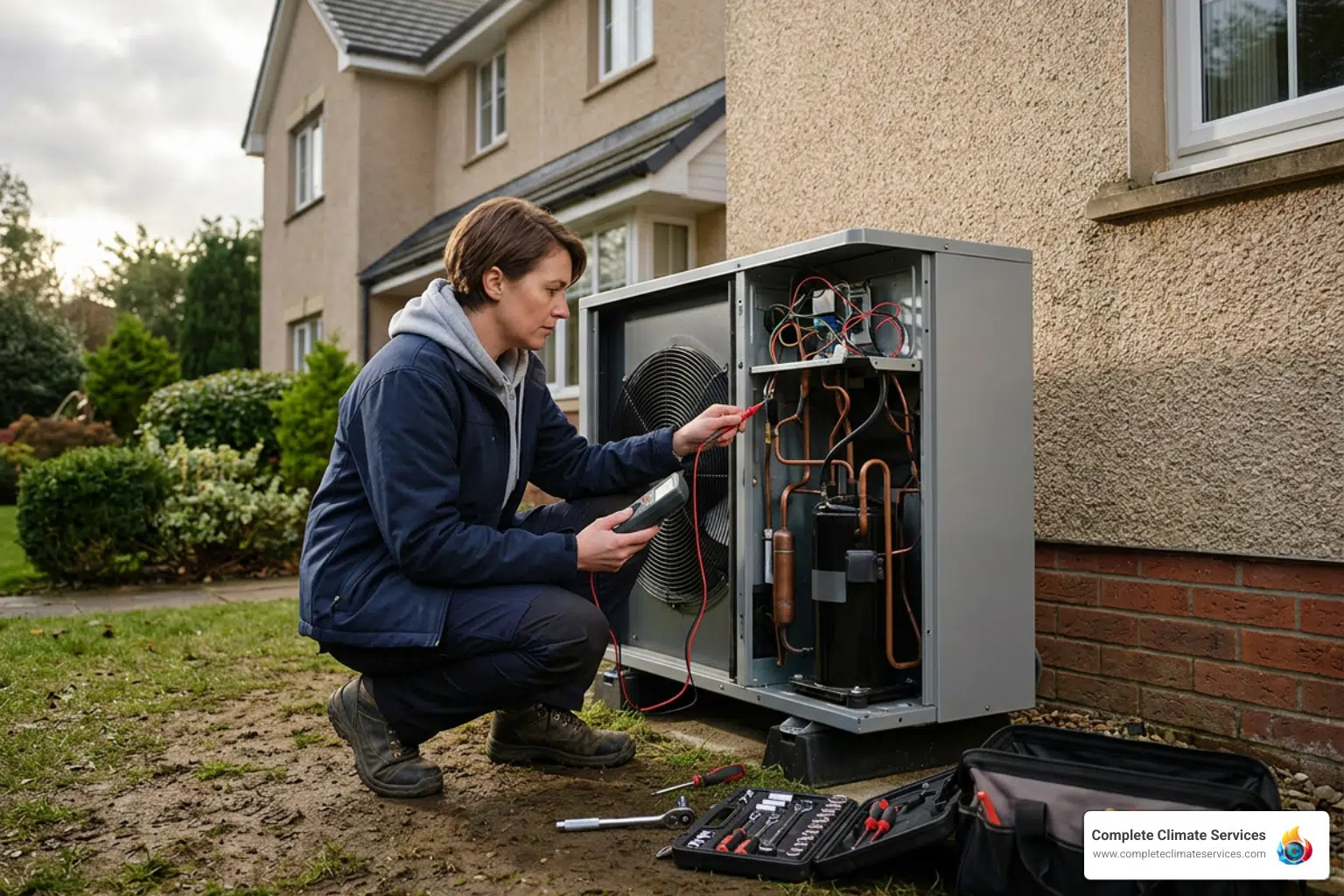
- Scheduling annual professional inspections to check refrigerant charges, clean evaporator and condenser coils, inspect electrical contacts, and clear condensate drainage lines.
Recognizing the top signs a heat pump needs repair early, such as unusual grinding noises, constant short-cycling, or ice build-up, can prevent minor issues from turning into costly system failures.
What environmental benefits do heat pumps offer?
Switching from a fossil-fuel furnace to an electric heat pump cuts average household heating carbon emissions by approximately 40%. Across the U.S., roughly 98% of homes reduce their overall carbon footprint by installing a heat pump.
As the regional electrical grid incorporates more renewable sources like solar and wind power, an installed heat pump automatically becomes cleaner over time. Furthermore, eliminating gas combustion removes indoor pollutants like nitrogen dioxide (NO2) and carbon monoxide from your living spaces.
Conclusion
Upgrading your HVAC system is one of the most important investments you will make in your home. The transition toward whole-home electrification is accelerating rapidly, and heat pumps offer an efficient, flexible way to keep your living space comfortable year-round.
Navigating equipment sizing, duct static pressures, cold-climate performance ratings, and rebate paperwork requires working with an experienced HVAC professional who understands the specific heating and cooling demands of the Baltimore region.
At Complete Climate Services, our team brings over 20 years of honest, reliable HVAC experience to every project. Serving homeowners across Baltimore, Catonsville, Columbia, Ellicott City, Towson, and surrounding areas, our 5.0-star rated team takes the guesswork out of HVAC replacement. From accurate Manual J heat load calculations to seamless equipment installation, we ensure your heat pump operates at peak efficiency from day one.
Ready to explore the best heating and cooling solutions for your home? Contact our professional heat pump technicians today to schedule your home consultation.