
Why Your Furnace Gas Valve in Baltimore Is Critical for Winter Comfort
When the freezing Maryland winter hits, ensuring you have a properly functioning furnace gas valve in Baltimore is the key to keeping your home warm and safe.
If your heating system is acting up, here is a quick overview of what you need to know right now:
- Average Cost: Professional gas valve replacement varies based on the furnace brand, part availability, access to the unit, and the diagnostic work required.
- Time Required: A standard replacement is often completed in a single service visit, though it can take longer if your furnace is hard to access.
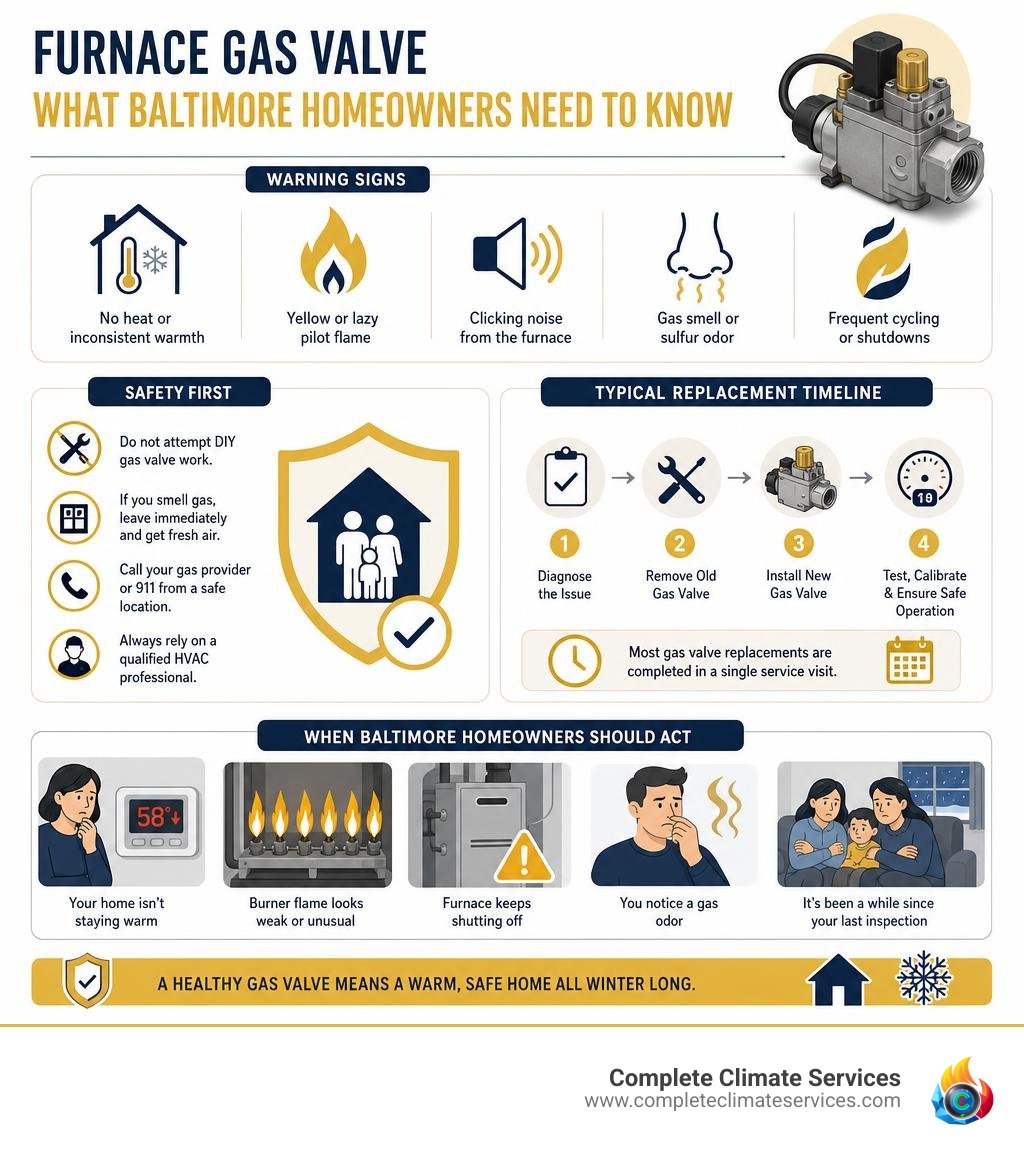
- Safety Hazard: Do not attempt a DIY replacement. Working with gas lines requires specialized tools, professional calibration, and a combustion analysis to prevent dangerous leaks and carbon monoxide exposure.
The gas valve is the gateway for fuel in your heating system. It acts like a highly precise faucet, opening and closing to send the exact amount of gas to your burners when your thermostat calls for heat.
When this valve fails, your home can go cold in an instant. Even worse, a valve that sticks open or leaks poses a major safety risk to your family and property.
At Complete Climate Services, our HVAC team has helped hundreds of local homeowners safely navigate the diagnostics, repair, and replacement process for a furnace gas valve in Baltimore.
In this guide, our team will break down the warning signs, repair considerations, and local safety rules you need to know to keep your family warm and secure.
Understanding Furnace Gas Valve Replacement in Baltimore
If your furnace has stopped blowing warm air, or if a technician recently diagnosed a faulty gas valve, your very first question is probably: What happens next?
In Baltimore and surrounding areas like Towson, Catonsville, and Ellicott City, the final recommendation depends on the specific brand of your furnace, the accessibility of the unit, and whether the valve failure is connected to other ignition or safety issues.
Key factors include:
- The part required: Brand-specific OEM parts and specialized valves can be harder to source than universal options.
- Labor and diagnostics: A licensed HVAC technician must confirm the valve is the true problem, safely shut down the system, replace the assembly, and test operation.
- System access: Tight crawlspaces, low-clearance attics, and older basement utility areas can add time to the job.
Gas valves are highly technical safety mechanisms. Unlike a simple fan belt, a gas valve cannot legally or safely be repaired internally by anyone other than the original manufacturer. If a valve fails, the entire assembly must be replaced.
Understanding these variables can help you prepare for common winter furnace repairs and avoid surprises when an HVAC technician arrives at your door.
Factors That Influence Gas Valve Selection
Why does one furnace need a straightforward valve replacement while another requires a more specialized part? It usually comes down to the difference between OEM parts and universal parts, as well as the complexity of your heating system.
| Gas Valve Type / Brand | Typical Fit | Key Features & Compatibility |
|---|---|---|
| Goodman OEM gas valve | Goodman, Amana, and related furnace models | Standard 24V operation with common connection sizes for compatible gas furnaces. |
| Trane J-Series gas valve | Select Trane and American Standard models | Slow-opening design that supports smoother ignition and controlled gas flow. |
| Nordyne HSI gas valve | Select manufactured-home and HSI furnace systems | Designed for hot surface ignition and may include brackets or flanges for proper fit. |
| Universal replacement valve | Multiple furnace brands when approved for the model | Can work across several systems but may require wiring, mounting, or setup adjustments. |
As you can see, brand-specific engineering plays a huge role. The correct valve must match the furnace model, fuel type, ignition system, and manufacturer requirements.
Additionally, if your home has a two-stage or modulating furnace, the gas valve must match the blower-motor type. These advanced valves regulate fuel flow dynamically rather than just turning completely on or completely off, which makes professional selection and calibration especially important.
Signs of Gas Valve Failure and the Repair vs. Replace Decision
How do you know if your gas valve is actually the problem, or if you are dealing with a different ignition issue? Furnaces are complex machines, and a failure in one area often mimics a failure in another.
Here are the most common signs that your furnace gas valve in Baltimore is failing:
- Yellow or Inconsistent Flames: A healthy burner flame should be a crisp, steady blue. If you notice a lazy, flickering yellow flame, your gas valve may not be regulating the manifold pressure correctly, leading to incomplete combustion.
- Chattering or Clicking Noises: When your thermostat calls for heat, you might hear a rapid chattering or clicking sound from the furnace. This usually means the valve’s internal solenoid coils are struggling to open the diaphragm.
- The Furnace Won’t Turn On: If your igniter glows hot but no flame appears, the gas valve may be failing to open and release fuel.
If the issue turns out to be part of a broader heating problem, Complete Climate Services can help with professional furnace repair services that address the full system instead of only the valve.
For homeowners comparing symptoms before a service call, our blog explains common reasons for furnace ignition failure and what those warning signs may mean for a gas furnace.
Signs You Need a New Furnace Gas Valve Baltimore Experts Watch For
While a valve that refuses to open will leave you shivering, a valve that sticks open is an absolute emergency.
If a gas valve sticks shut, your system safely shuts down because the flame sensor detects a lack of fire. However, if a valve sticks open, gas can continue to pour into your heat exchanger even after the burners have shut off or the blower fan stops. This can lead to a dangerous buildup of natural gas, posing an immediate explosion, fire, or carbon monoxide hazard.
If you smell a sulfur-like rotten egg odor near your utility room, do not attempt to investigate. Immediately leave the house and call for professional emergency assistance.
Evaluating an Older Furnace: When to Upgrade
If your furnace is aging and needs a significant repair, replacing the gas valve may not always be the smartest long-term move.
Older systems are far less energy-efficient than modern units. Furthermore, an aging furnace is much more likely to develop critical safety issues, such as a cracked heat exchanger. When a heat exchanger cracks, dangerous carbon monoxide can leak directly into your home’s breathing air.
If repair is still the right choice, our team can help keep your system dependable through professional furnace services tailored to Baltimore-area homes.
When you are weighing repairs against replacement, it also helps to understand the benefits of timely furnace repairs so you can make a safer, more cost-conscious decision before the next cold snap.
Safety, Codes, and Professional Installation Requirements
We cannot stress this enough: gas valve replacement is not a DIY project.
Working with natural gas or liquid propane (LP) requires extreme precision. A fraction of an inch of water column pressure in either direction can mean the difference between a highly efficient furnace and a hazardous soot-producing fire hazard.
Why DIY Is Dangerous: Hiring a Professional for Your Furnace Gas Valve Baltimore Project
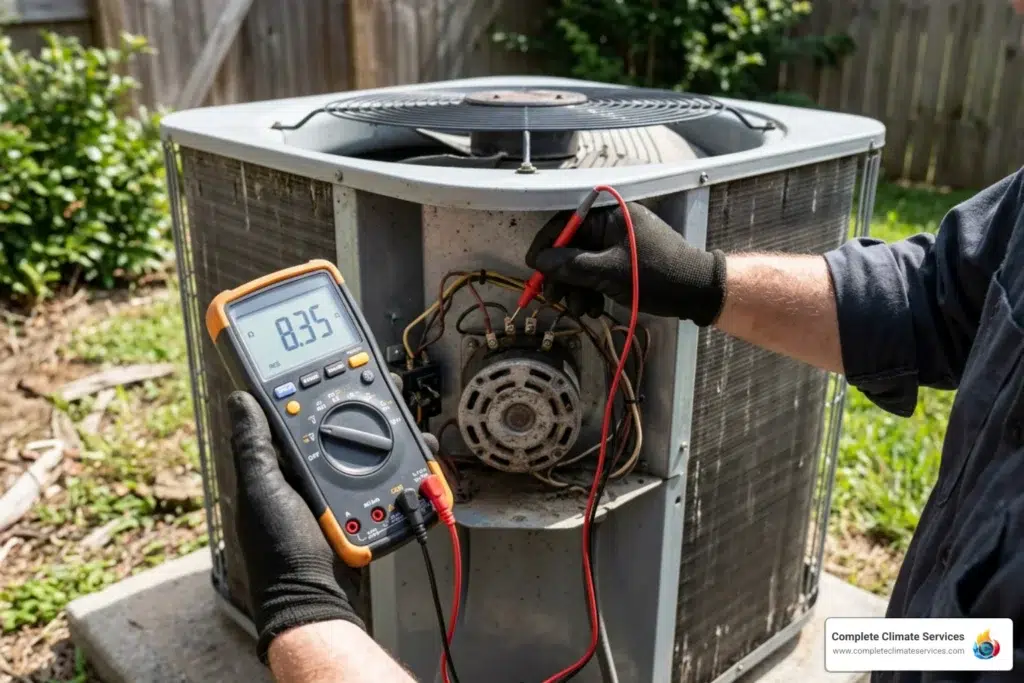
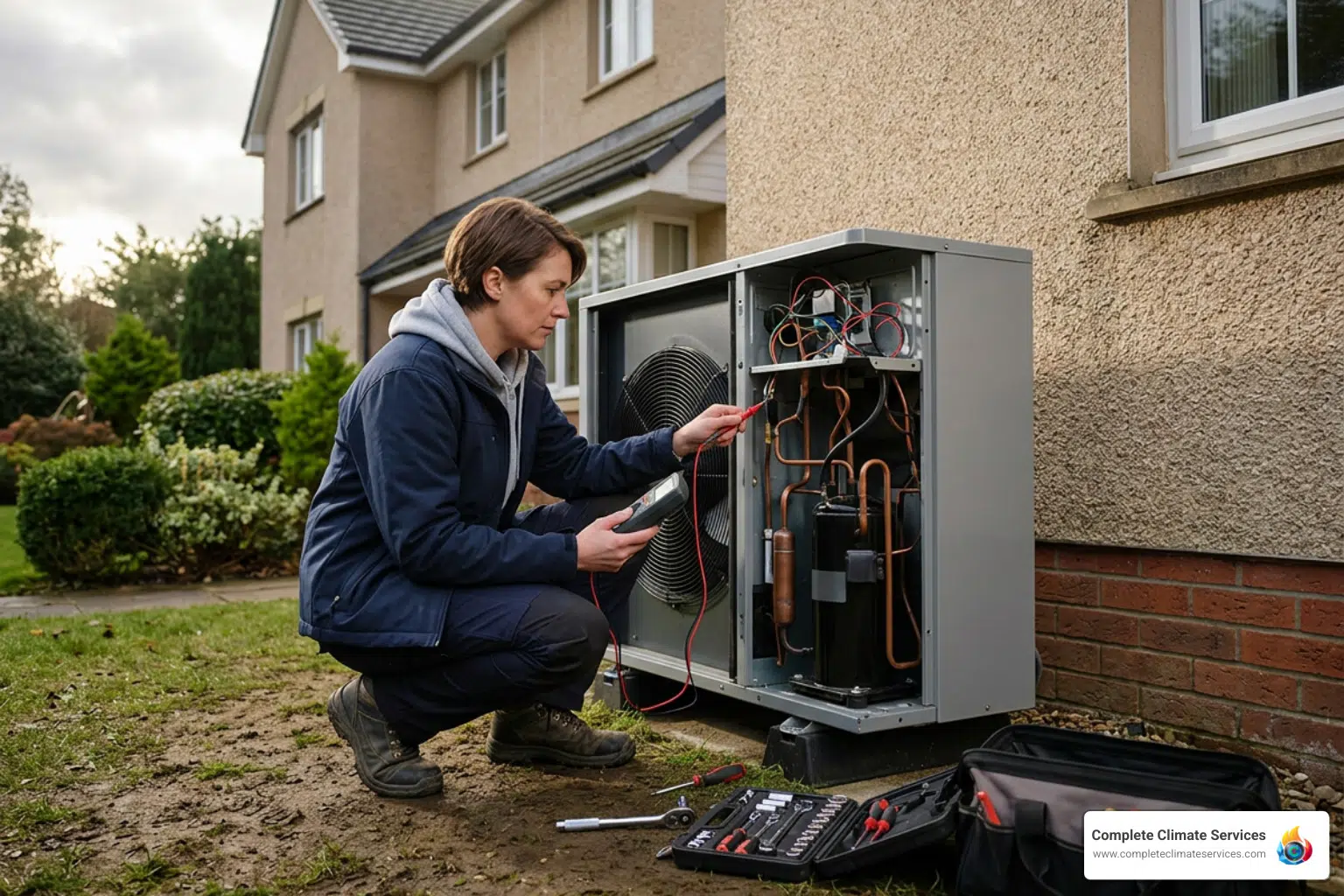
When our certified technicians install a new gas valve, we do not just screw the new part in and turn on the gas. The installation process requires specialized tools and strict calibration steps:
- Manometer Calibration: We connect a digital manometer to measure the manifold gas pressure and calibrate the system to the manufacturer’s specifications.
- Combustion Analysis: After installation, we perform a professional combustion analysis to measure carbon monoxide levels, oxygen levels, and overall flue efficiency.
- Leak Testing: Every joint and connection is tested with specialized electronic gas leak detectors or high-viscosity leak solution.
Attempting to replace this part yourself without these tools not only risks your physical safety but will also instantly void your manufacturer’s warranty.
Baltimore Building Codes and Permit Requirements
In Maryland, working on gas piping and gas-fired appliances requires specific licensing and qualifications. The Maryland Board of Heating, Ventilation, Air Conditioning, and Refrigeration (HVACR) Contractors regulates who can legally perform these repairs.
Municipal codes across Baltimore City, Baltimore County, Anne Arundel County, and Howard County require that any major gas line modification or appliance installation be completed by a licensed master HVACR technician or licensed gas fitter. This ensures that all work complies with the National Fuel Gas Code (NFPA 54), protecting your family and keeping your homeowner’s insurance policy valid.
Frequently Asked Questions about Furnace Gas Valves
Here are some of the most common questions we hear from homeowners in Baltimore, Columbia, Glen Burnie, and surrounding areas.
How long does a typical furnace gas valve replacement take?
A standard furnace gas valve replacement is often completed in a single service visit. However, this timeline can stretch longer if your furnace is located in a hard-to-reach area, such as a tight crawlspace, a low-ceiling attic, or an old basement utility closet.
What should I do if my gas valve sticks intermittently?
If your furnace fails to turn on, and a light tap on the side of the gas valve body gets it running again, do not rely on this as a fix.
A sticking valve is a clear warning sign of internal mechanical wear. If it is sticking shut today, it could easily stick open tomorrow, creating a severe fire hazard. Turn off your heating system and schedule immediate service.
How can I find a reputable HVAC contractor in Baltimore?
When searching for an HVAC company to handle your gas lines, look for the following credentials:
- Active Maryland licensing.
- NATE certification.
- Consistent 5-star customer reviews across independent platforms.
- A clear, written estimate before any work begins.
A qualified local contractor should be able to explain the diagnosis, confirm the required part, and complete gas-valve safety testing before returning your system to normal operation.
Conclusion
At Complete Climate Services, we have spent over 20 years providing honest, reliable, and 5.0-star rated heating and cooling solutions to our neighbors throughout Baltimore, Dundalk, Towson, Owings Mills, and beyond.
Your safety is our absolute number one priority. If you suspect your furnace gas valve is acting up, or if you simply want to ensure your heating system is ready to handle the upcoming winter weather, do not wait for an emergency.
Contact our professional furnace specialists today, and let our friendly, certified team keep your home safe, warm, and comfortable all winter long!