
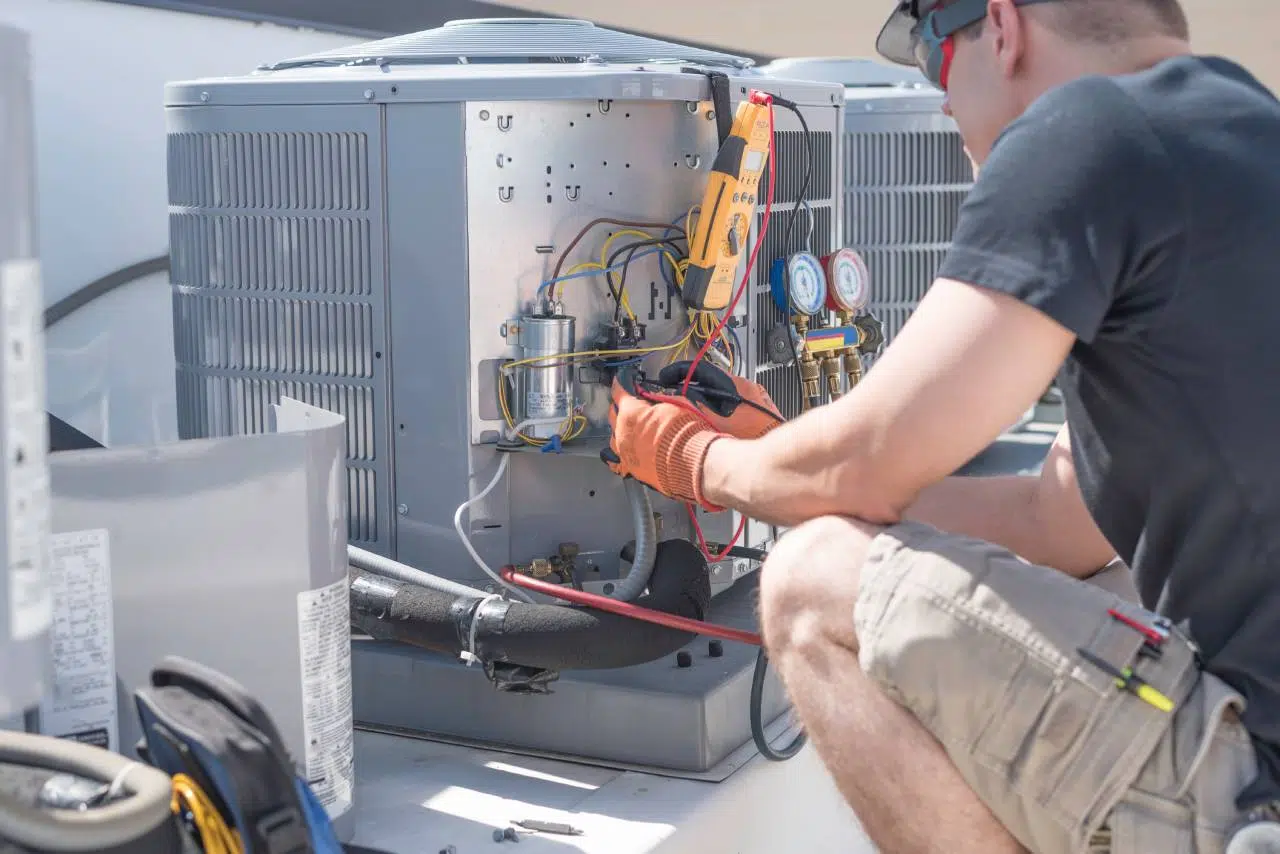
Your home’s heating and cooling systems likely function so well most of the time that you don’t even notice them. However, many different types of issues can unexpectedly arise in these types of equipment.
Keeping an eye out for the following signs of trouble and knowing when to reach out for emergency HVAC services can help you better protect your home:
Sudden Loss of Heating or Cooling
While many HVAC systems will suffer a steady decline before failing, there is always a chance that something could cause your heating or cooling to stop suddenly. In many cases, a sharp cutoff in your cooling or heating is due to a safety feature being triggered, and that likely means some important part of the system isn’t working properly.
However, it can also be a sign of more serious damage that could require replacing your system. If that happens to your devices during inclement weather, you’re in a truly urgent crisis. Don’t hesitate to reach out and schedule HVAC emergency services as soon as possible.
Strange Noises or Smells
Heating systems such as furnaces, air conditioners, and heat pumps all generate some level of noise, but it is typically very uniform and predictable. If you notice your system making new or much louder noises, they could be coming from a serious mechanical failure. It’s best to seek HVAC emergency repairs before any further damage can be done.
Strange smells are also a cause for concern. If your home uses gas heating and you notice the smell of gas, you should exit your home and call emergency first responders immediately, as that could be a sign of a leak. Other smells, such as a musty odor or lingering burning smell, can be signs of damage to your HVAC system and are well worth having a professional take a look at.
Reduced Airflow or Short Cycling
Sometimes, HVAC systems won’t quit altogether and will instead develop sudden performance issues. A faulty system can deliver insufficient airflow to properly heat or cool your home. You might also notice short cycling, where the system turns on and off rapidly instead of running and resting for longer periods.
These are all cases in which you’ll need emergency HVAC repairs, as there is a significant chance that a complete failure is soon to follow.
Electrical Issues
Electrical issues are a serious hazard that can lead to fires and other hazards. Over 32,000 home heating fires occur annually in the U.S., so these risks shouldn’t be ignored. If you notice signs such as your system tripping breakers, flickering lights, or the smell of burning wires, you should call in for emergency HVAC repair right away to ensure the safety of your home.
Reach Out for Emergency HVAC Services
If you’ve noticed any of these signs or are in any other kind of urgent situation regarding your home’s heating or cooling, don’t hesitate to reach out to Complete Climate Services. We’ll provide a rapid response and can carry out the repairs or emergency replacements necessary to keep your home comfortable and safe. Contact us now for emergency HVAC services.
Frequently Asked Questions
What signs indicate I need emergency HVAC services?
Signs include unusual noises, temperature fluctuations, and unexpected utility bills.
How quickly should I schedule an emergency HVAC appointment?
You should schedule an appointment as soon as you notice any concerning signs to prevent further damage.
Can I attempt to fix HVAC issues myself?
While some minor issues can be checked, it’s advisable to call a professional for any significant problems.
What can I do to prevent HVAC emergencies?
Regular maintenance checks and timely repairs can help prevent emergencies.
How often should I have my HVAC system serviced?
It’s recommended to have your HVAC system serviced at least once a year.
What should I do if my HVAC system stops working?
Turn off the system, check the breaker, and call a professional if the problem persists.

