
Mini-split heating systems are becoming more popular for homeowners looking for flexible and energy-efficient comfort. Their compact size, quiet operation, and independent room control make them a great fit for homes that need extra temperature support in hard-to-heat areas. These systems work well in small apartments, single-room additions, basements, and garages that aren’t connected to central HVAC systems.
Even though these systems are low-maintenance compared to larger heating setups, they still need regular attention to keep running smoothly. With cooler months approaching in Maryland, it’s a good time to make sure your system is ready to perform when you need it most. Whether it’s your first time using a mini-split or you’ve had one for years, taking proper care of it will go a long way toward keeping your space warm without unexpected breakdowns.
Understanding Your Mini-Split Heating System
A mini-split heating system is a ductless unit that provides both heating and cooling for individual rooms. It includes two main parts: an indoor air-handling unit and an outdoor compressor. These two components are connected by a small conduit which carries the power line, refrigerant tubing, and a condensate drain line. The design allows for targeted temperature control without needing ductwork, making it ideal for older homes, additions, or any space where duct installation isn’t practical.
One big advantage of a mini-split system is its ability to heat or cool only the rooms you are using. This zoning control helps reduce energy use and gives each space its own temperature setting, which is handy for families with different comfort needs. The systems are also quieter and generally require less installation time than traditional HVAC setups.
For example, if your home office in the attic gets too cold during fall and winter, adding a mini-split can keep that space cozy without turning up the heat in the rest of the house. It’s this combination of control, efficiency, and convenience that draws homeowners to these systems.
Routine Maintenance Tips
To keep your mini-split heating system running at its best, basic maintenance should become part of your regular routine. Here are a few key things you’ll want to stay on top of:
1. Clean the filters. Dust and debris clogging the air filters can reduce performance. Most manufacturers suggest cleaning the filters every month during heavy use. It’s often as simple as removing the cover and rinsing the filters with warm water.
2. Wipe down indoor unit vents. The vents can collect dust that might restrict airflow. Wipe them down with a soft dry cloth or lightly damp microfiber cloth. You don’t need cleaners.
3. Clear the space around the outdoor unit. Make sure leaves, branches, or other yard debris aren’t blocking airflow. Keep about two feet clear on all sides, and inspect the area after a storm or heavy winds.
4. Check for odd sounds or smells. If your mini-split starts making buzzing sounds or you notice musty odors, those could be signs of a problem. Make a note and bring it up during your next scheduled service.
5. Inspect refrigerant lines. While you won’t be handling refrigerant yourself, you can still check for obvious signs of damage, such as worn insulation, rust, or cracks. If something doesn’t look right, call a technician.
These quick tasks help prevent small problems from growing into bigger, more expensive breakdowns. Regular upkeep is a smart way to protect your mini-split and stay warm all winter.
Seasonal Preparations
As cooler temperatures approach, it’s important to get your mini-split ready for the season. Preparing your system for winter ahead of time can help you avoid unexpected issues and stay comfortable when you need heat the most.
Start by turning on the heat mode to make sure everything is working. Give it time to run and take note of the air temperature and any strange sounds. If something seems off, make plans to address it before cold weather sets in.
Look around your home to improve its overall energy use. Seal up drafts with weatherstripping or caulking around windows and doors. This reduces strain on your heating system and helps you stay warm with less energy.
It’s also a good idea to check the condition of your insulation. Well-insulated walls, ceilings, and attics help keep warm air inside, which means your mini-split won’t have to run as often or as hard.
Keep an eye on outdoor conditions too. If your outdoor unit gets buried in snow or iced over, its airflow can be restricted. Brush off snow gently with a broom and clear any ice build-up. You may want to place a cover on top of the outdoor unit for days when it’s not running to help protect it, but make sure it’s breathable to avoid trapping moisture.
Small actions now can help ensure your system runs at its best throughout the long Maryland winter.
Troubleshooting Common Issues
Even with the best routine and seasonal care, sometimes problems just pop up. Knowing what to look for can help you act fast and avoid a total breakdown.
Uneven heating is something many homeowners experience. If one room is warm and another isn’t, check the direction of airflow from each unit. Make sure the louvers are pointed in a way that helps distribute warm air where it’s needed. Some remotes allow you to set fan direction or swing to improve reach.
Strange noises can also be a sign something’s wrong. A light whooshing sound is normal during operation, but buzzing, clicking, or hissing noises are not. These may be caused by loose parts, debris, or refrigerant issues. Skip the guesswork and schedule a professional to troubleshoot them properly.
If your system isn’t heating at all, make sure the filters are clean and no settings were changed by mistake. If nothing seems wrong, it could be low refrigerant or an internal failure. That’s when it’s best to stop using it and call in an expert.
When in doubt, let a trained technician figure it out. Catching these problems early helps you avoid being stuck without heat on the coldest nights.
Professional Servicing
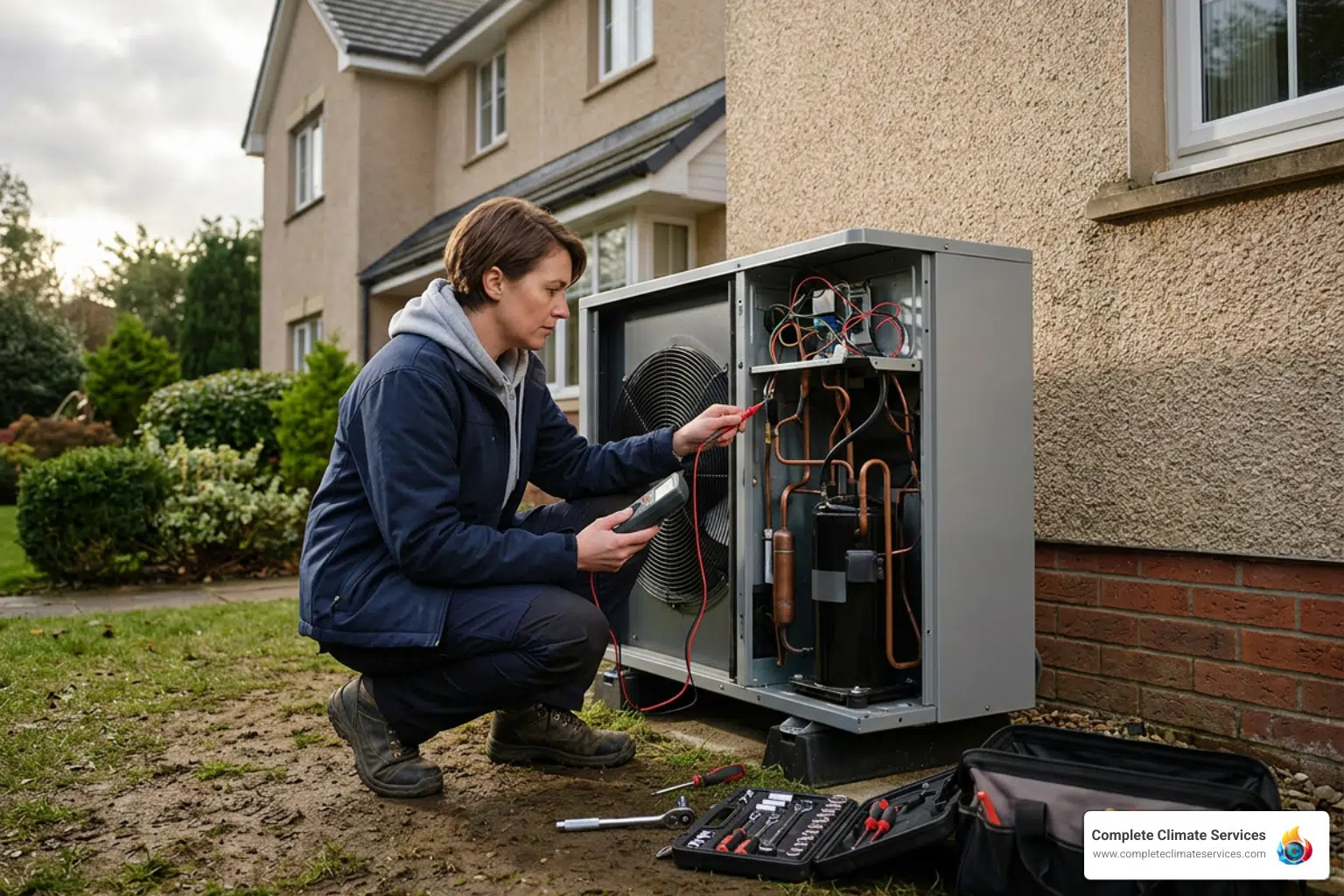
While regular cleaning on your part keeps things running day to day, professional service gives your mini-split a deeper inspection. A technician can spot emerging issues and handle maintenance tasks that require expert tools and training.
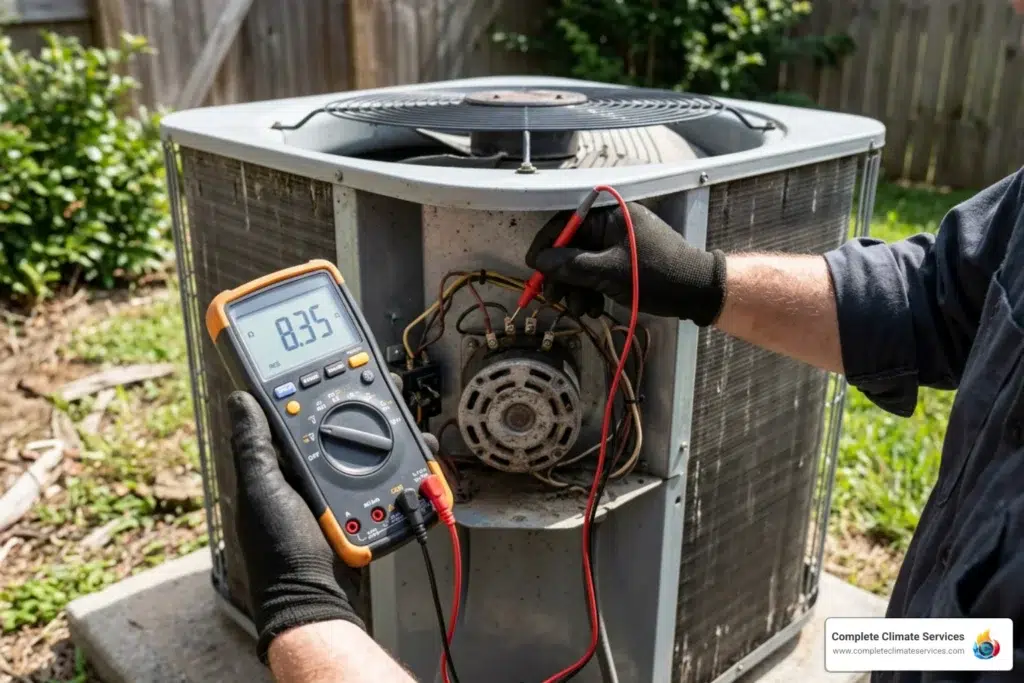
Annual service visits are a good idea, especially at the start or end of peak heating season. During a checkup, a professional will clean internal coils, inspect refrigerant levels, and test electrical components like wiring and contactors.
One key benefit is thermostat calibration. If your thermostat isn’t reading the room temperature correctly, your unit may cycle on and off too often, eating up energy. A technician will fix this during a tune-up.
They’ll also ensure nothing is overworked, loose, or leaking. If there’s even a slight problem, the technician can address it before it leads to expensive damage. This kind of attention increases the lifespan of your unit and saves money by avoiding early replacements.
When you invest in yearly checkups, you’re giving your mini-split the best chance to heat your home for years to come.
Keeping Warm All Winter Long
With the right care and timely service, your mini-split heating system can keep your Baltimore-area home warm no matter how cold it gets outside. Staying on top of simple maintenance, preparing for the seasons, and acting fast when problems come up can help keep energy costs low and heating even.
Pay attention to how your system runs daily. If something changes, don’t wait to look into it. A quick response might save your system from a bigger issue down the road.
And as always, partner with professionals you trust. Maintaining comfort in your home isn’t just about mechanics—it’s also about peace of mind. When your mini-split works correctly, you can enjoy a cozy, uninterrupted winter without wondering if your heat will hold out.
FAQs
1. How often should I service my mini-split heating system?
It’s best to have a professional service it once a year to keep everything running smoothly.
2. Can I perform maintenance on my mini-split system myself?
You can clean air filters and wipe vents, but professional help is better for deeper checks.
3. What are the signs that my mini-split heating system needs repair?
Look out for strange smells, loud noises, uneven temperatures, or a rise in utility bills.
4. How can I improve the efficiency of my mini-split system during winter?
Keep filters clean, check insulation, and use a programmable thermostat to control settings.
5. Why is my mini-split heating system making a strange noise?
It could be debris, a loose part, or even a refrigerant leak. A technician should inspect it right away.
Keep your home warm and efficient all winter by making sure your mini-split heating system gets the reliable attention it needs. Count on Complete Climate Services for dependable service that keeps your family comfortable through every season.