Mini split not keeping home warm during winter is a common issue many homeowners in Baltimore and Columbia experience, especially when temperatures drop and the system struggles to maintain consistent heat.
A lot of homeowners in Baltimore and Columbia count on their mini split heating system to stay warm during the winter. These systems usually hold up well, keeping homes comfortable without the need for bulky ductwork or noisy furnaces. But when cold mornings lead to chilly rooms and a unit that’s working overtime with little result, frustration can set in fast.
If your mini split doesn’t seem to be doing its job anymore, there could be a few common reasons why. Figuring out what’s going wrong early can keep your space warm and save you from future repairs or stress.
Common Reasons Mini Split Not Keeping Home Warm in Winter
Many times, the problem comes down to something simple that’s easy to miss. When the unit isn’t running as it should, consider quick fixes like these:
- Filters that are dirty or clogged can block air from moving through the system, leaving the room feeling uneven or cold
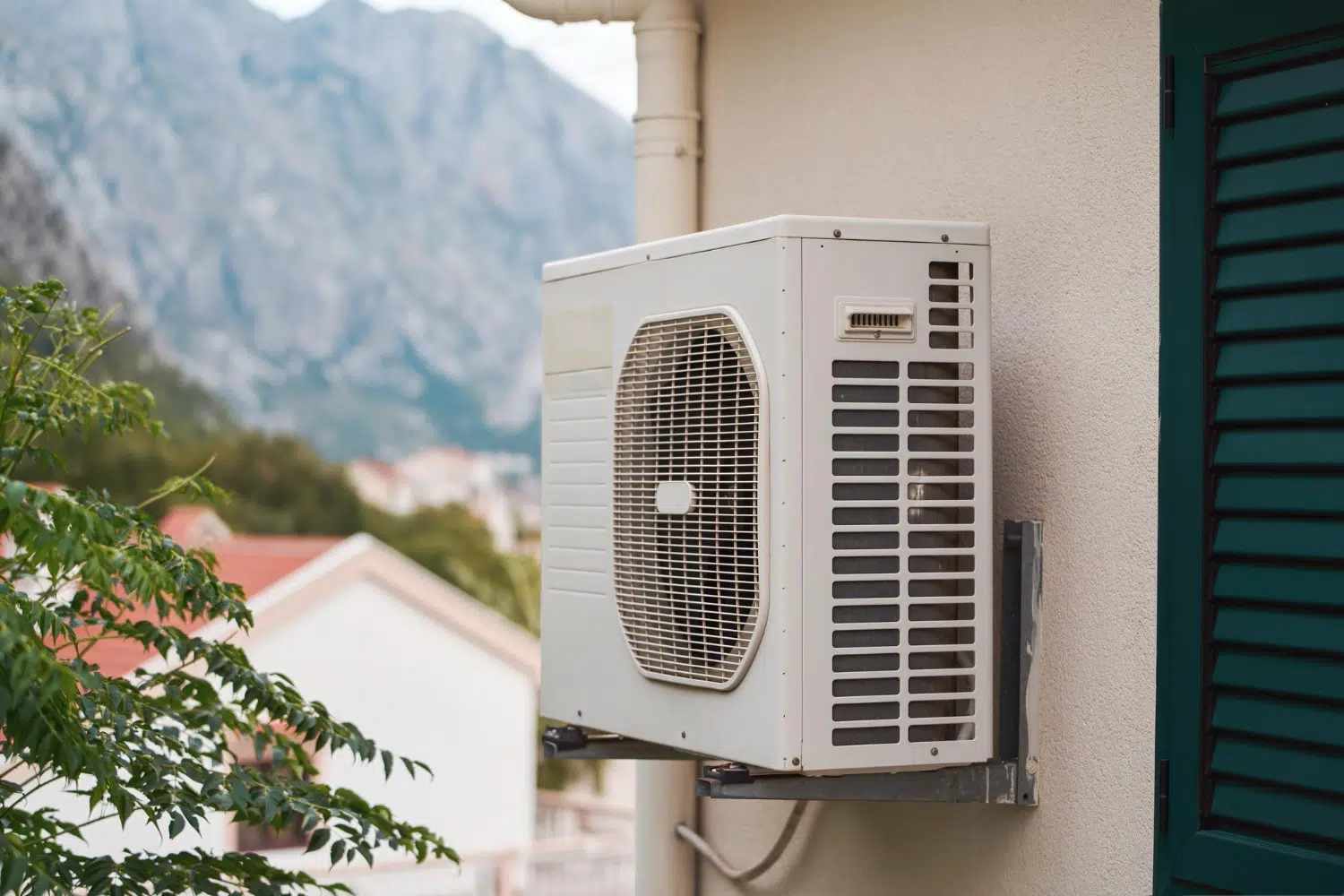
- Outdoor units packed with leaves, snow, or ice can stop the system from pulling in or pushing out air
- Settings on the remote may have been bumped or changed without realizing, keeping the unit on fan-only or limiting the temperature
When a mini split heating system runs constantly without producing much heat, it could be working harder than necessary because of poor airflow. We see this a lot during winter when people close vents and doors in an attempt to trap heat, but that can actually put more pressure on the unit and interrupt overall balance.
Skipping regular maintenance is another reason indoor units blow air that feels lukewarm instead of warm. Even small layers of dust on coils or vents can make your system less effective at heating.
When the Size Doesn’t Fit the Space
A system can be in perfect condition and still struggle to heat a space if it wasn’t chosen with the right size in mind. Mini splits need to be matched carefully to your home’s layout and square footage.
If your heating feels spotty or uneven across different rooms, that might be a sign the unit is too small for the space it is trying to heat. In homes with open floor plans, vaulted ceilings, or large family rooms, undersized systems just can’t keep up.
In older houses around Baltimore, it is not unusual to see closed-off additions or unique room arrangements. These setups may need more than one indoor unit to give enough coverage. It’s not about overdoing it with equipment, but making sure the system actually fits where and how you live.
Cold Weather Limitations and Defrost Mode
Mini splits work differently than furnaces, especially when temperatures drop below freezing. Instead of creating heat from a flame or coil, they grab warmth from the outdoor air and move it inside. That works great most of the time, but cold winter mornings around Maryland can make this job a lot harder.
One feature that trips up owners is something called defrost mode. When the outdoor unit collects frost, the system flips briefly into defrost to melt the ice. During this time, heating will pause and you might feel a slight draft or notice a stop in warm airflow. That doesn’t mean something’s broken. It’s just part of how the system protects itself.
Most mini splits switch out of defrost within ten minutes, but if it seems to be happening too often or taking too long, it could be a sign of a deeper issue, like low refrigerant or poor placement of the outdoor unit.
Thermostat or Remote Settings That May Be Off
Sometimes the fix is hiding in plain sight. If you’re not getting the heat you expect, it’s smart to double-check how your remote or wall controller is set, especially after a power flicker or after accidentally pressing the wrong button.
Some of the common remote or setting issues we run into:
- The unit is stuck in cooling or fan mode
- The temperature is set too low, especially overnight
- Timers or sleep settings were turned on and never cleared
- The remote is placed in a spot where temperature readings are off, like near a window or inside a cabinet
It doesn’t take much to throw things off. Sometimes all it takes is a good review of the settings, or a quick visit to reset them based on how you actually use your home during the winter.
When It’s Time to Call a Technician
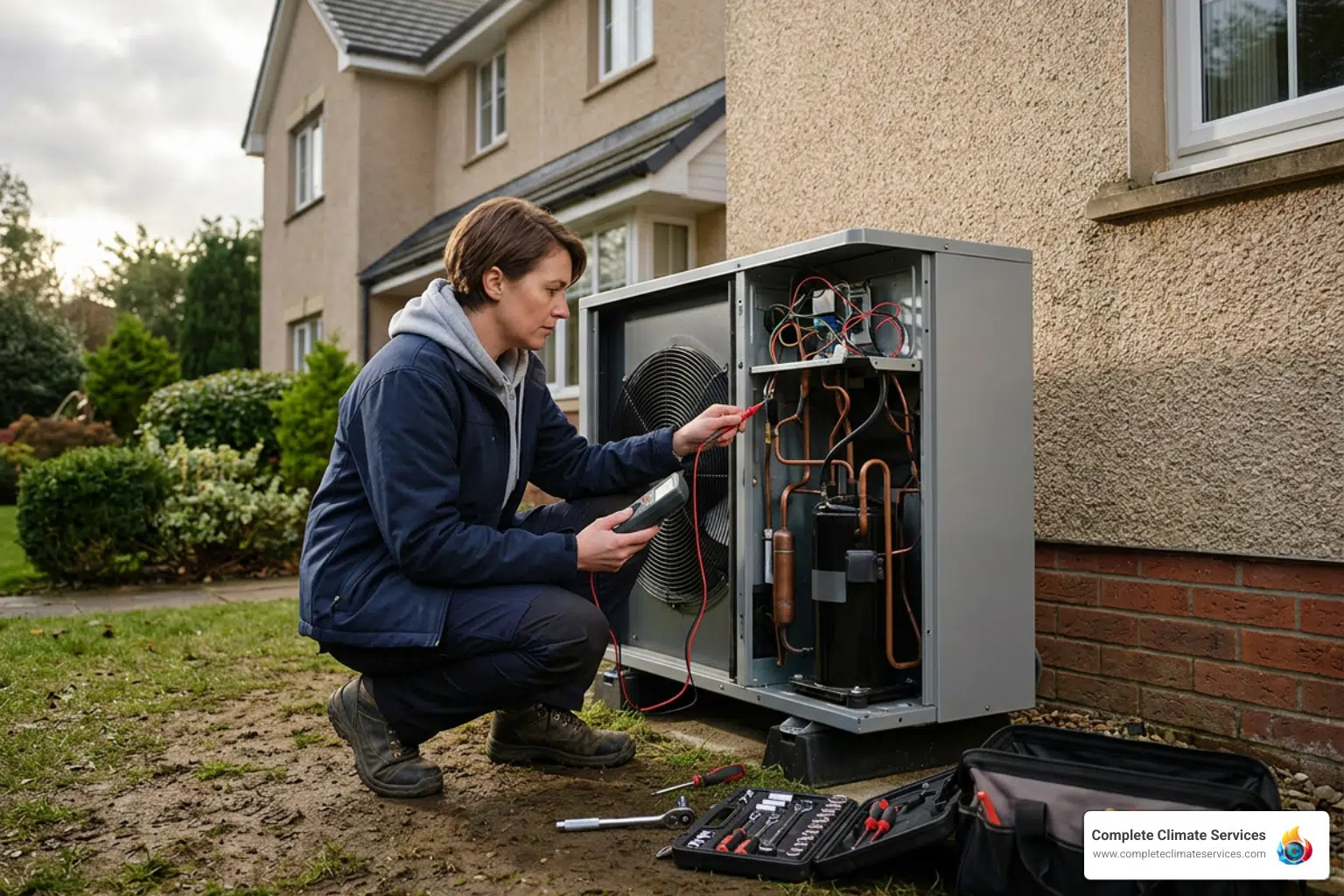
There’s only so much guesswork that helps. If your system stops turning on, keeps shutting off in the middle of heating, or starts making strange sounds, it’s time to bring in someone who can pinpoint the issue fast.
Watch for signs that may point to bigger problems:
- A spike in your electric bill from a system that’s always running
- Smells from the unit or loud buzzing sounds
- Indoor units dripping water or blowing cold bursts
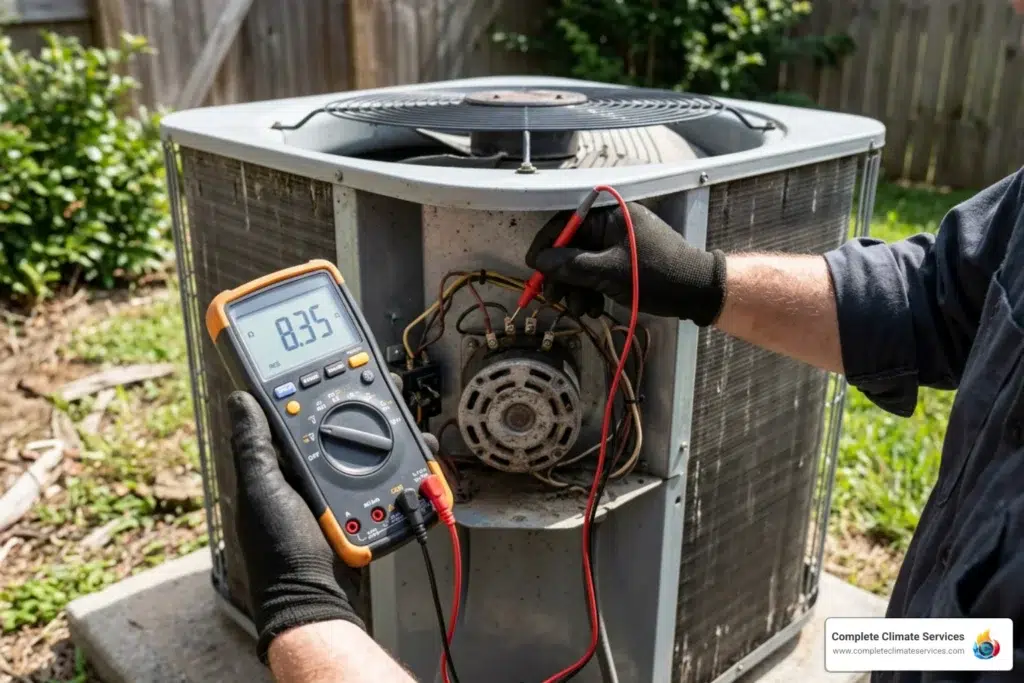
Issues like electrical problems, thermostat communication errors, or refrigerant leaks aren’t things you want to fix on your own. Making small adjustments without training can sometimes make things worse. A licensed HVAC expert can catch what’s out of place before a simple problem turns into a full system failure.
Keep Cozy With Smarter Heating Support
Your mini split heating system is made to work in the winter, but it’s not unusual for performance to dip when something’s off with the setup, settings, or size. A drop in comfort doesn’t always mean the whole system is failing. Sometimes, small adjustments go a long way.
When you start noticing colder rooms, strange sounds, or inconsistent performance, that’s the sign to take a closer look before it turns into a long-term problem. Seasonal check-ins, clean filters, and an expert eye on the system can keep your home warm and steady, no matter how cold it gets outside.
Frequently Asked Questions
Why is my mini split blowing cold air in the winter?
It might be in defrost mode, or the settings could be off. If it keeps happening, it could mean your filters are blocked, or the unit isn’t working right.
Can a mini split heat my whole house?
It can if it’s the right size and there are enough indoor units for your layout. Some homes need more than one unit to stay warm everywhere.
How often should I clean my mini split filter?
We suggest checking them every month during the winter. If they look dusty, give them a gentle clean or replace them if needed.
What temperature should I set my mini split heating system to in winter?
Most people feel comfortable around 68 to 72 degrees, but every house is different. Try a setting that keeps you warm without overworking the system.
Why does my mini split keep turning off and on?
This could mean short cycling from a sizing issue or a sensor problem. It’s a good idea to have someone check it before it gets worse.
When your comfort during Baltimore or Columbia winters depends on a reliable mini split heating system, our team at Complete Climate Services is here to help. From clogged filters to outdoor debris or incorrect settings, we’ll get to the bottom of any issue and restore your heating so you can stay comfortable all season long. Reach out today to schedule service or ask any questions.