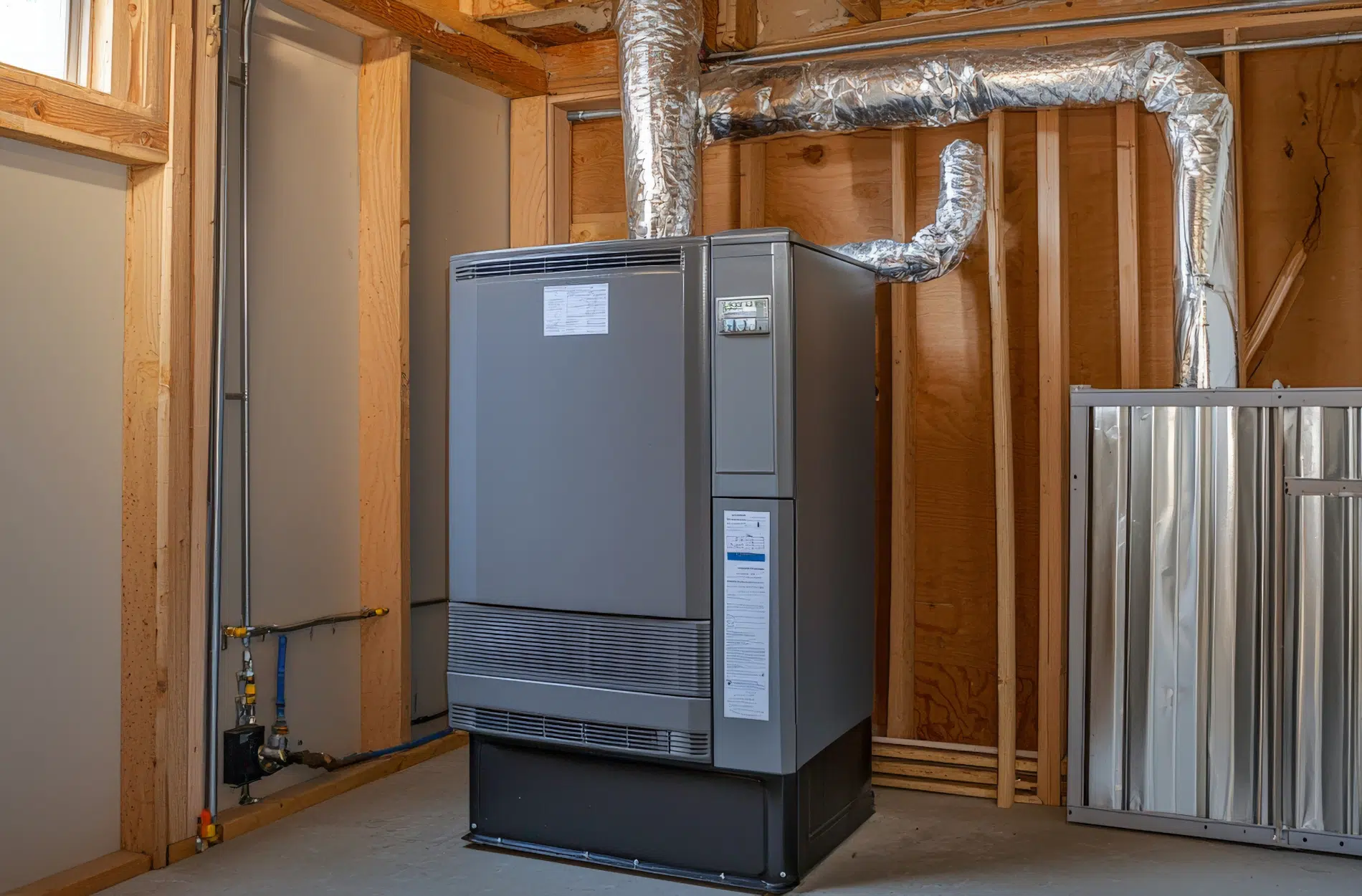
When it comes to heating your home through a chilly Maryland winter, your furnace needs to be up for the job. Even though it’s summertime now, this is the perfect time to make sure your system will be ready when those cold months return. For homeowners in Baltimore, Towson, and Columbia, staying ahead of furnace issues means fewer surprises when you really need your heater to work. Regular maintenance is one of the best ways to make sure your furnace works well and doesn’t break down unexpectedly.
Letting your furnace go unchecked year after year can lead to more than just minor hiccups. It can turn small wear-and-tear problems into major failures that cost more time and money to fix. Regular maintenance keeps the system clean, safe, and efficient, and it also helps your family stay comfortable all season long. Preventive care saves you from dealing with emergency repairs or system replacements when temperatures drop and you need heat the most.
Preventing Breakdowns
Furnace breakdowns rarely happen out of nowhere. In most cases, something small is left unaddressed for too long and eventually turns into something bigger. That’s where maintenance steps in. A trained technician can spot early warning signs before they become real problems. For example, a worn-out belt, dirty flame sensor, or clogged filter might not stop your furnace today, but it could next month when you’re relying on it every day.
Breakdowns tend to happen during the times of year when your system is working its hardest, which usually means the middle of winter. That’s the worst time for a furnace to fail. Not only is it uncomfortable, but scheduling emergency help becomes harder, especially during peak season. Setting up routine checkups before the cold weather sets in prevents those stressful mid-winter emergencies.
A few common issues that maintenance can help prevent include:
– Ignition or pilot control problems
– Dirty or clogged filters, reducing airflow
– Worn belts and bearings that cause noisy operation
– Thermostat malfunctions
– Blower or motor issues that affect heat circulation
Catching any of these issues early can save you a lot of hassle down the road. It also means fewer days wrapped up in blankets waiting for someone to come fix it.
Improving Energy Efficiency
A clean, calibrated furnace doesn’t have to work as hard to produce the same amount of heat. That can mean lower utility bills and a lighter workload on the system throughout the colder months. When a furnace is covered in dust and grime, parts like burners and sensors can struggle to work the way they should. As a result, the system has to stay on longer or cycle more often to keep up, which wastes energy.
When a technician completes seasonal upkeep, a few small steps can make a big difference in efficiency:
– Replacing the air filter so the system can breathe properly
– Cleaning burners so fuel ignites and burns clean
– Checking the fan and motor for worn parts or buildup
– Adjusting the thermostat calibrations to avoid overworking the system
Keeping energy costs down is about more than just watching the thermostat. It’s also about helping the system operate in the most efficient way possible. You don’t want to pay more than you need to just to keep warm.
Compared to putting off maintenance and being hit with a big repair or high bills later, taking a little time for upkeep now keeps things smooth, both in your home and your wallet.
Ensuring Safety
Safety is a top concern when it comes to running any household appliance, especially the ones that produce heat and deal with combustion. Regular furnace maintenance acts like a safeguard against potential hazards. One of the key safety benefits is reducing the risk of carbon monoxide leaks. This odorless, colorless gas can be very dangerous if it escapes into your home. By ensuring that vents and exhaust systems are clear and in good condition, a thorough check can prevent such risks.
Fire hazards are another concern. Furnaces can collect dust and debris that, over time, might ignite if not cleaned out. Regular inspections ensure that burners and heat exchangers are free from buildup. Technicians also look at safety controls and electrical components to catch any potential fire starters early on. These checks are important for maintaining a safe home environment, especially as furnaces age and parts start to wear down.
Prolonging Furnace Lifespan
Like most things, a well-cared-for furnace will last longer. Regular maintenance helps prevent wear and tear from turning into significant issues. Without routine checkups, small problems can escalate, forcing homeowners to choose between costly repairs or a new furnace altogether. Investing in regular care now saves money and minimizes disruptions later.
A few key ways that maintenance extends the lifespan of a furnace include:
– Lubricating moving parts to decrease wear and tear
– Replacing worn-out parts before they fail
– Keeping the system clean so dirt and debris don’t cause damage over time
– Ensuring the system runs smoothly without overexertion
When your furnace functions without unexpected issues, it not only makes financial sense but also brings peace of mind knowing your heating system is dependable each winter.
The Right Time to Care for Your Furnace
Regular maintenance does more than keep your furnace running; it also ensures you stay comfortable throughout the year. When winter arrives, a well-maintained furnace keeps indoor temperatures stable, making sure every room stays cozy. In summer, while the focus shifts to AC systems, regular furnace checks make sure that the whole HVAC system is ready for quick seasonal transitions.
Maintenance enhances comfort by:
– Preventing uneven heating or cooling throughout the house
– Providing reliable performance during extreme weather
– Reducing noises or smells from malfunctioning parts
Having a reliable system means fewer temperature swings and maintaining a pleasant home environment year-round.
Your Furnace Queries Answered
How often should you schedule furnace maintenance?
Ideally, once a year is enough. Fall is the best time, right before cold weather kicks in.
What are the signs your furnace needs maintenance?
If you hear strange noises, notice uneven heating, or your energy bills suddenly spike, it’s time for a tune-up.
Can you perform any maintenance tasks yourself?
You can replace the air filter, but let professionals take care of deeper inspections and repairs.
How does maintenance affect your energy bills?
A well-maintained furnace runs more efficiently, which helps reduce how much energy your system needs to stay warm.
What should you do if your furnace starts making unusual noises?
Turn the system off and schedule a service. It could be something simple, but it’s best to have it looked at quickly.
Regular care ensures that your heating system reliably powers through even the coldest Baltimore winters. To keep it in peak condition, consider the benefits that come with professional furnace and AC repair. Complete Climate Services is here to help you maintain consistent comfort and extend the life of your system with dependable service and support you can count on year after year.