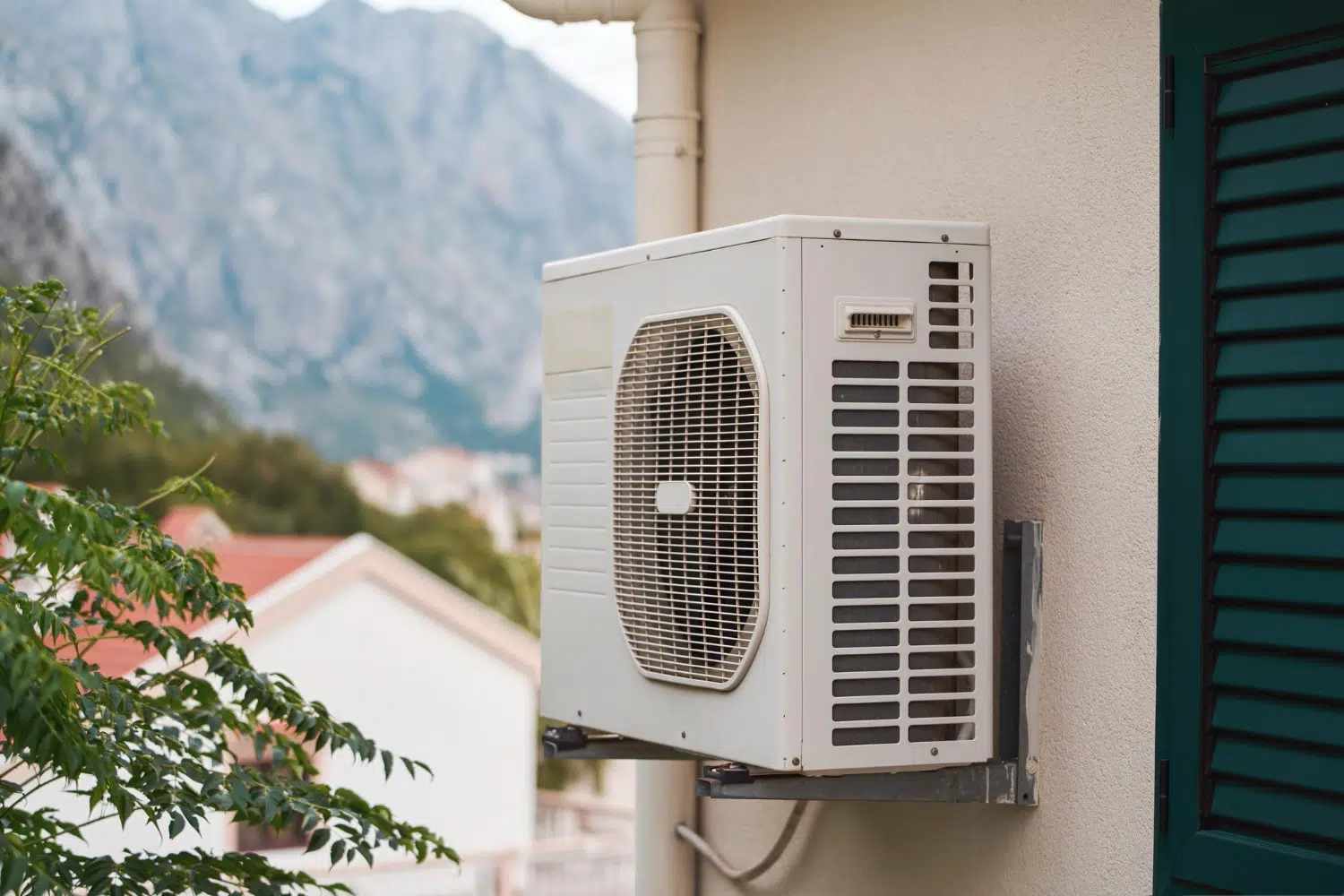

Troubleshoot boiler issues during winter before freezing temperatures in Baltimore leave your home without heat. Boilers play a key role in keeping indoor spaces warm and comfortable, but when they malfunction, you may notice cold air, strange noises, or uneven heating. Understanding what’s happening inside your system helps you act quickly and prevent bigger breakdowns.
Addressing boiler problems early can prevent larger breakdowns when temperatures drop. That is why it helps to recognize common issues and perform basic checks before calling in professional support. Here are a few problems homeowners in Baltimore commonly encounter with their boilers during the winter and how to troubleshoot them.
How to Troubleshoot Boiler Issues During Winter
If your home is not warming up, it is understandable to feel concerned. A boiler not producing heat or not producing enough of it could be caused by a few simple issues. Here are a few things to check right away:
1. Thermostat settings: Make sure it is set to “heat” and the temperature setting is high enough to trigger the boiler. Sometimes a bump or accidental button press can change settings without you realizing it.
2. Circuit breaker: Boilers depend on electricity to operate. If the circuit breaker has tripped, the boiler will not run. Open your breaker panel and see if the switch for the boiler is in the “off” position. If so, try resetting it to restore power.
3. Water pressure: Many boilers shut off or function poorly when water pressure is too low. Look at the pressure gauge on your unit. Standard pressure for most boilers is in the range of 1 to 1.5 bar. If it reads lower, that might explain the issue.
If these steps do not correct the problem, it is time to bring in a heating professional. Continuing to operate a poorly performing heating system could lead to more damage.
Strange Noises Coming From the Boiler
Boilers are designed to operate quietly. If yours starts making odd sounds, such as banging, whistling, or gurgling, it could be cause for concern. Understanding what each sound means can help you identify the source.
1. Banging or clanging: This can indicate air trapped in the heating system or hard water causing limescale buildup inside. Either can interfere with water circulation and cause strange noises.
2. Whistling: Often called kettling, this noise sounds like a tea kettle boiling. It usually points to scale or debris inside the heat exchanger, which prevents water from flowing properly.
3. Gurgling: This may suggest that air is caught in the pipes or that water pressure is too low.
Here is what you can do:
– Bleed the radiators: This process releases trapped air. Place a cloth under the valve, turn it slightly, and listen for a hissing sound. Once water appears, close the valve.
– Monitor pressure: After bleeding the system, check the boiler’s pressure again and adjust if needed.
– Call a professional if noises persist: Limescale and internal blockages should be handled by someone trained to prevent system damage.
Unusual sounds are often an early warning sign. Fixing them promptly can prevent larger failures during the coldest days of the year.
Pilot Light Keeps Going Out
The pilot light is the flame responsible for starting your boiler’s burner. If it won’t stay lit, that is a sign that something is off. Start by checking whether the flame is burning consistently. A robust pilot light is blue. If it flickers, is weak, or yellow, something may be interfering with airflow or gas supply.
Common issues to investigate:
1. Drafts: Cold drafts can blow out the flame. Check your windows and doors nearby and close them to reduce airflow toward the boiler.
2. Dirt and debris: If the area around the pilot is dirty, the flame may not ignite properly or stay lit. While cleaning helps, this part of the system often requires a technician for safe handling.
3. Faulty thermocouple: This component senses the flame and shuts off the gas if the pilot light goes out. If it’s misaligned or malfunctioning, it may mistakenly cut off the fuel supply.
If you’ve checked for drafts and the pilot continues going out, contact an HVAC technician. It is safer and faster to let professionals handle pilot or gas-related repairs.
Boiler Leaking Water
Leaks typically indicate a serious issue with your boiler and require attention as soon as possible. Even a small puddle beneath your unit can signal larger internal problems.
Here is what to look for:
– Moisture around pipe joints, valves, seals, or the body of the boiler
– Stains or swelling on the floor or wall near the unit
– A hissing sound or visible drip
Place a bucket or towel beneath the leak as a short-term fix to prevent water damage. Do not try to open or tighten any fittings on your own. Boilers are pressurized, and tampering with the wrong component could lead to worse issues.
Most leaks are caused by worn-out seals, faulty pressure valves, or corrosion of internal parts. A technician will be able to diagnose and replace the affected components safely. Leaving a leak unchecked through the winter can lead to mold, electrical issues, or complete system failure.
Need Help? We’re Here For You!
Boiler problems rarely solve themselves. Keeping watch for signs like low heat, strange sounds, pilot light outages, or leaks can protect your home and family from major comfort disruptions during winter. Regular maintenance and quick action during small issues can save both time and money when temperatures in Baltimore drop.
At Complete Climate Services, we understand the urgency of heating problems during the cold season. When basic steps do not bring results, our certified team is ready to assess and repair your boiler quickly and professionally.
FAQs
1. What should I do if my boiler isn’t producing any heat?
First, make sure the thermostat is on and set high enough. Then, check the circuit breaker and water pressure. If nothing changes, it’s best to call in a tech.
2. Why is my boiler making a banging noise?
That banging might be from air in the pipes or mineral buildup inside the system. Bleeding the radiators can help, but other causes may need a pro to check it out.
3. Is it dangerous if my pilot light keeps going out?
It can be. Drafts, low gas flow, or a bad thermocouple can cause it to shut off. If it keeps happening, don’t wait—have someone look at it soon.
4. What should I do if my boiler is leaking water?
Catch the water to avoid damage, then call for help. A leak can mean a number of internal problems and should not be ignored.
5. How often should I have my boiler serviced?
Once a year is a good rule of thumb. It keeps your system running well and can catch small issues before they turn into bigger ones.
If you’re dealing with heating troubles and want reliable support before the cold settles in deeper, our team at Complete Climate Services is ready to help with expert solutions for everything from leaks to uneven heat. Learn more about how we handle boiler repair in Baltimore to keep your home warm, safe, and worry-free this winter.