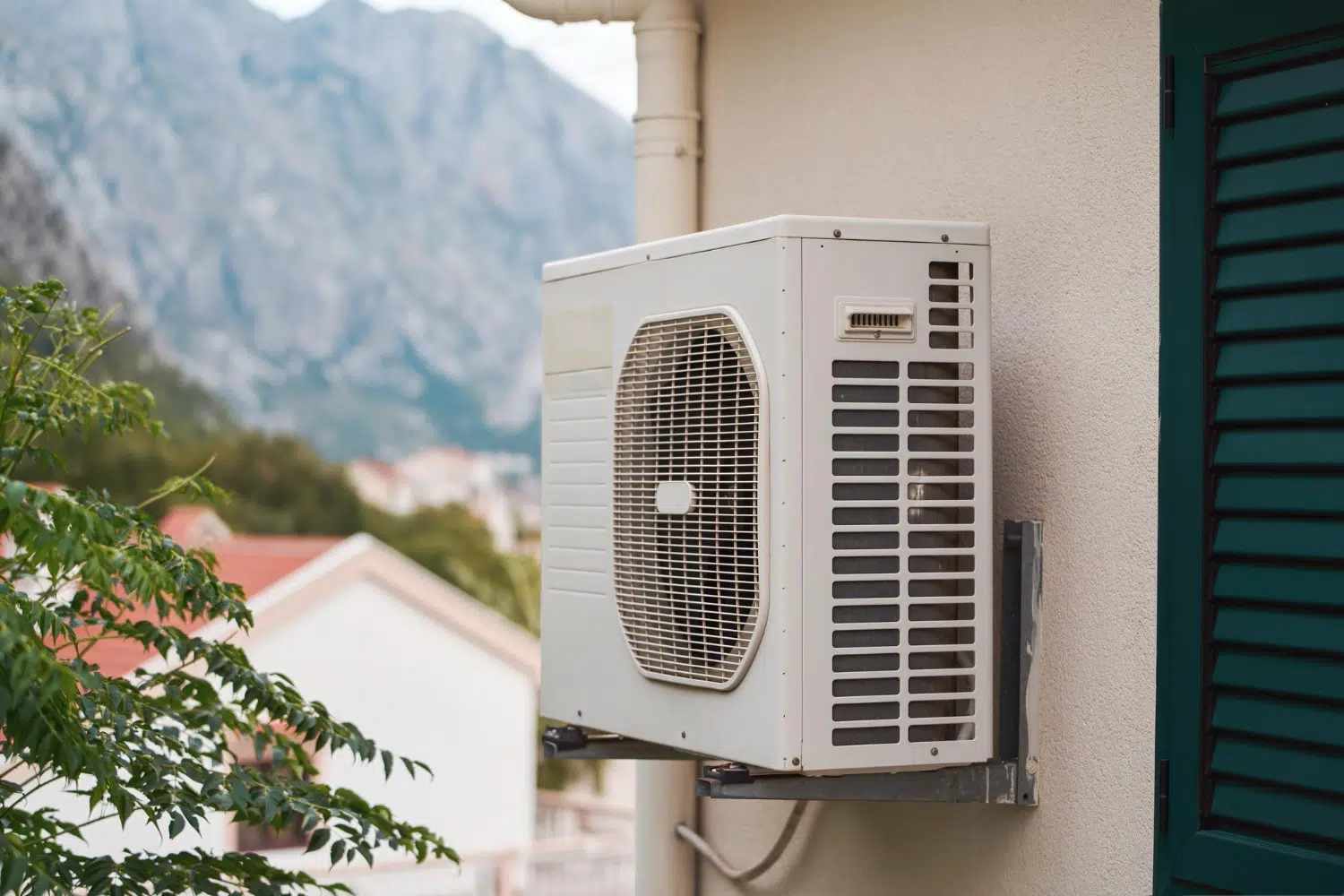

Preparing your boiler ahead of time makes a real difference. A reliable boiler system installation gives your home a strong start, but regular upkeep is equally important. Routine steps can help you avoid heat loss, noisy problems, or a complete breakdown just when you need warmth most. Here is how to get ahead of winter’s worst and keep your heat running as it should.
Know Your Boiler System Before the Cold Hits
Before doing anything, know what kind of system you have. Boilers vary in design, with each type showing signs of struggle in its own way. Check whether yours uses gas, oil, or water to move heat. Also, consider the age of your system. If it has served your house for over 15 years, it may need extra attention before winter. Reviewing past inspection or repair notes for recurring issues can signal that extra care is needed before the next cold snap arrives.
Schedule a Professional Inspection
Once you understand your setup, have a boiler expert inspect it. Professionals typically review the pressure, gas lines, pilot light, and safety controls. They ensure that water flows correctly and burners are clean. Issues like small leaks, worn seals, or signs of corrosion can be caught early, making repairs easier and preventing system shutdowns during peak demand. A timely inspection can reduce downtime during critical cold periods.
Take Care of the Boiler Room
A key part of keeping warm is ensuring the area around your boiler stays safe and efficient. The space should remain clear, clean, and dry. Clutter can block airflow and even pose a fire risk if it overheats. Check that no boxes, tools, or storage bins are placed near the boiler, look for rust marks or new water spots, and keep vents open so that air circulates properly.
Spot Trouble Before It Shows Up
Sometimes, a boiler gives hints before it stops working. Pay attention if your home takes longer than usual to reach a comfortable temperature or does not heat evenly. Listen for odd sounds such as clanking, bubbling, or hissing, and be alert to unusual smells like mustiness or a hint of something burnt. These signs may indicate that parts are wearing out. Addressing issues early makes them easier to fix and helps keep your home warm on the coldest days.
Preparing for a New Boiler Installation If Needed
Even a well-maintained boiler might eventually need replacing. If your system frequently breaks down or struggles to keep up with your heating needs, consider a new unit before winter ends. Planning ahead lets you choose the right system for your home and avoids rushed installations. During a replacement, you may experience brief downtime, so proper planning is key to ensuring you are not left without heat when it matters most in Baltimore.
Keep Warm Without the Worry
Winter preparation does not have to be a huge project. When your boiler runs smoothly, you can relax knowing that small issues have been managed well in advance. Staying ahead of potential problems means fewer surprises during the coldest days in Baltimore. Whether it is your first winter in your home or another tough January, a little early attention can keep your space warm, safe, and comfortable.
Frequently Asked Questions
What kind of maintenance does a boiler need before winter?
Have a professional check the water pressure, clean the burners, inspect for leaks, and test the system’s safety controls.
How do I know if my boiler is failing?
Warning signs include uneven heat, loud banging or bubbling sounds, and rooms taking longer than usual to warm up.
Is winter a bad time for boiler repair or replacement?
Not at all. Winter repairs or replacements happen regularly, so don’t wait if issues arise.
Can I keep using my heating system while waiting for a new boiler?
If the system runs safely, you can. However, if you notice warning signs like carbon monoxide leaks, water damage, or overheating, it is best to get help immediately.
How often should I replace a boiler?
Most boilers last between 10 and 15 years. If you face frequent repairs or inconsistent performance, it might be time to consider a new unit.
Let us make sure your heating system is ready for another challenging winter in Baltimore or Columbia. Our experienced team at Complete Climate Services has seen what reliable performance looks like in this region and can help you prepare with expert guidance. Our team is available with 24/7 emergency support for heating issues, so you are not left in the cold if something fails suddenly. To explore your options for a new boiler system installation, contact us today.