
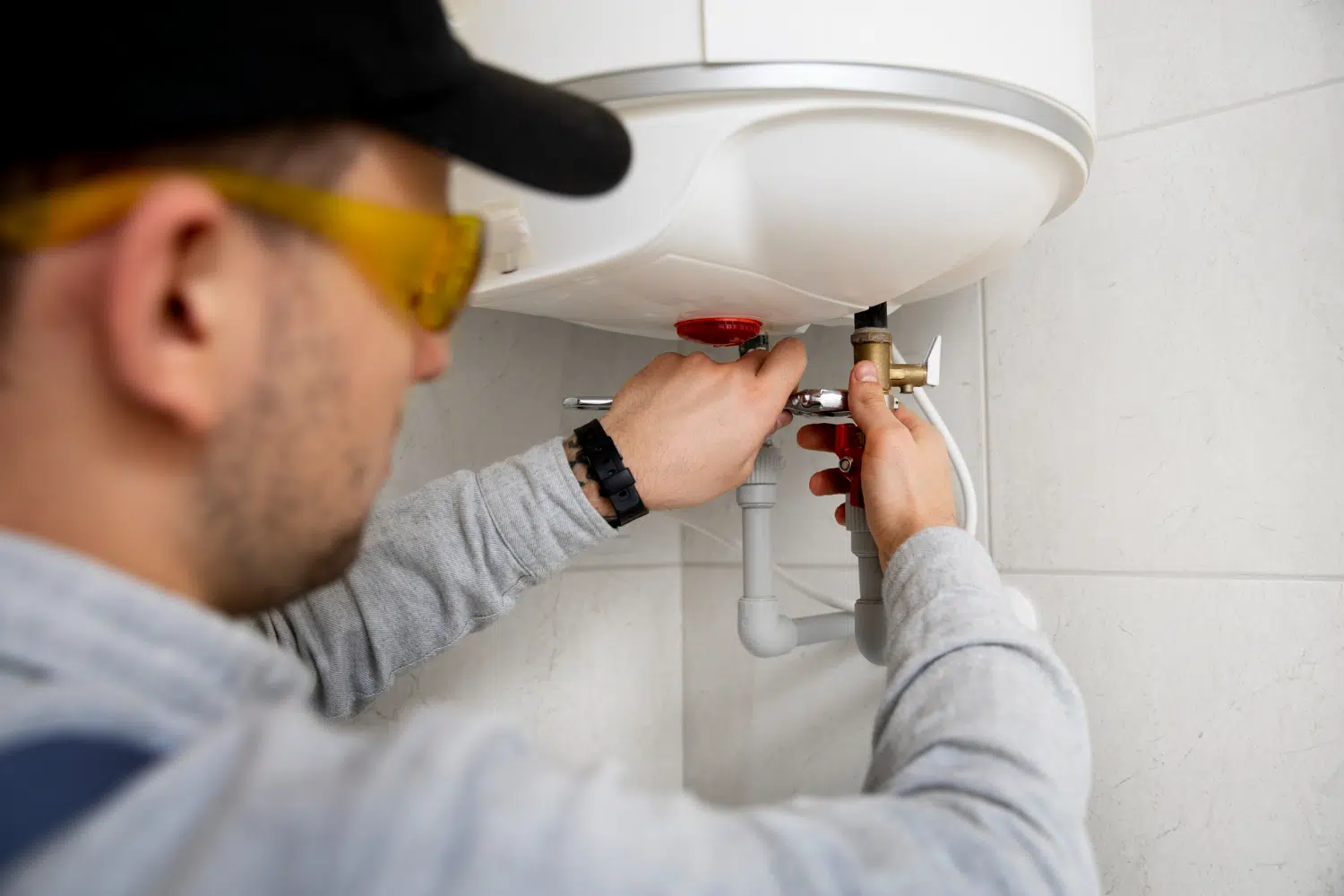
Complete boiler systems for homes have long been trusted to keep Maryland houses warm, especially when winter settles in. These systems use hot water or steam to deliver steady heat across the house, making them a popular choice for homeowners in colder climates like ours. When the weather gets icy around Baltimore or Columbia, a reliable heating system isn’t a bonus; it’s a must.
Some people get nervous about boilers because they seem more complicated than a furnace. The good news is they’re not hard to understand once you break them down. We’ll cover how they work, the different types available, and what issues to look out for as the season gets colder. If you’ve ever been curious about how complete boiler systems hold up when it matters most, this guide will help answer some common questions.
How Complete Boiler Systems for Homes Keep Maryland Warm
Boiler systems work by heating water, either to boiling or just below it, depending on the type. That hot water or steam then flows through a network of pipes to warm your home. The heat comes out through radiators, baseboard units, or even underfloor piping in some homes, slowly releasing warmth into each room.
This type of setup does not blow air the way a forced air system does. That can be a big plus for people who are sensitive to dust or prefer quieter heating. It also spreads heat more evenly, avoiding that blast of hot air followed by a chill that you often get with a furnace and ducts.
Boiler systems operate at a steady pace, which means fewer fluctuations in room temperature. And since they don’t rely on air ducts, there’s less risk of spreading allergens or cold air drafts into spaces that should be warm. For many homes around Maryland, especially older ones built before ductwork became common, boilers are still a great match.
Different Types of Boilers for Residential Use
There’s no single type of boiler that fits every home, so knowing your options helps when it’s time to upgrade or replace a system. The most common ones you’ll see in Maryland homes are based on how they’re powered.
- Gas boilers are very common and run on natural gas, which is available in most places across Baltimore and surrounding counties.
- Oil boilers are often found in older homes or rural areas that don’t have access to natural gas lines. They’re reliable but need regular fuel deliveries.
- Electric boilers use electricity instead of a fuel flame. These tend to be better for smaller spaces or homes with low heating demand.
Beyond how they’re powered, boilers are also categorized by their efficiency. A standard boiler sends unused heat out the vent, which wastes some energy. High-efficiency models are made to capture and reuse that extra heat, so they help reduce how much energy gets lost.
Another difference is between condensing and non-condensing models. Condensing boilers make better use of the fuel they burn, so they’re often paired with modern high-efficiency systems. Non-condensing options work well, especially in smaller homes, but they lose more heat in the process.
Understanding which boiler fits your home means looking at how much space you need to heat and the type of energy available where you live. For example, some homes may be set up for natural gas, while others rely on oil deliveries each winter. And if you’re thinking about saving on energy bills, checking for high-efficiency or condensing features can make a difference over time. No matter which type you choose, regular inspections will keep your heating steady and dependable.
What to Watch for with Older or Troublesome Systems
Boilers may be long-lasting, but they aren’t problem-proof. If your system is older or has been through a few Maryland winters, it’s smart to know the early signs that something may be off.
- Uneven heat throughout the house, with one room colder than the others
- New or louder noises when the heat starts, like banging, clanking, or hissing sounds
- Water leaks, rust stains, or corrosion around the boiler or nearby pipes
- Weak heating performance, where the home just doesn’t warm up like it used to
If you notice any of these signs, it might not mean your boiler is about to fail. But it does mean it’s time for a professional to take a look. A system not performing well can drive up your heating bill, leave parts of the house cold, or even lead to safety issues if ignored for too long. And once deep winter arrives in places like Columbia or Baltimore, waiting is a risk most homeowners do not want to take.
It’s also worth listening for small new sounds or changes in how quickly rooms heat up. Over time, boilers can develop issues like minor leaks or start to work less efficiently due to wear and tear on parts. By noticing changes early, you get the chance to fix things before they grow into big problems. Many homeowners miss early signs simply because their heating seems mostly fine until it’s suddenly not. Keeping an eye out all season long makes a difference.
Taking Care of Your Heating System All Winter Long
Keeping heat steady and costs down during cold weather starts with how you run your system each day. You do not have to be a technician to help your boiler work its best. A few small habits can help a lot.
- Keep your thermostat set to a stable temperature. Avoid big swings that make the boiler work harder.
- Seal windows and doors to block out cold drafts, so more heat stays inside.
- Schedule professional heating system maintenance before or early in winter, not once the temperature drops below freezing.
When getting service, ask questions about how your system works. Learning where the shut-off valves are or what kind of pressure reading is normal can help you spot problems earlier.
Complete boiler systems are tough, but they still need regular attention. A quick visit from a heating professional can often catch issues that would otherwise go unnoticed until something fails. And when it’s below freezing outside, that’s the last time you want to be making emergency HVAC service calls.
You’ll also want to be sure the area around your boiler stays clear. Don’t let boxes or storage pile up nearby, which can block airflow or make it harder to spot leaks. If you keep pets, check their bedding and toys for any dampness, just in case of a slow leak. Small steps like these help your system work its best through the harshest winter weather.
Even if everything seems fine, getting yearly boiler maintenance is smart. Professionals look for hidden wear or small leaks that you might not notice, keeping your boiler operating safely and efficiently.
Keeping Heat Reliable When it Matters Most
When you’re in the middle of a Maryland winter, having heat you can count on isn’t a luxury; it’s part of daily life. The more familiar you are with your boiler, the easier it is to recognize when something changes. Spotting signs early helps avoid bigger problems later on.
Complete boiler systems are built for comfort, but they run best with a little help along the way. When everything is working smoothly, heat flows through the house without fuss, keeping living spaces warm and safe all season long.
Reliable heating means not just avoiding the big breakdowns, but also enjoying steady warmth day and night. If you ever wonder about new noises, changes in warmth, or just how your boiler works, don’t wait. Asking a pro or scheduling a check goes a long way toward keeping your home safe and toasty.
FAQs
How often should I have my boiler checked?
We recommend a professional inspection every year, usually before winter. A yearly check keeps things safe and helps catch wear and tear early.
What’s the difference between a furnace and a boiler?
A furnace heats air and blows it through ducts, while a boiler heats water or steam and sends it through pipes and radiators. Boilers usually provide quieter, more even heating.
Can a boiler heat both my home and my water?
Yes, some setups can handle both space heating and hot water. These are sometimes called combination boilers. Your technician can tell you if that setup fits your house.
Why does my boiler make noises when it starts up?
Loud or unusual sounds may mean air is trapped in the system, or there’s a buildup inside the pipes. It’s best to have it checked so the problem doesn’t get worse.
Is it okay to keep using a very old boiler if it still works?
It might be working now, but older systems can be less safe and use more energy. A check-up from a professional can tell you if it’s still running safely. Also, be aware of carbon monoxide safety and prevention with any older heating system.
To ensure your home remains cozy throughout the harsh Maryland winters, consider upgrading your heating with complete boiler systems. These systems provide consistent warmth, save on energy costs, and fit seamlessly into both modern and historic homes. Trust the experts at Complete Climate Services to guide you in selecting the perfect setup for your specific needs and enjoy a worry-free, comfortable season.

