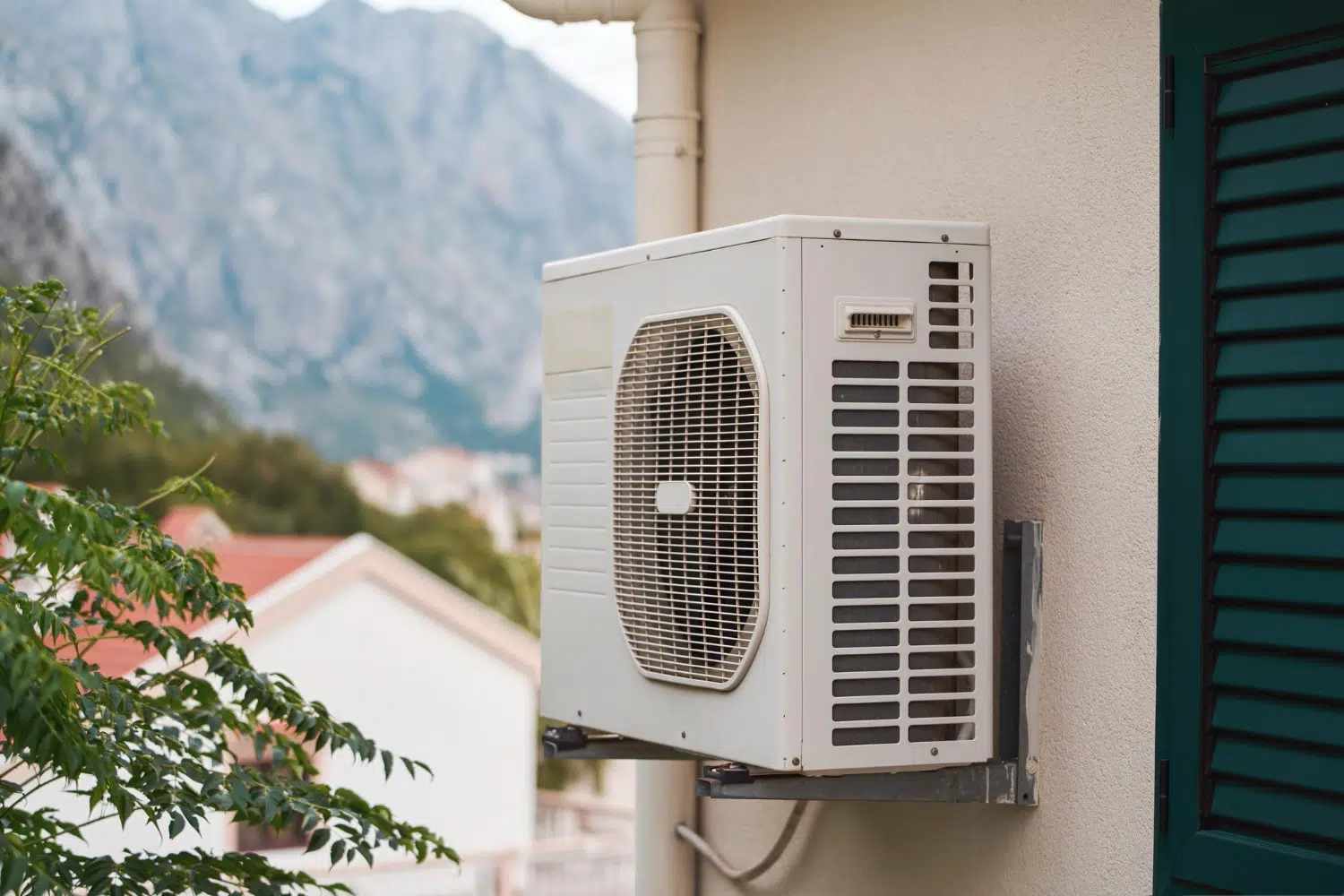
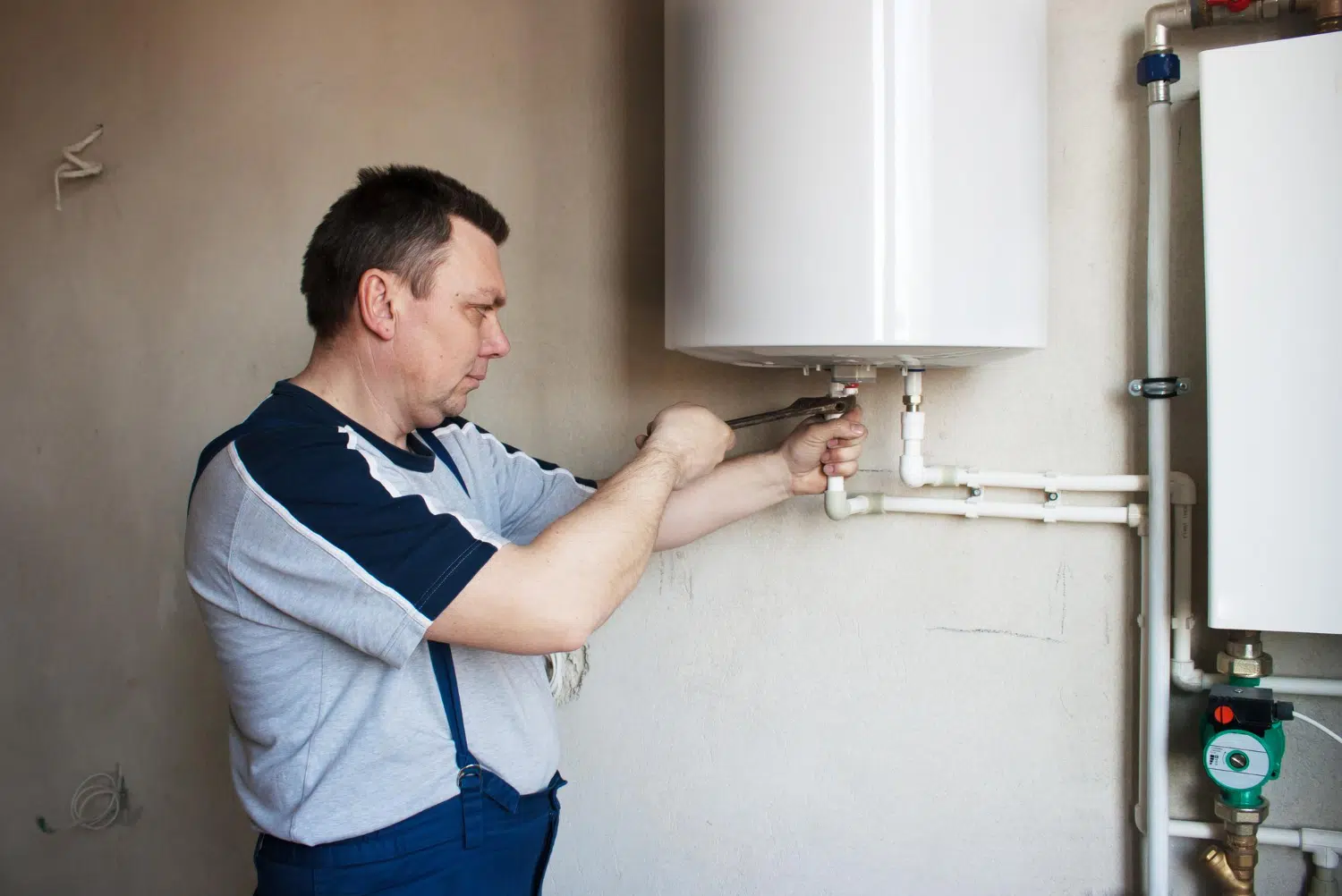
When temperatures drop in Maryland, homes rely on heating systems that can handle the shift. From single-family homes and townhouses to multi-unit residences, homeowners need steady heat to keep families warm, interiors comfortable, and operations consistent. That’s where reliable residential boiler systems come into play. These systems are the heart of many Baltimore and Columbia residences, pushing out consistent warmth when it matters most.
In places like Baltimore and Columbia, winter weather doesn’t leave much room for error. When snow starts falling or freezing winds move in, boilers have to work harder and longer. If a system is slow to respond or can’t keep up, the whole house feels it. That’s why understanding how these systems work and what signs to watch for can help keep things running smoothly before the next cold snap.
What Boilers Do in a Residential Setting
Boilers in homes serve a critical purpose: delivering reliable heat to your living spaces. They are built to move heat efficiently across the home’s square footage, supporting the comfort of your family.
Fuel types vary depending on the home’s setup. Some boilers use natural gas, which is often more widely available, while others run on oil or electricity. The fuel source usually depends on local utility access and cost over time, though each has pros and cons depending on availability and the house’s age.
Beyond heating air, boilers can be part of broader systems. They might support the hot water supply for kitchens or bathrooms. In some older homes, they could manage radiant floor heating where warmth rises from below. These setups are often found in classic construction or custom-built homes. Some homes may also have boilers dedicated to heating specific zones or additions rather than supplying heat throughout.
Complete Climate Services offers residential boiler systems that work with natural gas, oil, or electric setups and can integrate with home-wide radiant and hot water distribution.
Why System Design Matters in Larger Homes
In larger homes, system design makes a big difference. Not every room or floor needs the same amount of heat at the same time. That’s where zoning comes in. Zoning allows parts of the house to be heated separately, so you’re not wasting energy warming up empty rooms or overcompensating in already-warm areas.
Another important factor is system size. If a boiler isn’t sized properly, it may overwork itself trying to hit the target temperature, or it might not activate enough, leaving people chilly. Pressure output matters, too. Larger homes need more power to push heat where it needs to go, especially in multi-story or wider layouts.
Good design limits wasted energy and prevents the system from stopping and starting too often. That constant cycling can wear down equipment fast and raise energy use during busy winter months. A boiler that fits the home’s shape, size, and usage patterns will last longer and keep things more stable day to day.
Complete Climate Services designs and installs residential boiler systems sized to your home’s needs and can recommend zoning configurations for multi-level or extended homes in Baltimore or Columbia.
Signs Your Home’s Boiler System Might Need Attention
Residential boiler systems give clues when they’re falling behind. If some rooms feel colder than others, even when the heat is on, it could be a sign that the boiler can’t keep balance or manage the pressure properly. Uneven heating can frustrate family members and affect how different spaces are used.
Another red flag is the energy bill. If it’s creeping up without a change in use, the system might be burning more fuel to do the same job. Boilers that keep switching on and off or running longer than usual are likely struggling to meet the home’s needs.
Loud banging, hissing, or grinding sounds aren’t something to ignore. Those sounds might mean air is caught inside, parts are wearing out, or pressure is off. Leaks or water near the boiler can be signs of cracks or weakness in the system. Ignoring these can lead to system failures or shutdowns right when heat is needed most.
The Impact of Professional Maintenance and Upgrades
Routine maintenance keeps small problems from becoming big ones. Technicians can run detailed checks and clean key parts so systems keep running without constant interruptions. Regular service also includes flushing out any buildup, inspecting valves, and testing controls to make sure everything responds the way it should.
Upgrades make long winters easier to manage, especially for older systems. Sometimes, newer parts can be added to the existing setup to improve how things run without needing a full replacement. Other times, it’s clearer that a whole new unit would help more than another repair.
Knowing when to replace instead of repair can be tough. If a boiler needs service too often, or if different parts keep failing over time, replacement becomes a better long-term move. Maintenance isn’t just about keeping things going—it’s about making smart choices that avoid emergencies later.
Heating up Baltimore Homes: Why it Pays to be Prepared
Staying ahead of the weather is key in places like Baltimore. Cold air hits hard between late November and February, and if a home’s heat cuts out mid-season, repairs can take longer as providers get booked up. Being ready before winter gets rough means less downtime and less stress on your household’s daily flow.
Residential boiler systems that are well-maintained help homes stay reliable. They use less fuel, respond faster when temperatures shift, and last longer between repairs. Small choices, like scheduling a checkup in the fall or upgrading worn parts early, can help make the whole winter feel more manageable.
A well-running boiler does more than just keep people warm. It keeps families moving, protects plumbing systems, and helps avoid unexpected costs from emergency fixes in the middle of a freeze. That peace of mind matters, especially when winter weather hits hard.
FAQs
What makes a boiler “residential” instead of “commercial”?
Residential boilers are designed and sized to efficiently heat single-family homes or small multi-unit dwellings. They are built to handle the heat and hot water demands of a household.
How long do residential boiler systems last?
With regular service, they often last between 15 and 25 years. How hard they run and how well they’re maintained plays a big role in their longevity.
Can one boiler heat a whole house?
Yes, as long as it’s sized right for the space. Some setups use more than one boiler if the home has different zones or needs.
What’s the best time of year to check or replace a residential boiler?
Fall is usually best. That way, everything’s ready before the cold sets in, and you’re not stuck waiting during the busy heating season.
Do residential boilers need more care than other home heating systems?
They require routine annual maintenance, just like any central heating system. Because they rely on water and pressure, regular maintenance, including flushing and checking valves, is crucial to prevent long-term issues.
In Baltimore and Columbia, staying ahead of winter weather means making sure your home’s heating system is reliable and ready. When your property depends on boilers, taking time to check performance before the cold ramps up can prevent surprise issues down the line. Regular maintenance and timely upgrades go a long way in keeping everything running without trouble. To see how we support dependable heat through properly functioning residential boiler systems, contact Complete Climate Services today.