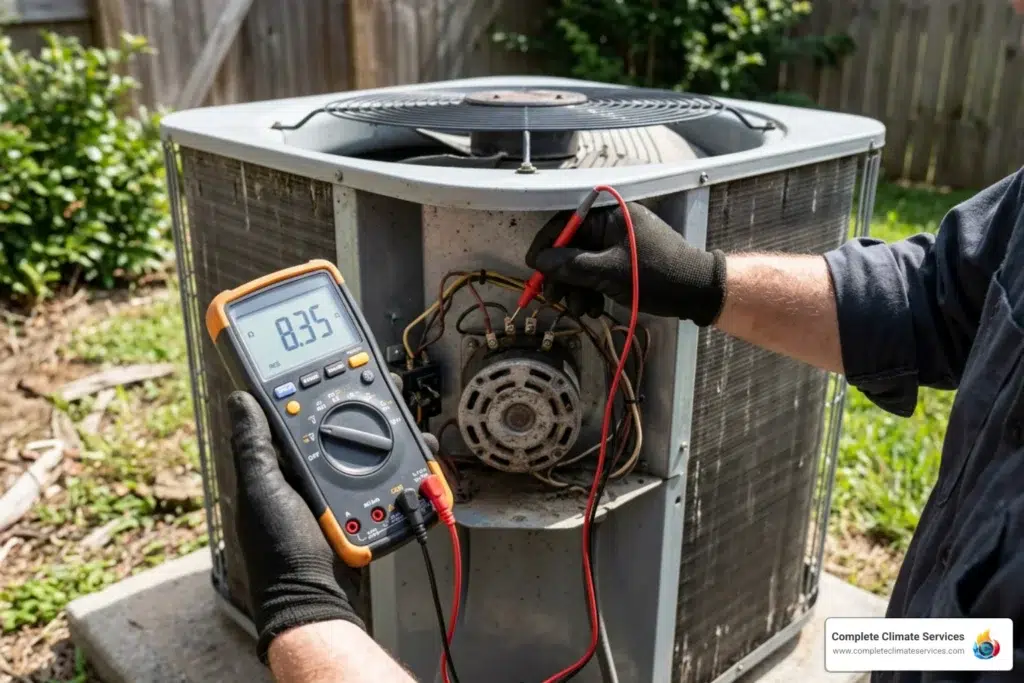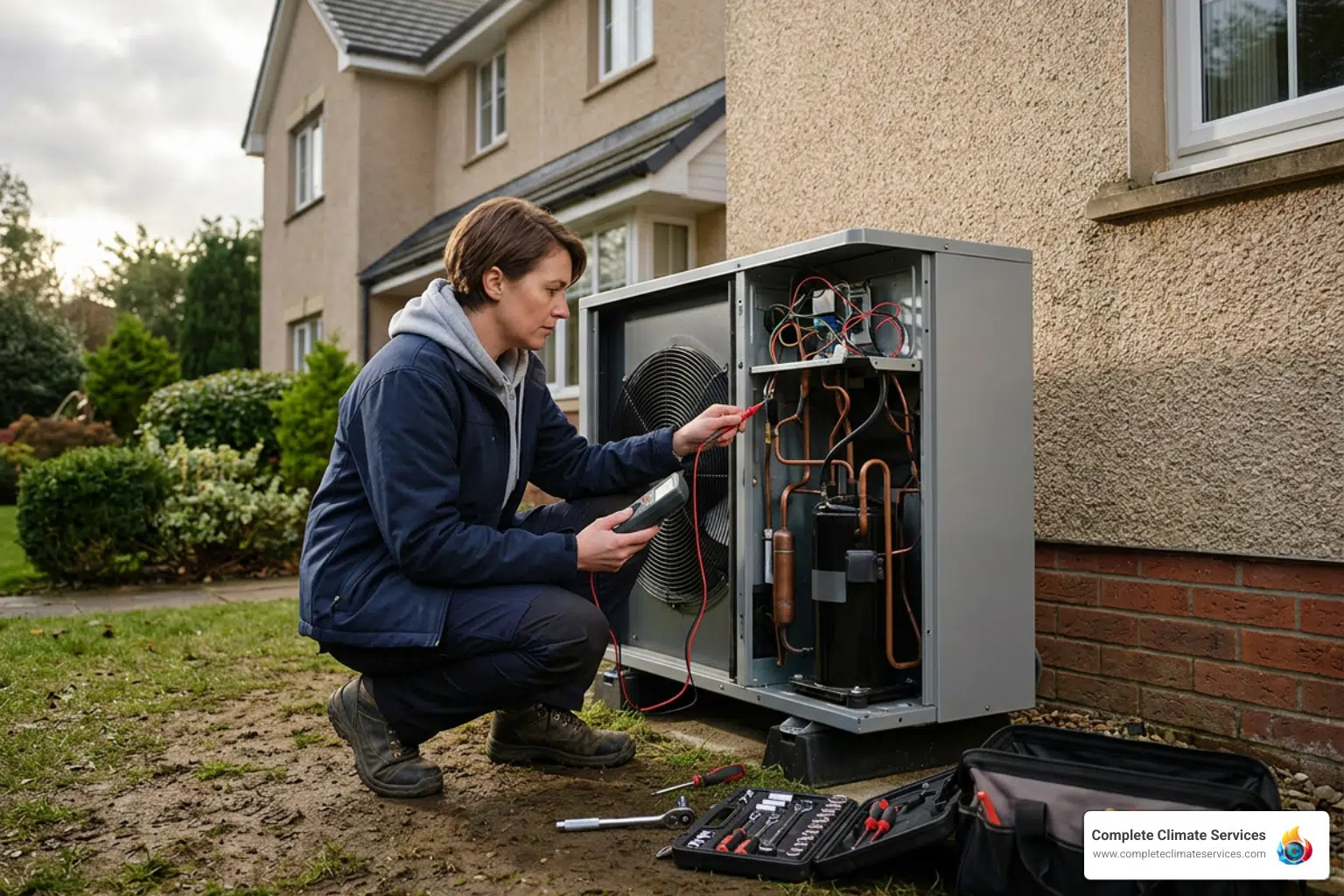
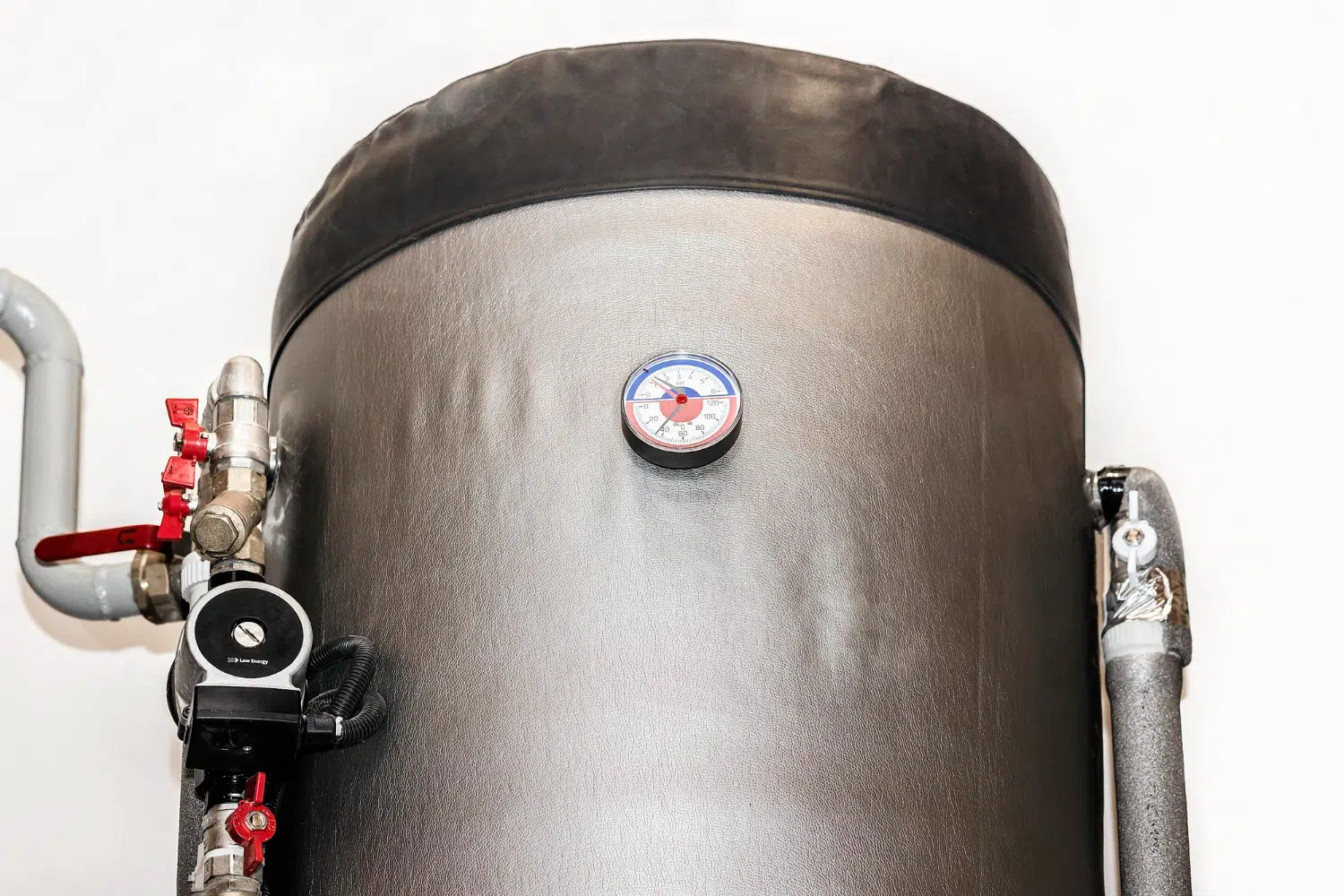
HVAC boiler in cold weather works harder to keep homes warm, especially during long winter stretches in places like Baltimore and Columbia.
When temperatures drop in Maryland, heating systems take center stage. An HVAC boiler does a lot more than just turn on and off. It powers the warmth that keeps your family comfortable during long, icy stretches. By late February in places like Baltimore or Columbia, boilers are working around the clock just to keep up. That’s why it helps to know how they work when it’s cold outside. Knowing your HVAC boiler can help you know what’s normal, what’s not, and when to step in before something shuts down. Complete Climate Services offers boiler installation, repair, maintenance, and replacement throughout the Baltimore area, so we see every day how winter weather can affect different systems.
What an HVAC Boiler Does to Keep You Warm
An HVAC boiler heats water, then moves that hot water or steam through a network of pipes. This heat travels to radiators or baseboard heaters placed around the house. Once the heat spreads out, the water cools down and returns to the boiler to start the process all over again.
This setup works differently from a furnace, which uses air blown through ducts, and it is not the same as a heat pump, which pulls heat from outside air. What makes a boiler stand out is the steady, radiant heat it gives off. Instead of bursts of warm air, you get consistent warmth that many say feels more comfortable, especially in freezing weather.
Since the heat comes from water, not moving air, there’s less temperature swing and fewer dry-air complaints. That can matter when outdoor temperatures stay below freezing for weeks at a time.
How Cold Weather Affects Boiler Performance
Cold puts extra pressure on every part of a heating system. Boilers are no exception. As outdoor temperatures fall, it takes more energy to keep indoor temperatures steady. Pipes may cool down faster between cycles, and the boiler may run more often to make up for heat loss.
Older systems can have a harder time keeping up. You might find that it takes longer to warm up each room or that some spaces never quite hit your set temperature. These little performance changes can signal growing wear inside key parts.
Freezing weather can bring out small issues that were easy to ignore before. A part that worked fine in the fall might start acting up when used nonstop in February. That is where regular inspections matter. A technician can spot early signs of trouble and handle them before they turn into breakdowns.
An HVAC boiler in cold weather may run longer cycles and show early signs of wear if the system is not properly maintained.
Signs Your HVAC Boiler Needs Extra Help This Winter
Some signs of trouble are easy to miss. Others are loud, obvious, or just downright uncomfortable. If any of these show up, your system might be asking for help:
- Heating takes much longer than it used to
- You hear banging, hissing, or knocking sounds from the boiler
- Some rooms stay cold even when the system is running
- You notice leaks, drops in pressure, or other changes in performance
Cold weather can speed up wear on pumps, valves, and other moving parts. If something starts to go bad, it often shows during long winter runs. That’s why small changes in your boiler’s behavior should not be brushed off. Calling a technician sooner can prevent you from waking up to no heat on a freezing morning.
Why Proper Boiler Maintenance Matters When It’s Cold
Boilers don’t just heat water. They rely on a lot of parts working in sync, like thermostats, pumps, and pressure relief valves. In winter, all of these parts have to work harder just to meet the demands of cold indoor air.
Regular checks help keep small problems from turning into big ones. A clogged burner, for example, may not be causing an issue yet, but over time it can reduce how well the boiler heats water. That means longer heating cycles and higher energy use without much payoff. At Complete Climate Services, our boiler maintenance plans include inspections, cleaning, and adjustments to help the whole system run smoothly through cold snaps.
Staying ahead with upkeep also helps the system run more efficiently. Clean components and tight seals mean the boiler doesn’t have to overwork to meet your thermostat’s setting. That keeps things running longer, smoother, and with fewer emergency calls for help.
How Technicians Keep Boilers Running Right in Cold Months
When we check a boiler in mid-winter, we start with a few basics. These steps help keep the system steady even in freezing conditions:
- Checking water pressure and temperature settings
- Looking for any signs of leaks, corrosion, or worn seals
- Bleeding the air from radiators to improve heat coverage
- Inspecting vent pipes and flues for blockages
- Confirming that safety controls are working as expected
These are not things to put off when your boiler is in daily use. Heat loss from neglected parts can sneak up quietly. Then suddenly, you are bundled in blankets, waiting for service on a freezing night. Regular care is one way to avoid that. Our team is also available with 24/7 emergency boiler support, so you are not left without heat if a problem shows up at the worst possible time.
Keep Your Comfort Steady Through Winter Weather
When you know how an HVAC boiler works, issues feel a little less mysterious. Small signs mean more, and routine care makes more sense. Heating systems are built to keep up with winter, but they still need attention, especially during long, cold months.
Winters in places like Baltimore and Columbia leave boilers running day and night. That’s why knowing how these systems respond to cold matters. It helps you stay ready and makes it easier to spot signs before they become big problems. With the right care, your boiler can keep your home cozy straight through the last cold nights of winter.
Frequently Asked Questions
How does an HVAC boiler heat my house?
It pushes hot water or steam through pipes to radiators or baseboards, warming your rooms.
Why does my boiler take longer to heat up in the cold?
When it’s really cold outside, your system has to work harder and may take more time to warm up.
What’s the best way to know my boiler’s working right?
If your heat feels steady, your rooms stay warm, and there are no weird sounds or leaks, things are likely in good shape.
Can I check my boiler myself?
It’s best to let a pro handle that. Boilers have hot water, pressure, and parts that need expert care.
How often should my HVAC boiler be serviced in winter?
At least once a year, and before winter starts is best, but a mid-season visit can help if it’s been running hard.
When your home in Baltimore or Columbia feels chillier than it should, issues with your HVAC boiler could be to blame. Odd noises, longer heating cycles, or uneven warmth are warning signs you should never ignore. At Complete Climate Services, we help you get ahead of unexpected breakdowns so your system keeps you comfortable all winter. Call us today to schedule your professional boiler service.