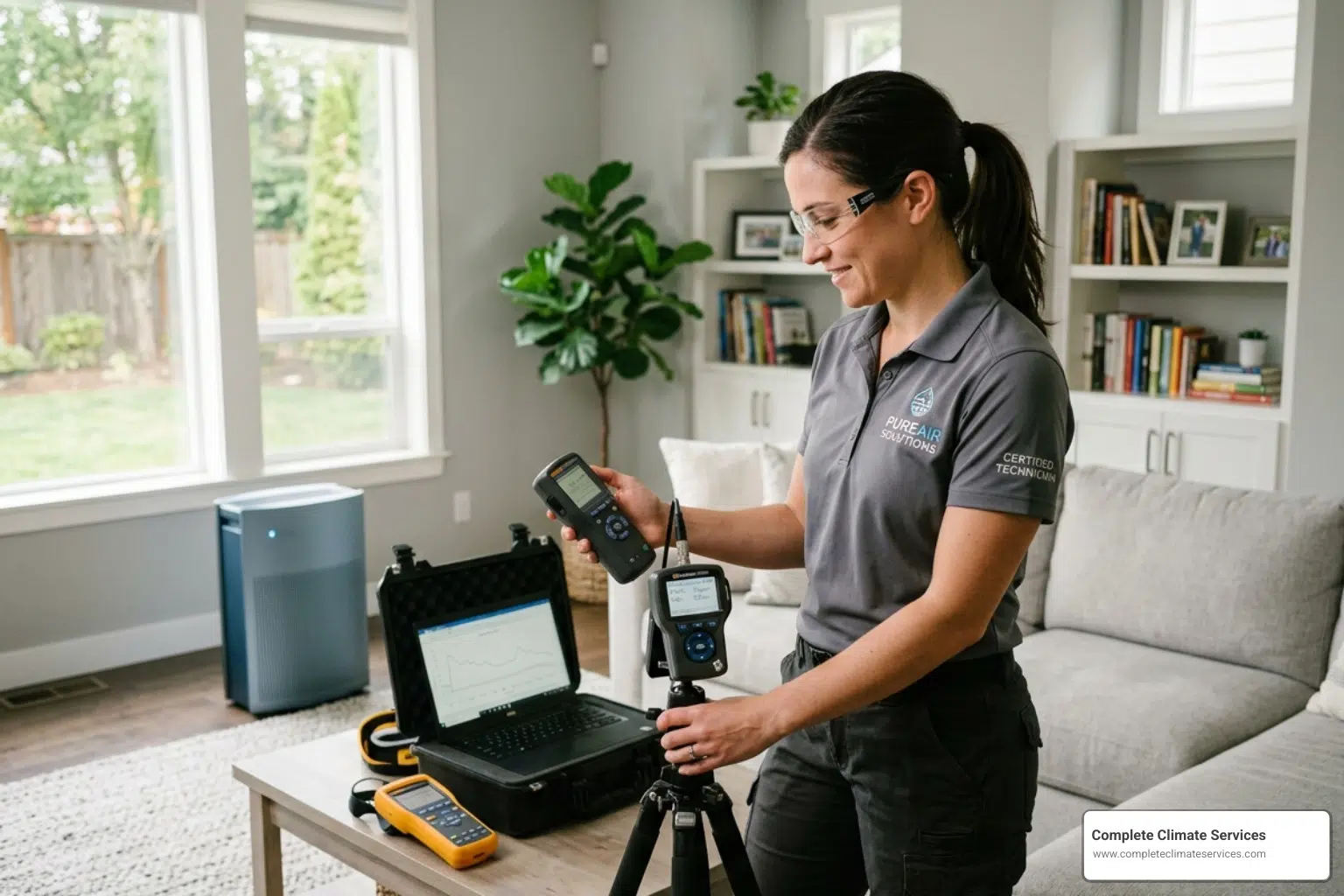

Heat pump auxiliary heat cost can rise quickly during extreme winter temperatures in Maryland, especially when systems rely heavily on backup heating. When temperatures drop into the single digits in Maryland, heating systems are pushed to their limits. For many Baltimore homeowners, this is when energy bills suddenly spike.
Recently, Complete Climate Services was featured in local WMAR-2 News investigation story examining how one homeowner experienced nearly $7,000 in avoidable heating costs after their heat pump relied heavily on auxiliary heat during extreme cold.
The takeaway is simple: understanding how heat pumps behave in Baltimore winters can prevent major financial surprises.
Why Is My Heat Pump Bill So High in Baltimore?
In most cases, the answer is auxiliary heat.
Heat pumps operate efficiently in mild winter conditions. But when outdoor temperatures drop significantly, ice can accumulate on the outdoor unit. When the system cannot extract enough heat from the air, it switches to auxiliary heat.
Auxiliary heat uses electric resistance heating. It works, but it is far less efficient and can use two to three times more electricity than normal heat pump operation.
In extreme cold across Baltimore, Towson, Catonsville, Dundalk, and surrounding areas, we frequently see systems relying on auxiliary heat longer than homeowners realize.
Heat Pump Auxiliary Heat Cost: Why It Gets So Expensive
Auxiliary heat is a built-in backup heating system.
It activates when:
- Outdoor temperatures drop below system design limits
- Ice buildup prevents normal operation
- Thermostat settings are raised too quickly
- The system was improperly sized or installed
Electric resistance heat generates warmth similar to a large space heater. While effective, it consumes significantly more electricity than the standard heat pump cycle.
This is why bills can double or even triple during prolonged cold snaps.
How Cold Is Too Cold for a Heat Pump in Maryland?
Most standard heat pumps begin losing efficiency when temperatures drop below 30 to 35 degrees Fahrenheit. Below that range, they must work harder.
During severe cold events in Baltimore, especially when temperatures fall into the teens or single digits, auxiliary heat often runs frequently unless the system is specifically designed for low-temperature performance.
Proper sizing, installation quality, airflow configuration, and thermostat programming all determine how well a system performs in Maryland winters.
Installation and Setup Matter as Much as Equipment
Many high-bill situations stem from installation and configuration issues, not the equipment itself.
Common problems we identify during winter inspections include:
- Systems incorrectly sized for the home
- Poor airflow or duct restrictions
- Thermostats triggering auxiliary heat too aggressively
- Heat pump units not optimized for local winter conditions
- Smart thermostat misconfiguration
Even high-efficiency systems can perform poorly if setup details are overlooked.
Recently, our team evaluated a heat pump in Towson that was entering auxiliary heat prematurely due to thermostat staging settings. After reconfiguring the system and correcting airflow restrictions, winter energy usage stabilized significantly.
How to Tell If Auxiliary Heat Is Running
If your bill increased unexpectedly, check for these signs:
- Your thermostat displays “AUX” or “EM Heat”
- The outdoor unit appears heavily iced over
- The system runs continuously during cold weather
- Your electric usage doubled compared to previous winter months
If you recently installed a new thermostat and noticed higher bills afterward, the staging configuration should be reviewed immediately.
Small Habits That Prevent Major Winter Bills
Homeowners across Baltimore can reduce risk by:
- Keeping thermostat settings consistent
- Avoiding rapid temperature increases
- Changing air filters regularly
- Scheduling annual heat pump maintenance
- Having system performance evaluated before peak winter
Large temperature jumps often trigger auxiliary heat unnecessarily. Gradual adjustments protect both comfort and efficiency.
Real-World Experience Matters in Baltimore Winters
Every winter cold snap exposes weaknesses in heating systems. We regularly respond to calls throughout Baltimore and surrounding communities where homeowners are concerned about unpredictable bills.
Understanding how heat pumps behave in Maryland’s climate is critical. Weather patterns, humidity levels, and sudden temperature swings all impact performance.
Working with a local HVAC provider familiar with Baltimore’s conditions can prevent costly mistakes before they escalate.
Frequently Asked Questions About Heat Pumps and High Winter Bills
Does auxiliary heat use more electricity?
Yes. Auxiliary heat uses electric resistance heating and can consume two to three times more electricity than normal heat pump operation.
Why did my electric bill double in winter?
In many cases, auxiliary heat ran more frequently during extreme cold, increasing electricity usage significantly.
How do I know if my heat pump is in emergency heat mode?
Check your thermostat display for “AUX” or “EM Heat.” Continuous system operation during very cold weather may also indicate auxiliary heat usage.
Are heat pumps a bad choice for Maryland winters?
No. When properly installed and configured, heat pumps perform well in Maryland. Problems usually stem from installation, sizing, or thermostat setup issues.
Avoid Becoming the Next Winter Utility Shock Story
Extreme cold quickly reveals whether a heat pump system is properly configured. If auxiliary heat is running frequently, energy usage can rise dramatically.
Complete Climate Services helps homeowners across Baltimore:
- Evaluate heat pump performance during severe cold
- Identify installation or configuration issues
- Optimize thermostat staging for winter conditions
- Reduce unnecessary auxiliary heat use
- Prevent long-term energy waste
If your heating bill spiked or your system does not feel like it is operating normally, a professional evaluation can often uncover small issues before they become major expenses.
Schedule a heating system evaluation with Complete Climate Services and protect your comfort and budget this winter. Get your instant quote now.