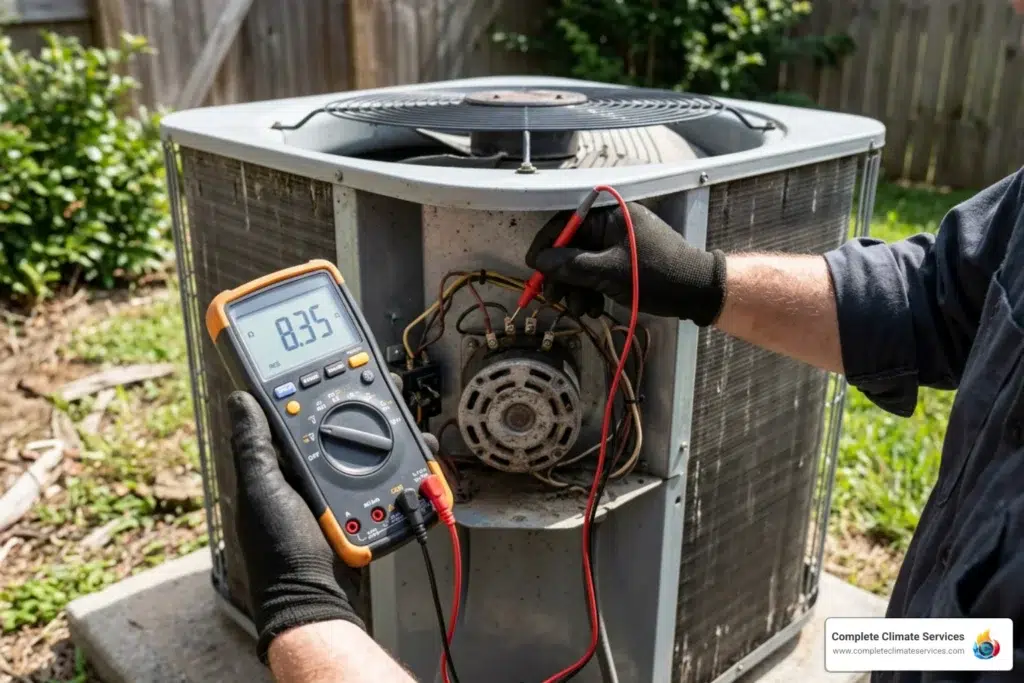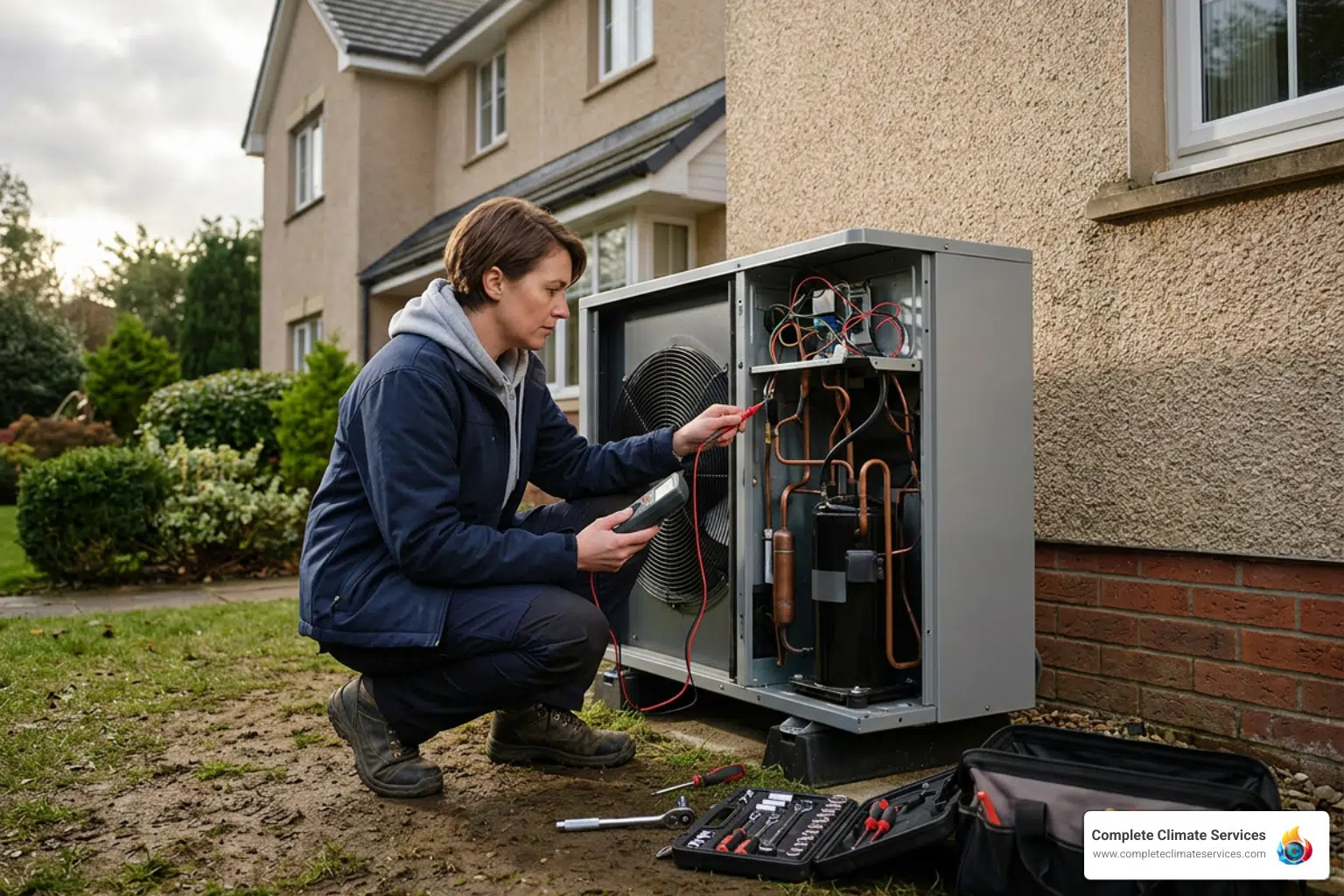

Some rooms just never stay warm in winter, even when the heat is on. In Maryland, you know which parts of your home get hit hardest when cold sets in. Whether it’s the sunroom, the room above the garage, or that half-finished basement, some spots remain stubbornly cold. That’s where a mini split heating system can help.
Instead of relying on ductwork that might not reach every corner, mini splits bring heat directly into the room that needs it. When installed correctly, they can fix cold spots without major construction. Let’s review why some rooms in Baltimore and Columbia never warm up and how adding a mini split turns those spaces comfortable.
Why Some Rooms in Maryland Homes Feel Colder
Not all parts of a house are built the same. Some rooms aren’t made to stay warm, and winter only worsens the problem.
- Bonus rooms over garages often get less insulation, allowing cold air to sneak in
- Basements have concrete walls and floors that hold onto the cold
- Sunrooms feature large windows and thin walls that leak heat
Even if your central heating works well elsewhere, these spots remain hard to heat. Long duct runs may not deliver enough warm air, and blocked or undersized vents can hinder airflow. Older construction, worn seals, and drafty windows add to the problem. In many homes in Baltimore and Columbia, these cold spots persist unless fixed directly. Ductless heat pump systems, often called mini splits, are common in homes without existing ducts or in additions to target these spaces.
What Makes Mini Splits a Good Match for Tricky Spaces
A mini split heating system works differently than traditional forced-air setups. Instead of pushing warm air through ducts, these systems use a small outdoor unit and one or more indoor units that deliver heat directly.
This design offers clear benefits:
- Mini splits heat the room directly, bypassing ductwork issues
- They allow zoning so you can set each room’s temperature individually
- The indoor units save floor space, which is helpful in smaller rooms with limited layouts
Getting the Right Setup for Your Space
Simply installing a mini split is not enough. The unit must be the right size for the space and placed smartly.
A unit that’s too small will run continuously yet leave you cold, while one that’s too large cycles on and off too quickly. The indoor head should face the right direction and be clear of obstructions, and the outdoor unit must be positioned where it is shielded from snow and wind.
Professional setup is important. The installer must secure the connections, check refrigerant levels, and ensure the system works well with your home’s heat retention. A well-planned install leads to fewer issues later.
Winter-Ready Features to Look For
If you’re considering a mini split for Maryland winters, choose a model built for low temperatures. Not all systems work well when it’s freezing outside.
Look for these features:
- Cold-climate rating to keep heating when temperatures dip below freezing
- Inverter-driven motors that adjust output to maintain even warmth
- Automatic defrost settings to keep the outdoor coil clean
These details are important during harsh January mornings or surprise cold snaps in Baltimore and Columbia. While a standard model might stop heating when the weather turns, a cold-weather design stays steady.
What to Expect for Comfort and Control
Mini splits offer more than just heat for one room. They run quietly, with no loud blower noise or dry air.
You can set the temperature using a remote or app without leaving the couch, and the heat remains even instead of swinging like older baseboard or furnace setups. When rooms stay comfortable without dramatic shifts, you use less energy and don’t need constant thermostat adjustments. It simply feels better.
Stay Warm Where It Matters Most
Some parts of a house are harder to heat during Maryland winters. A mini split heating system offers a reliable fix for those persistently cold rooms, whether it’s the room over the garage with chilly floors or a basement that rarely feels inviting in winter. With the right model, smart placement, and professional setup, even the toughest room to heat can become one of the nicest spots.
Since heat pumps can both heat and cool, the same mini split works well in Baltimore’s cold winters and hot summers.
Frequently Asked Questions
How does a mini split heat a single room so well?
Mini splits push warm air directly into the space without relying on ducts. That means there’s less heat lost along the way.
Can mini splits run when it’s below freezing outside?
Yes. Cold-climate models are built to handle freezing days and still keep your room comfortable.
Is a mini split better than a space heater in cold rooms?
In most cases, yes. Mini splits heat the whole room more evenly and usually work more efficiently without the safety risks of plug-in heaters.
Do I need one unit per room?
Not always. One outdoor unit can connect to multiple indoor heads, depending on your layout and heating needs.
Can I control each room’s heat separately?
Yes. Each indoor head has its own controls, so you decide which rooms are heated and when.
When the chill of Maryland winters makes certain rooms in your Baltimore or Columbia home uncomfortable, targeted improvements can make all the difference. Many homeowners turn to a mini split heating system for efficient, customized warmth without a full overhaul. At Complete Climate Services, we’re ready to help you create cozy spaces throughout your home. Just give us a call and tell us what you need.