
Commercial Boiler Warning Signs: Slow Warm-Up or Uneven Heating
If some areas of your building warm up slower than others or certain rooms remain chilly while the heat is on, that is a common red flag. Commercial spaces rely on steady, balanced warmth to keep workers comfortable and equipment safe. When that balance is off, it may indicate circulation or pressure problems caused by a buildup inside pipes or valves that do not open properly. Even small changes can lead to frustration or safety risks, so uneven heating across zones should be taken seriously.
Strange Noises Coming From the Boiler
No boiler should be completely silent, but certain sounds are abnormal. Banging, hissing, gurgling, or loud knocks usually signal that something inside the system is not working correctly. These noises can indicate trapped air, circulation issues, or mineral buildup. When water flow is blocked or disrupted, pressure can build and release suddenly. Gurgling or bubbling suggests air in the system, while hissing may signal a small leak or steam escape. Ignoring these noises can allow minor issues to develop into major repairs or complete failure.
Leaks, Damp Spots, or Pressure Drops
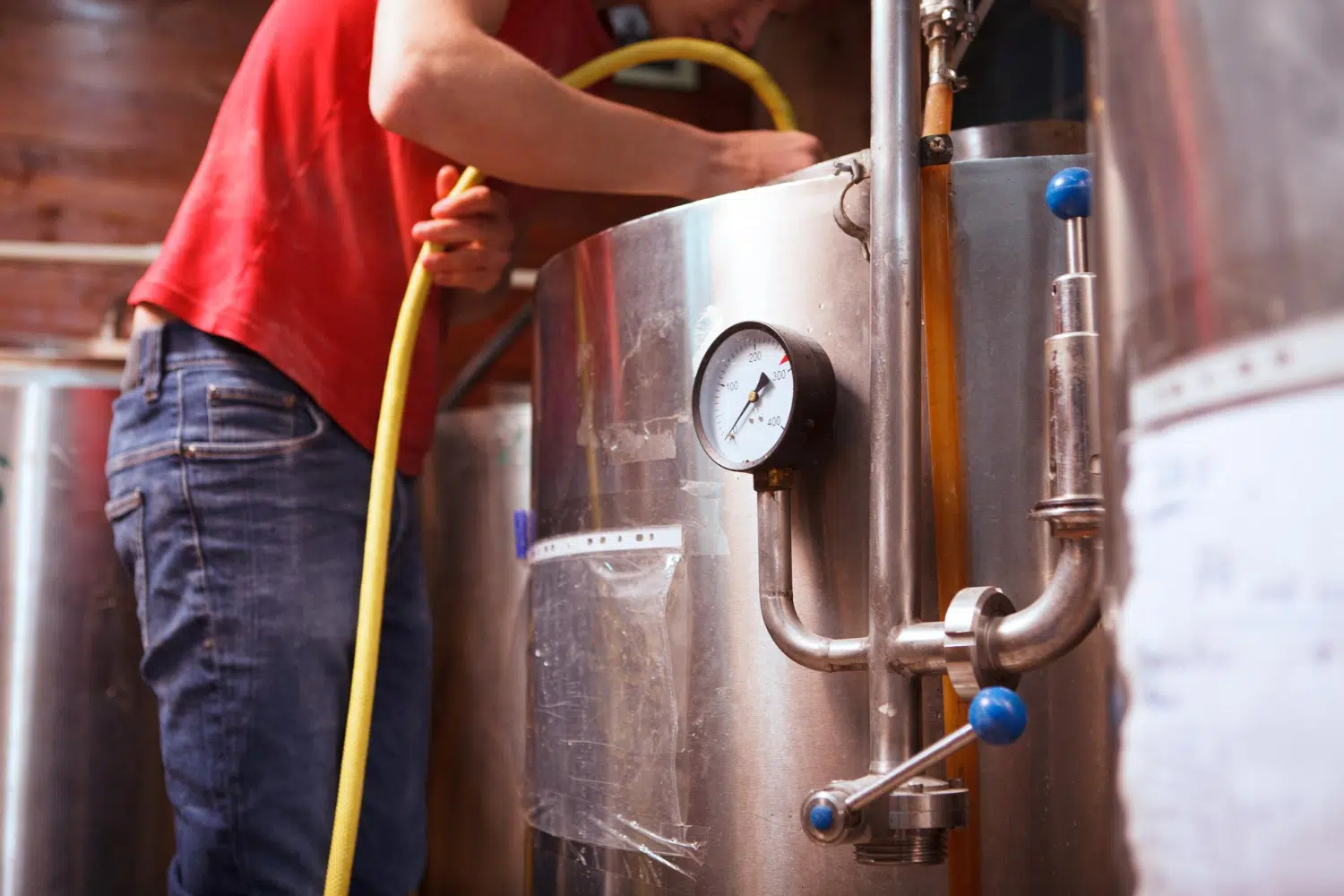
One of the easiest signs to spot is moisture where it should not be. Water puddling near the boiler or damp patches appearing in the basement or mechanical areas could indicate a slow leak. Such leaks may not seem urgent at first, but they can quickly weaken system pressure. Pay attention to readings on the pressure gauge; consistently low numbers or fluctuations can point to internal trouble. Here is what to watch for:
- Water on the floor around the boiler base
- Condensation or pooling near valves or pipes
- A noticeable drop in heating performance within a day or two
Finding leaks early helps prevent problems from piling up when reliable heating is most needed.
Frequent Cycling or Unexpected Shutdowns
When a boiler turns on and off frequently, a condition known as short-cycling, it is trying to fix an internal issue. This constant starting and stopping puts extra strain on motors and parts, as the system does not settle into a stable operation. Sometimes the boiler may shut down on its own due to overheating, blocked airflow, or sensor failure. Even a single unexpected reset can indicate a deeper problem, so a pattern of short cycles or shutdowns should not be ignored.
Visible Rust, Age, or Outdated Controls
Older commercial boiler systems face greater challenges during winter. Over time, rust and corrosion can build up around seals, joints, and other internal parts. Visible rust or flaking paint on pipes may be signs of long-term exposure that is weakening the equipment. Outdated controls also pose problems; if settings are missing, buttons are unresponsive, or scheduled changes do not occur, the boiler may be under additional stress trying to meet demand. Signs of aging can include:
- Rust flecks around joints or vents
- Faded or malfunctioning control panels
- The heating system is not following scheduled changes
Even if a system is over 15 years old and still running, it may lose reliability as winter sets in.
Know the Signs, Stay Ahead This Winter
Commercial boiler systems do not fail all at once. They provide numerous clues when problems begin, especially under the strain of winter in Maryland. Early clues, such as slow warm-ups or abnormal noises, can lead to more significant repair needs if neglected. By closely monitoring your system’s performance, you can stay ahead of failures and avoid unexpected shutdowns when consistent heating is essential. It is not about guessing what is wrong; it is about understanding normal operation so you can act quickly when something is amiss.
Frequently Asked Questions
What’s the difference between residential and commercial boiler systems?
Commercial boiler systems heat larger spaces and often support multiple zones. They typically run longer and require more precise pressure and temperature control than residential units.
How long does a commercial boiler usually last?
With regular maintenance, many systems last around 15 to 25 years. Age alone is not always a reason to replace a unit, but closer monitoring is advisable as systems grow older.
Is it bad if the boiler keeps turning on and off?
Short-cycling, or frequent on and off cycles, puts strain on the system and wastes energy. It usually indicates an issue with controls or sensors that should be inspected.
Why are some rooms colder than others even when the heat is on?
Uneven heating can result from blocked pipes, failing pumps, or stuck valves, and may indicate that the system is not properly balanced.
What’s the best way to spot a hidden leak in winter?
Look for small puddles, damp spots, or a drop in pressure gauge readings. Even a slight pressure change without an obvious cause can signal a slow leak.
When your building in Baltimore or Columbia faces heating challenges this winter, you can trust us to provide expert maintenance, troubleshooting, and upgrades that keep your business operating efficiently. Our technicians service commercial boiler systems across the Baltimore area, and we offer 24/7 emergency support when a problem cannot wait. We handle everything from noisy equipment to pressure drops and unexpected shutdowns, addressing issues linked to aging systems. We deliver reliable, energy-efficient heating through our work on commercial boiler systems. Contact Complete Climate Services today to take the next step.

