How boiler systems for homes work becomes especially important to understand when winter hits Baltimore and steady heat keeps homes comfortable. One of the most dependable heating options, especially in older homes around Maryland, is the boiler. Boiler systems for homes have been around for a long time, and for good reason. They heat evenly, last for years when maintained properly, and usually run quietly once they get going.
How Boiler Systems for Homes Work in Baltimore
If you’re curious about how they work, or thinking about switching to one, it helps to understand the basics before the cold weather sets in. Let’s look at how boiler systems do the job, the types you’ll find in homes, and when to get help if yours starts acting up. A little knowledge now can go a long way later when the temperature drops.
How a Boiler System Works in Your Home
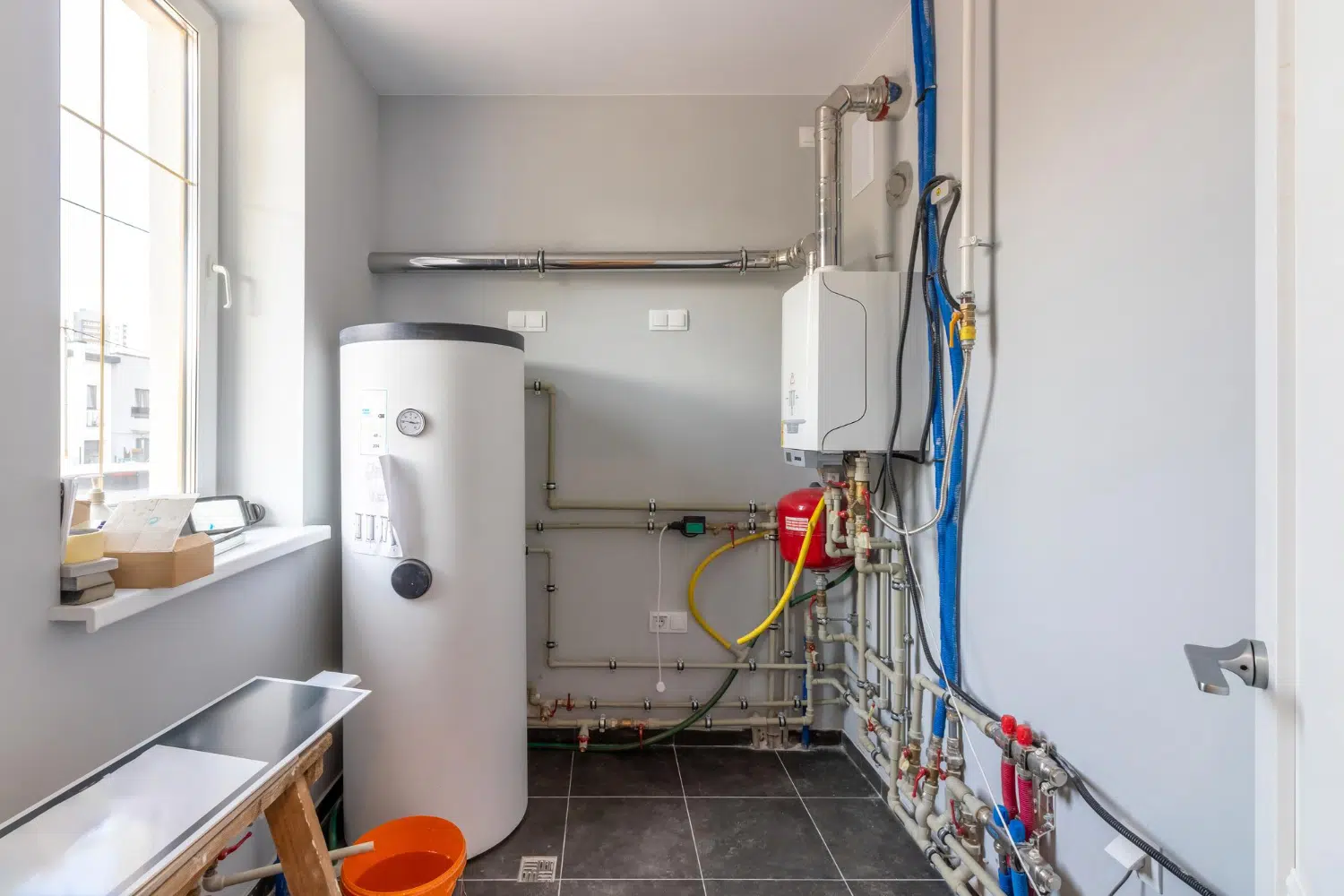
Boiler systems heat your home using hot water or steam instead of blown air like traditional furnaces. Here’s the basic idea. The boiler heats up water using a fuel source like gas or oil. The heated water is then pushed through pipes and delivered to radiators or underfloor systems throughout your house. Those surfaces give off heat, warming the air in your rooms.
There are two main styles:
- Hot water boilers heat water and circulate it through the system, then send it back to the boiler to warm up again.
- Steam boilers boil water until it becomes steam, which then moves through the pipes and radiators to heat each room. The steam cools and turns back into water, which flows back to the boiler.
Radiators are what most people picture when they think of boiler heat, but underfloor radiant heating works just as well and can be more comfortable in certain areas of the home. The process is simple and dependable, which is why boilers still hold up year after year.
Understanding how boiler systems for homes work helps you choose the right type and recognize early warning signs.
Common Types of Residential Boilers
There’s more than one kind of boiler, and they don’t all work the same way. What you choose often depends on energy sources and what’s best for your home layout.
- Gas boilers are the most popular choice, especially in areas like Columbia and Baltimore, where natural gas is common and usually available in neighborhoods.
- Oil boilers are another option, often used in older homes that aren’t connected to a gas line. They work well but require a fuel tank and regular deliveries.
- Electric boilers use electricity to heat water and can be a good option for certain smaller homes, though they may be more effective as backups or for specific areas.
Some homeowners also have the option of choosing between a standard unit and a high-efficiency model. Standard boilers get the job done, but high-efficiency boilers use less fuel, waste less heat, and are better for long-term energy savings. You might also come across condensing and non-condensing models. Condensing boilers capture and reuse heat from the exhaust, while non-condensing models lose more energy through venting.
Signs Your Boiler Might Need Attention
Boilers are sturdy, but that doesn’t mean they’ll run forever without some care. They give off signals when something’s not right, especially during colder months when they’re working hardest. We always suggest watching for anything unusual so you can call for help before it turns into a bigger issue.
Some of the more common signs include:
- No heat at all, or only partial heat in certain areas of the house
- Strange noises, clanking, banging, or loud gurgling when the system turns on
- Uneven heating, such as one room staying cold while another feels warm
- Water leaks around the boiler or visible corrosion on pipes and fittings
A well-maintained boiler should run pretty quietly and heat consistently across all rooms. If something feels off or you’ve noticed that your home doesn’t warm up like it used to, it’s smart to have a professional take a look. Ignoring problems now could mean being without heat when winter really settles in.
Why Professional Help Matters
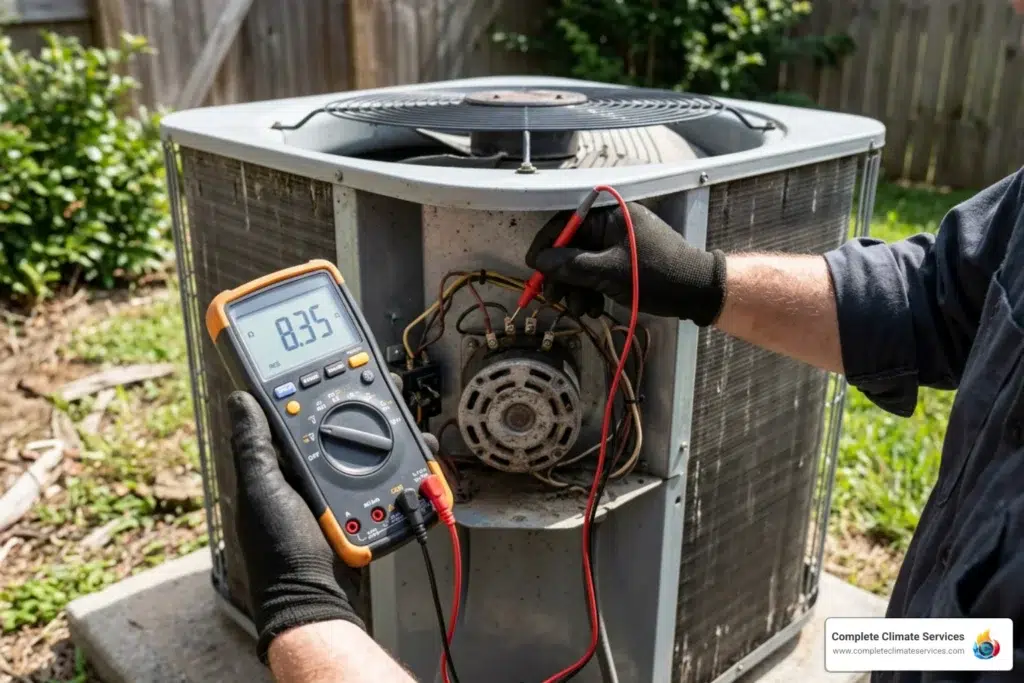
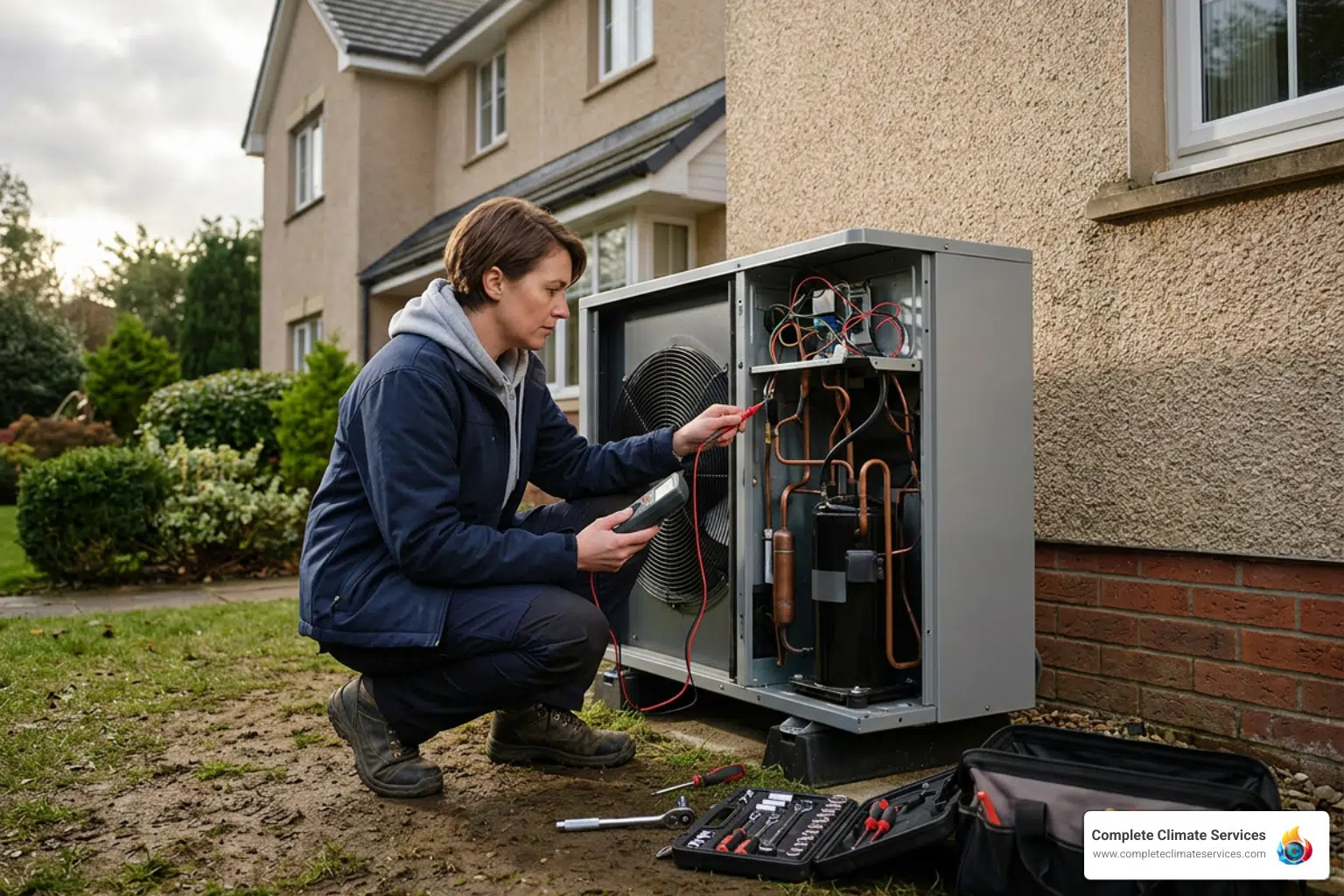
Boiler systems are pressurized, often use open flame heating elements, and sit at the heart of your home’s comfort. Working on one without training isn’t just confusing; it’s not safe.
We always recommend professional HVAC maintenance check-ups from a qualified technician. During a service call, they’ll look for worn parts, test safety features, check wiring, and make sure everything is running properly. Most professionals can spot issues early, long before they turn into full system breakdowns. Winter is a tough season for any home system, so we encourage all homeowners to let someone experienced check that everything’s working the way it should.
Knowing your boiler has been inspected and tuned up brings peace of mind, and it helps prevent surprises during a cold night.
Getting the Most from Your Heating System
Your boiler may make the heat, but how you run your home has a big impact on how well it works. A few small habits can make your system last longer and keep your energy use in check.
- Keep your thermostat steady. Making large temperature jumps throughout the day forces your boiler to work harder.
- Seal windows and doors. Prevent drafts from letting cold air in and warm air out.
- Schedule yearly maintenance. It helps keep the system clean and efficient.
You can also ask questions during a service call. Having a professional walk you through your system can help you learn what to watch for and how to better use the equipment already in your home. For even more tips on keeping your system in top shape, take a look at this helpful home heating system maintenance guide.
Keep Your Boiler Running Smoothly All Winter Long
Staying comfortable during a Baltimore winter starts with understanding your home’s heating system. Whether you have an older hot water boiler or just had a new system installed, knowing how it works helps you spot problems faster and keeps you better prepared in case anything goes wrong.
Boilers can bring quiet, steady heat that feels different from other systems, delivering comfort during chilly months. With the right care and regular check-ups, they’ll keep doing that year after year without much fuss or interruption. Learning the basics now helps you feel in control when the cold weather rolls in. Trusting trained professionals with inspections and repairs keeps your setup running the way it should when it matters most.
Ensure a warm and comfortable home this winter by understanding the importance of boiler services. Complete Climate Services is here to provide expert boiler maintenance and repair, ensuring your system operates smoothly all season long. Don’t wait for the cold to settle in—reach out today and ensure your home stays cozy and efficient through every winter chill.