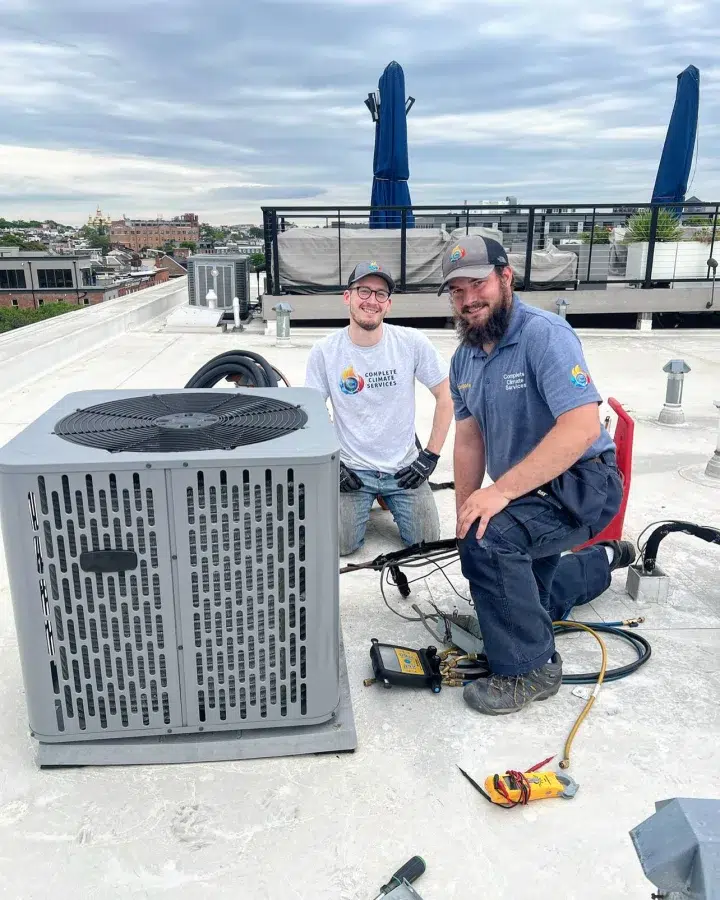

A mini split heating system can be a smart option for Maryland homeowners looking for a different way to heat their homes in the winter. These systems can offer more control, better efficiency, and flexible installation compared to traditional heating setups. But with the way winter hits in places like Baltimore and Columbia, it’s fair to wonder if a mini split can really keep up when the cold sets in.
Maryland winters aren’t always brutal, but they can bring freezing temps, wind, and quick weather changes. Those conditions make heating a bit tougher than what you’d see in warmer states. That’s why more people are asking if a mini split heating system is a good fit for local homes. Thinking about switching or adding one? Let’s break it down.
How Maryland Winters Challenge Heating Systems
Cold seasons in Maryland aren’t just about snow. You’ll see freezing air, dampness from rain or flurries, and icy wind that cuts right through. In Baltimore and across Columbia, winter days often bounce between chilly and bone-cold in just a few hours. Those wild swings make it hard for heating systems to keep pace.
Any home heating setup has to handle quick outdoor temperature changes. A sunny afternoon might drop to a cold night without much warning. During those swings, systems that can’t handle the fast shift may leave some rooms too cold while others get too warm. That’s where efficiency starts to matter.
If a system runs constantly but still doesn’t get the job done, it ends up working harder and drawing more power over time. This is especially true on windy, wet days, which press cold air into every little gap and vent. In older houses or places with poor insulation, heat loss can turn into a big issue fast.
Maryland winters sometimes cause power dips or brief outages. That can throw off how heating systems perform. A reliable, steady system—not just a powerful one—matters most during these unpredictable months.
How Mini Split Heating Systems Actually Work in Cold Weather
A mini split heating system uses heat pump technology. It pulls heat from the outside air and moves it inside. This sounds strange for winter, but even cold air still contains heat that these units can gather and deliver.
Older heat pumps struggled once temperatures dropped close to or below freezing. Modern mini splits do better, though, with some models still working down into the single digits. Picking the right model and proper indoor and outdoor placement can make a strong difference for Maryland’s tricky climate.
Key to this is matching the system to your home and your usage. Not all mini splits handle deep cold the same way. Some are sold as all-season models made for severe winters, while more basic options work better during mild stretches. Investing in the right size and quality makes a real impact once the worst weather comes through.
Homeowners should think about how well their house will work with this style of system. A trusted company will ask about your space, layout, and heating needs before recommending a setup. Complete Climate Services provides mini split installation and advises on proper sizing to help homeowners avoid underpowered or overworked systems.
Factors That Affect Mini Split Performance in Maryland Homes
Not every house will get the same benefit from a mini split heating system. Maryland homes, especially those around Baltimore and Columbia, come in many shapes and layouts.
– Insulation is key. Older homes without much insulation can lose heat quickly, and mini splits may struggle to keep up on the coldest nights.
– Room layout matters. Open floor plans heat up faster, while smaller, closed-off spaces might need more units or careful placement.
– Some setups use multiple indoor heads or zones. This lets you heat certain rooms or sections as needed. You won’t have to heat empty guest rooms or unused basements if you don’t want to.
Installation is another big factor. A system placed incorrectly or with wiring shortcuts won’t run as well as it should. The full layout—electrical, mounting, and line path—should fit your home’s needs, not just the quickest install.
Working with a seasoned company helps here. Complete Climate Services sends pros who are familiar with Baltimore and Columbia homes and how winter conditions can affect system performance. They’ll help you plan zoning and offer tips for maximizing comfort.
Pros and Limits Compared to Traditional Heating
Many homeowners in Maryland consider switching to a mini split heating system for several solid reasons:
– No bulky ductwork, which saves space and can reduce heat loss
– Control over zones, so different rooms can be different temperatures
– Potential for lower energy bills by only heating the space you actually use
That said, there are limitations. When the mercury really drops, even the best mini split might lose some power, so extremely cold nights could require backup heat. This is especially worth thinking about in poorly insulated homes or if your model isn’t designed for tough winter weather.
Another factor is the house itself. Thin walls, old windows, or generally drafty structures make it harder for any heat pump to keep up. Mini splits are not always a complete swap for every situation. Most work best as a primary system in tight, well-sealed homes or as a supplement alongside other heat sources.
Overall, think of mini splits as part of an efficient strategy, not always a full-on replacement unless your place is suited for them.
Keeping Your Mini Split Reliable Through Winter
Even top mini split systems need routine care to stay strong during the winter months. Daily upkeep is simple but matters.
– Stick to a routine temperature schedule instead of changing settings all the time. Repeated ups and downs are less efficient.
– Make sure the outdoor part of your system stays clear of snow, ice, or yard debris. This prevents blockages that make it harder for the unit to pull in air.
– Early fall is the best time to get your system checked, clean or swap out filters, and make sure everything fires up the way it should.
Many problems are simple to prevent. Dirty filters, blocked fans, or skipped maintenance checks all lead to weak performance when it’s coldest outside. Upfront attention is what keeps the system humming across every cold snap.
What to Expect from Mini Splits in Maryland Cold Months
With the right installation and maintenance, a mini split heating system can handle most of what Maryland’s winters throw at it. While these systems are not magic, they do provide clean, even heat in many types of homes throughout Baltimore and Columbia.
No heating solution does the whole job perfectly on every day. But careful layout, smart installation, and yearly checkups help mini splits deliver steady warmth through the roughest weather. For those who want comfort, flexibility, and simple control without the mess of ducts, a mini split is a strong choice for the season ahead.
FAQs
Do mini split heating systems work when it’s below freezing?
Yes, most modern mini splits still work when the temperature drops below 32°F. Some models are rated for even lower temperatures. Make sure your system is designed for local weather.
Will a mini split heat my whole house?
It depends on your home size and how many indoor units you use. Some setups heat the whole house, while others target key rooms.
Do mini splits blow out hot air like a furnace?
Not exactly. A mini split puts out steady, gentle warmth that fills the space over time. It is quieter and less forceful than older blowing systems.
Can I turn off the mini split when I leave home?
You can, but lowering the temperature works better than shutting it off completely. Turning it off can make the system work harder to catch up later.
How often does a mini split need service?
It’s smart to check your system once each year, especially before winter. Clean filters and a quick look at the outdoor unit will keep things running smoothly.
Looking for a more flexible way to stay warm during the colder months in Baltimore or Columbia? Whether you’re replacing an old system or planning ahead for a new home, the steady comfort of a mini split heating system could be the right match. These systems work great in homes that need room-by-room control and don’t have existing ductwork. At Complete Climate Services, we’ve helped many local families stay comfortable as Maryland weather shifts from chilly mornings to freezing nights. Give us a call and let’s figure out what setup works best for you.