
HVAC boiler vs furnace is a question many Baltimore homeowners ask as winter approaches. As Baltimore settles into late November, heat becomes less of a comfort and more of a necessity. Cold nights and sudden weather shifts put home heating systems to the test. That’s usually when problems start to show up—no heat in the morning, strange sounds from the basement, or a system that just won’t kick on when it should.
When heating trouble starts, a lot of homeowners ask the same question: Is it better to have a furnace—or an HVAC boiler—handling the cold? It’s a good question because the systems work in different ways and offer different kinds of comfort. Knowing which one you have and how it works can help you handle breakdowns faster and plan better for future repairs or upgrades. They both do the job, and both have strengths, but the right choice often comes down to what fits your home best.
How an HVAC Boiler Works
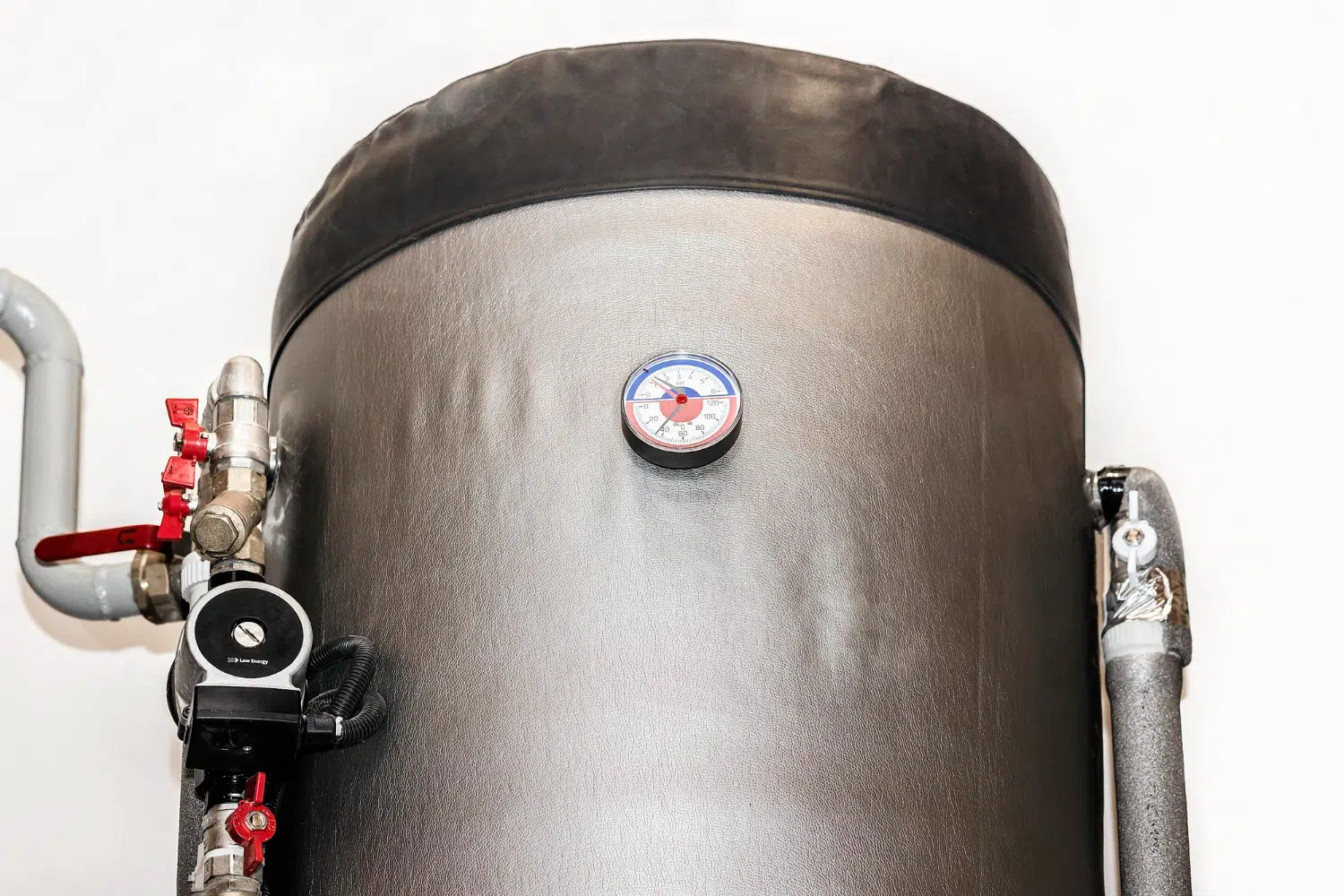
An HVAC boiler doesn’t use air to heat your home. It uses water. The system heats water inside the unit, then pushes that hot water through metal pipes into radiators or baseboards. As the hot water moves through the system, it spreads heat through each room. You won’t hear much noise because there’s no fan blowing air around.
Homes with boilers often feel a bit cozier in winter. The heat comes out slower but feels steadier, and there’s less of that dry-air feeling you sometimes get with forced air. Rooms tend to heat evenly, and if you sit near a radiator, it puts off a warm, calm kind of comfort.
Since no ductwork is involved, the system doesn’t stir up dust or blow air through vents. That can be a bonus for people with allergies. Boilers are usually quieter overall, especially when compared with furnaces that use fans kicking on and off throughout the day.
Complete Climate Services provides maintenance and repair for HVAC boiler systems and offers professional diagnostics to homes around Baltimore and Columbia.
How a Furnace Works
A furnace heats air instead of water. Once it warms the air to a set temperature, a blower sends it through ductwork and out vents in each room. If you already have AC set up in your home, the furnace might be using the same system of ducts. That can be convenient and often makes installation easier if you’re setting up heat and AC in the same place.
Furnaces work fast, and many homeowners like the rush of warm air you get right away after turning up the thermostat. But sometimes, that powerful airflow doesn’t heat the space as evenly. One room might feel great, and another might lag behind. The fan noise can be noticeable too, especially when it starts up first thing in the morning or after sitting idle.
The strong airflow helps push heat into every corner, which can be helpful in bigger homes or places with lots of turns in the ductwork. With a good filter in place, some people find it helps cut down on dust during the winter months.
HVAC Boiler vs Furnace: Side-by-Side Comparison
When comparing boilers and furnaces, it helps to look at a few things we all care about—how fast the heat shows up, how comfortable it feels, and how much work it takes to keep things running in the winter.
– Speed: Furnaces typically heat the room faster. Boilers create a slower, more consistent heat.
– Comfort: Boilers tend to warm the space evenly with less airflow. Furnaces deliver quicker bursts but can feel uneven.
– Noise: Boilers are usually quieter. Furnaces use fans that make more noise.
– Maintenance: Furnaces need regular filter changes and blower checks. Boilers need the water pressure and radiators monitored and flushed over time.
– Fit for space: Boilers often work well in older homes in Baltimore or Columbia that already have radiator plumbing. Furnaces can be easier to install in homes with existing ductwork.
Over a long Baltimore winter, both systems are capable. But when temperatures drop hard and stay there, you’ll notice the differences more clearly. Drafts, uneven heating, or noisy system starts might happen more often with one than the other, depending on your setup.
Common Signs It’s Time to Take a Closer Look
Cold spots, strange noises, or a heating system that just doesn’t feel right—those are the signs we hear about most in winter. Whether you have a furnace or an HVAC boiler, both systems can start to show little glitches that grow worse when outdoor temps stay low night after night.
Watch for:
– Sudden drops in warmth, especially from one part of the house to another
– Clanking, banging, or whooshing sounds that weren’t there before
– Unusual smells, like something metallic or burnt
– Unexpected spikes in your energy bills
– A system that clicks on more often than it used to or seems to struggle staying on
When snow’s stacking up outside, or the wind chill keeps hitting the teens, you don’t want to be guessing whether your system can keep up. Getting ahead of HVAC problems means paying attention now so you’re not out of heat during a January freeze.
Stay Winter-Ready in Baltimore
No two homes are built the same. What keeps one house warm and steady might not work for another a few blocks away. Some homes in older Baltimore neighborhoods have cast-iron radiators from decades ago. Others have central air and forced heat coming through ceiling vents. The systems vary, and so do the needs.
Late November is the right time to notice how your home feels and jump on anything that seems off. It’s never fun to lose heat during a holiday week or cold snap, especially if repairs get delayed because so many others are calling for help too.
Early troubleshooting helps you avoid the crowd. Little things like weak airflow or slow warm-up might seem small now, but they can turn into bigger problems if left alone. Getting things sorted while the weather is still dropping gives you more breathing room before the real freeze arrives.
When You Know How Your Heat Works, You Worry Less in Winter
Whether your home uses a furnace or an HVAC boiler, one thing stays true—knowing what you have and how it works can make all the difference. When something feels off, it helps to know whether to look at the ducts or the radiators or simply call for support right away.
November is the best time to figure that out. There’s just enough time to fix small issues before they grow bigger. And when winter slams in full force around Baltimore or Columbia, you’ll be glad your heat doesn’t skip a beat.
FAQs
What’s the difference between a boiler and a furnace?
A boiler heats water and sends it through pipes to warm your home. A furnace heats air and pushes it out through vents. Both warm your space, but they do it in different ways.
How do I know if I have an HVAC boiler or a furnace?
Look around your home. If you see metal grates and feel warm air blowing out, that’s a furnace. If your heat comes from radiators or baseboard panels and no air blows through vents, you’ve got a boiler
Which one lasts longer—a boiler or a furnace?
Boilers often have a longer lifespan when they’re well taken care of. But both will last many years with proper maintenance along the way.
Can I switch from a furnace to a boiler?
It’s possible, but it’s a big job. You’d need new plumbing for heat and likely take out your ducts. Talk it over with someone who knows both systems well before jumping in.
My heat works, but one room stays cold—what’s wrong?
Could be a vent problem if you have a furnace or trapped air in the radiator with a boiler. Either one needs a professional to take a closer look.
When your radiator system in the Baltimore or Columbia area isn’t heating like it should, don’t wait for winter problems to pile up. Slow warm-ups or uneven temperatures can be early signs that your system needs a little attention. Knowing how an HVAC boiler works can make it easier to spot small issues before they turn into bigger ones. Let Complete Climate Services help keep your heat running smoothly, so you stay warm no matter how cold it gets. If things feel off, let’s take a look.