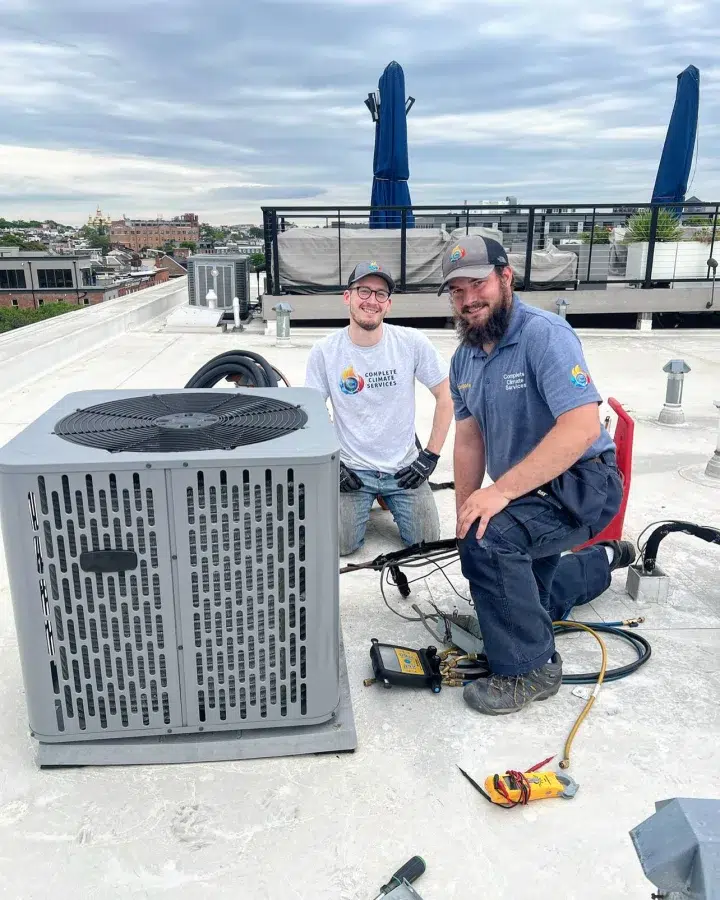

As colder weather starts to take hold in Baltimore, your boiler becomes one of the most reliable parts of your home’s heating system. To keep it performing the way it should, regular maintenance is key. Skipping routine checkups can lead to unexpected issues, high energy bills, or even full system breakdowns at the worst possible time. On the other hand, a well-maintained boiler tends to run more efficiently, heat your home more evenly, and last a lot longer than one that’s been ignored.
Even the best boilers need a little care to stay in shape. That doesn’t always mean major effort or expensive upgrades. In fact, most of what helps a boiler perform better comes down to a series of simple maintenance steps and timely checks. With colder months approaching, understanding how your boiler works and giving it the attention it needs can save you stress, money, and chilly nights indoors.
Understanding Your Boiler System
Boilers may seem complex at first, but once you understand the basics, they’re not too tough to grasp. In Baltimore homes, you’ll typically find one of three types: gas, electric, or oil-fired. Gas boilers are common since natural gas is widely available in the area. Electric boilers are often smaller and quieter, while oil-fired units are typically used where gas access is limited.
Here’s a quick breakdown of the key parts that make up a boiler system:
– Burner or heating element: This is what actually heats the water
– Heat exchanger: Transfers the heat from the burner or element to the water
– Circulator pump: Moves the hot water through your radiators or baseboard heaters
– Expansion tank: Absorbs extra volume as water expands during heating
– Thermostat and controls: Manage temperature and trigger on and off cycles
– Pressure relief valve: Keeps the pressure from building up too much
These components work together to provide safe and even heating across your home. When one part stops pulling its weight, the whole system feels it. That’s why recognizing your boiler’s layout and understanding roughly how each part functions can help you spot problems faster.
For example, if your radiators feel unevenly warm or take longer to heat up, it could be a circulation pump issue. That’s something your technician should know right away. You don’t need to be an expert, but having a bit of knowledge will help when speaking with a professional or making decisions about repairs.
Routine Maintenance Tips
Keeping on top of maintenance extends the life of your boiler and helps it run better throughout the heating season. Here are some useful steps:
1. Regular Inspections: Have a professional check your boiler at least once a year. This helps catch small issues before they become big ones.
2. Check for Leaks: Look around for any signs of water. A leak can be a sign of a failing seal or worn pipe. If you see any water, schedule a service call.
3. Ventilation Matters: Your boiler needs good airflow to work safely. Clear away clutter or stored items that might block vents or air supply.
4. Clean Components: Dust and dirt buildup can slow down how your system works. Wipe off accessible parts like exterior panels, and let a pro handle internal cleaning like filters or burners.
Simple actions like these, especially when done before and during the colder months, can mean fewer surprises and better heating performance.
Seasonal Maintenance Checklist
Your boiler doesn’t need attention only when it’s cold out. It benefits from care throughout the year. Following a seasonal checklist helps keep things on track, no matter the weather.
– Autumn Preps: Early fall is the best time to test your boiler. Switch it on for a full cycle to check for strange sounds or delayed heating. If something seems off, you’ll catch it before the cold really kicks in.
– Spring Shutdown: After heating season, give your boiler some post-use care. Shut it off properly and consider draining the water if recommended for your system type. Clean around the unit to prevent dust settling during the off-season.
– Pro Maintenance Visits: Just like your car needs oil changes, your boiler needs scheduled care. A professional visit during seasonal transitions can improve energy use and provide peace of mind.
This ongoing care helps extend the life of your system and can prevent sudden repairs or cold showers during winter.
Troubleshooting Common Boiler Issues
Even boilers in great condition can show signs of trouble now and then. When that happens, paying attention to symptoms can help you explain things better when you make a service call.
– Strange Noises: Clanking, gurgling, or other odd sounds may point to issues like air in the system or internal buildup. These might sound small but can quickly get worse.
– Uneven Heat: If rooms in your home are heating at different rates, or some feel cold while others are toasty, your radiators may need balancing or your circulator pump might not be working the way it should.
– Pilot Light Problems: If you have an older boiler and the pilot light keeps going out, it might be a faulty part or something as simple as a draft. Either way, it’s not something to ignore.
If any of these problems pop up, don’t try to push through the season hoping it won’t get worse. Calling a professional early can keep minor annoyances from becoming bigger issues.
Keeping Heat Reliable and Stress-Free
A dependable boiler is one you barely have to think about. Getting to that point means regular upkeep, seasonal check-ins, and knowing when it’s time to call in a professional. Taking small steps throughout the year helps prevent bigger challenges when the temperature drops.
Baltimore winters can be tough, so having a system that keeps up with your needs makes all the difference. We recommend setting reminders for seasonal care and making a habit out of looking over your boiler every few weeks during heavy use months. When something doesn’t seem right, don’t wait. Our team is always ready with expert solutions to get things back on track and keep your home warm.
Frequently Asked Questions
How often should I schedule boiler maintenance?
At least once per year is a good start. For older systems or those working extra hard during winter, twice a year is even better.
What kind of boiler is best for my home?
It depends on things like access to natural gas, the size of your home, and energy costs. A technician can help you compare options like gas, electric, or oil.
Why is my boiler making loud banging noises?
This is often caused by trapped air or buildup inside the heat exchanger. It’s safest to call a professional to take a look as soon as possible.
Can I clean my boiler on my own?
You can lightly clean surfaces around your boiler and keep vents clear, but internal parts should always be handled by a licensed professional.
Should I turn my boiler off in summer?
If your boiler only heats the home and not hot water, yes. Turning it off and draining it at the end of the heating season will help prevent scale and rust.
To keep your home warm and your boiler running efficiently, don’t overlook the benefits of professional care. Learn how expert boiler services from Complete Climate Services in Baltimore can help you avoid costly breakdowns and enjoy worry-free comfort all year long.