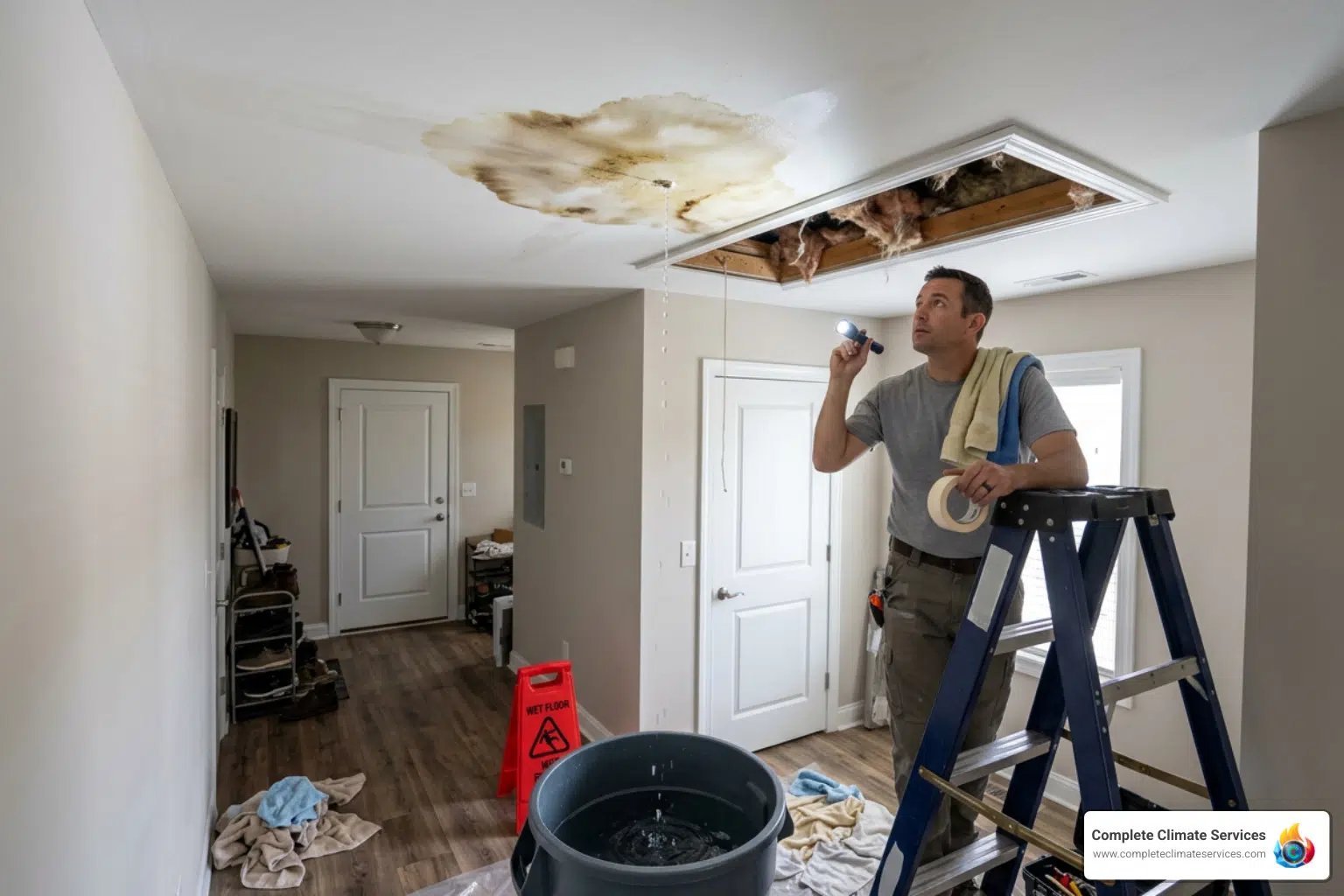

Why Finding Reliable Boiler Services Matters for Your Home or Business
Boiler services cover everything from routine annual maintenance to emergency repairs and full system replacements — and choosing the right provider makes a real difference in safety, comfort, and cost.
Here’s a quick overview of what boiler services typically include:
| Service Type | What It Covers |
|---|---|
| Annual Maintenance | Safety checks, cleaning, combustion analysis, efficiency tuning |
| Boiler Repair | Diagnosing and fixing faults, leaks, ignition issues, pressure problems |
| New Installation | Replacing old systems or installing boilers in new properties |
| Emergency Service | 24/7 response to sudden breakdowns or heating loss |
| Maintenance Plans | Scheduled visits, priority service, and repair discounts |
Your boiler works quietly in the background — until it doesn’t. A breakdown in the middle of a Baltimore winter isn’t just uncomfortable. It can be dangerous. Carbon monoxide risks, frozen pipes, and skyrocketing energy bills are all real consequences of a neglected system.
The good news? Regular servicing can cut energy bills by up to 35% and extend your boiler’s lifespan to 20 years or more. The challenge is knowing how to find a provider you can actually trust.
I’m Michael Holcomb, Co-Founder and Operations Manager of Complete Climate Services, and I’ve spent years helping Baltimore homeowners and businesses navigate boiler services — from routine tune-ups to complex commercial repairs. In this guide, I’ll walk you through exactly how to find a reliable provider, what to expect from a service visit, and when to repair versus replace.
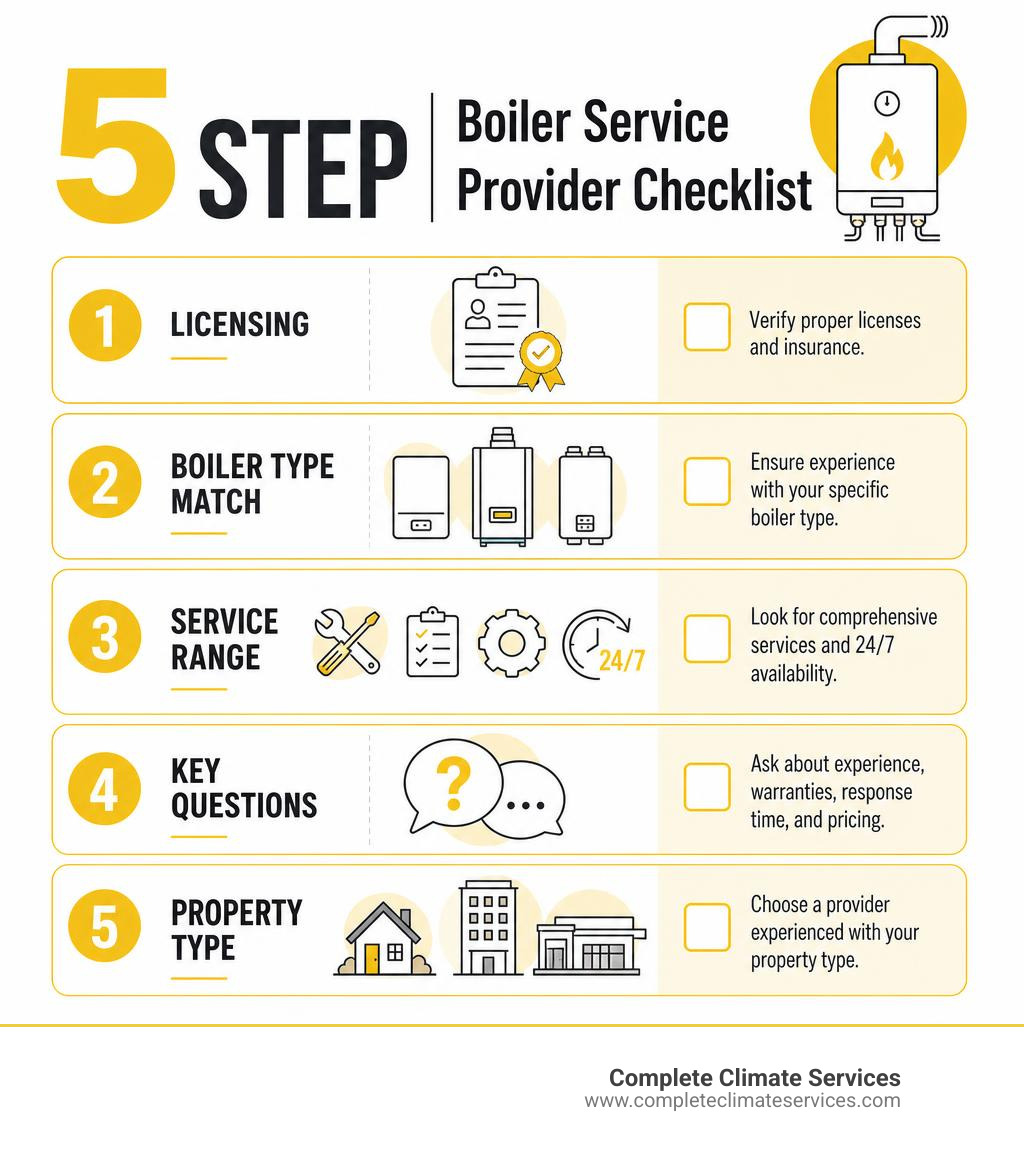
5 Ways to Find Reliable Boiler Services
When the cold weather rolls into Maryland, a fully operational heating system is non-negotiable. Whether you live in Dundalk, manage a retail space in Ellicott City, or run a facility in Towson, finding a dependable partner for your boiler services requires careful vetting.
To help you cut through the noise, we have compiled the five most effective ways to identify a trustworthy boiler service provider. By looking for the right trust signals, ensuring they have robust emergency support, and confirming their knowledge of both residential and commercial systems, you can secure reliable heating all winter long.
1. Verify Licensing, Insurance, and Technician Credentials
First and foremost, never let anyone touch your boiler unless they are fully licensed and insured. Boilers are complex pressurized vessels that utilize gas, oil, or electricity to heat water or create steam. A mistake during a routine service or repair can lead to catastrophic water damage, system failure, or highly dangerous carbon monoxide leaks.
- US Licensing and Code Compliance: In Maryland, technicians must hold active mechanical licenses to legally perform boiler work. This ensures they are trained in the latest safety codes and combustion safety standards.
- Liability Insurance: A reputable company carries comprehensive liability insurance and workers’ compensation. This protects your property and ensures you are not held liable in the rare event of an accident.
- Carbon Monoxide and Combustion Safety: Properly licensed technicians use specialized equipment to verify that your gas or oil connections are secure and that your flue is venting toxic combustion gases safely out of your home.
- Warranty Protection: Many manufacturers will void your warranty if a non-licensed individual services or repairs the unit. Hiring credentialed pros ensures your investment remains fully protected.
2. Match the Provider to Your Boiler Type and Property
Not all boilers are created equal. A technician who is highly skilled at servicing a compact residential combi boiler might not have the specialized training required to handle a massive, low-pressure steam boiler in an older commercial building in Baltimore City.
Before hiring a company, make sure they have direct experience with your specific type of boiler:
- Steam Boilers: Common in historic homes and older commercial buildings across Baltimore and Catonsville. They require precise water level management, skim cleaning, and specialized pressure control adjustments.
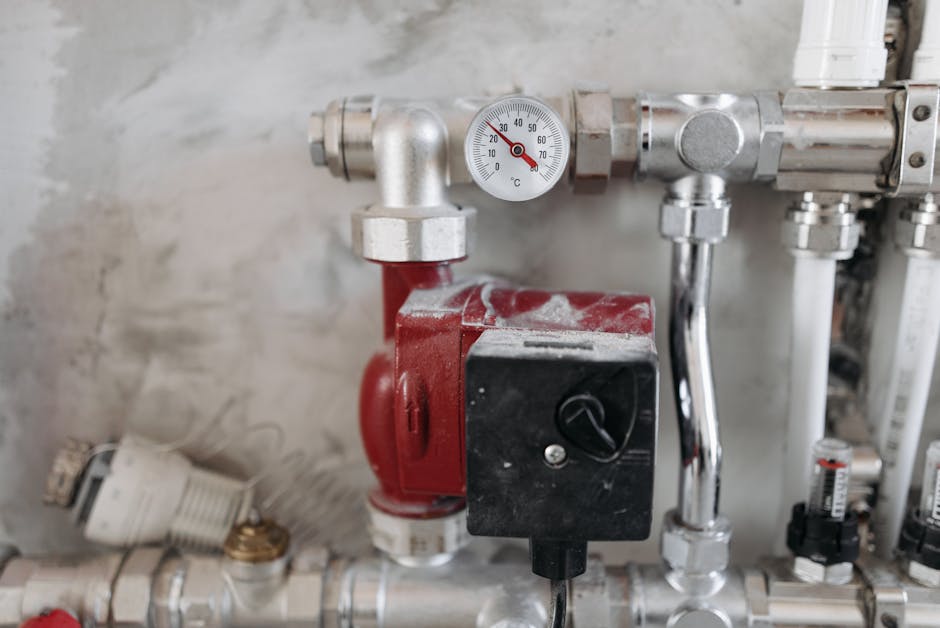
- Hot Water (Hydronic) Boilers: These systems circulate hot water through baseboards, radiators, or radiant in-floor tubing. They rely on circulator pumps and expansion tanks to maintain steady warmth.
- Combi (Combination) Boilers: Highly efficient, space-saving units that provide both central heating and on-demand domestic hot water. They feature complex control boards and compact heat exchangers that require expert maintenance.
- Condensing vs. Non-Condensing Boilers: Modern condensing boilers capture extra heat from waste gases to maximize energy efficiency. They feature delicate condensate traps and stainless steel heat exchangers that must be cleaned thoroughly during a service visit.
3. Confirm They Offer Repair, Installation, and Preventive Maintenance
A truly reliable HVAC partner should be a one-stop shop for your heating system’s entire lifecycle. If a company only handles installations but doesn’t offer ongoing maintenance, you’ll be left searching for a new provider when a minor part fails. Conversely, if they only do minor repairs, they won’t be able to help you design and execute a high-efficiency system upgrade.
At Complete Climate Services, we provide a complete suite of residential and commercial boiler services across our Maryland service area—including Columbia, Glen Burnie, and Lutherville-Timonium.
Understanding the differences between these core services can help you plan your heating budget:
| Service Category | Typical Frequency | Key Tasks Included | Primary Benefit |
|---|---|---|---|
| Routine Servicing | Annually (Pre-Winter) | Cleaning burners, testing safety controls, combustion analysis, checking for leaks. | Prevents breakdowns, maintains manufacturer warranties, and improves energy efficiency. |
| Boiler Repair | As Needed (Reactive) | Replacing faulty pumps, fixing zone valves, replacing thermocouples, sealing leaks. | Restores heat and hot water when components fail or wear out over time. |
| New Installation | Every 15–20 Years | Removing old equipment, sizing new system, piping, venting, and commissioning. | Drastically reduces energy bills, resolves chronic heating issues, and provides peace of mind. |
For a deeper dive into how these water-based systems compare to forced-air heating, see our guide to how hot water boilers differ from furnaces.
4. Ask These Questions Before Hiring Boiler Services
Before signing a contract or booking a diagnostic visit, protect yourself by asking these essential questions:
- Are your technicians licensed to work on gas and hydronic systems in Maryland?
- Do you offer 24/7 emergency boiler services for sudden heating failures?
- What is your diagnostic fee, and do you provide upfront, written estimates before starting any repairs?
- Are your technicians factory-trained to handle major brands like Weil-McLain, Crown, and Navien?
- Do you provide a written service report detailing all safety checks, gas pressures, and combustion analysis results?
- Do you offer maintenance plans or service contracts to help keep my annual tune-ups on schedule?
- What kind of warranty or guarantee do you offer on your parts and labor?
Asking these questions upfront filters out fly-by-night operations and connects you with professional contractors who stand behind their work.
5. Compare Boiler Services for Homes, Businesses, and Industrial Facilities
Heating requirements vary wildly depending on the building. A single-family home in Owings Mills has different needs than a multi-family apartment complex in Brooklyn, MD, or a commercial warehouse in Curtis Bay.
- Residential Homes: Focus on quiet operation, space efficiency (like combi boilers), and affordable annual maintenance. Homeowners need quick, neat service that respects their living space.
- Commercial Properties (Offices, Churches, Restaurants): These properties feature high-load heating systems that must keep customers and employees comfortable. Commercial boilers require specialized code compliance, regular boiler tending, and planned maintenance agreements to avoid costly business interruptions.
- Industrial Facilities: Often require high-pressure steam or thermal fluid systems for process heating. These systems require highly specialized ASME-certified repairs and, in some cases, temporary mobile boiler rentals to maintain production during major overhauls.
To learn more about how commercial systems manage these demanding environments, see our guide to handling heavy heating loads.
What a Professional Boiler Service Visit Should Include
A professional boiler service is much more than a quick visual check. It is a comprehensive, multi-step inspection designed to optimize safety, restore efficiency, and catch minor issues before they turn into expensive winter breakdowns.
When our technicians visit your home or business in Baltimore County, Anne Arundel County, or Howard County, you can expect a meticulous process.
Annual Service Frequency and Why It Matters
We recommend scheduling a professional boiler tune-up once a year, ideally during the late summer or early autumn before the deep winter freeze sets in.
- Warranty Compliance: Most major boiler manufacturers require documented annual servicing to keep your warranty valid. If a part fails and you cannot prove the system was maintained yearly, you may have to pay for the replacement out-of-pocket.
- Preventing Breakdowns: Over 70% of winter boiler failures are caused by a lack of regular maintenance. Dust, dirt, and minor wear can be easily resolved during a fall tune-up.
- Lower Energy Bills: Over a single heating season, soot and scale build-up can reduce your boiler’s heat transfer efficiency. Cleaning these surfaces can reduce your heating bills by up to 35%.
For more preparation tips, explore our guide on getting your boiler ready before winter.
Safety Checks and Performance Tests to Expect
During a standard boiler service, a qualified technician will perform the following critical safety and performance tests:
- Visual Casing and Pipework Inspection: Checking for signs of corrosion, water leaks, or rust on the boiler jacket and surrounding pipes.
- Gas Pressure and Let-By Testing: Ensuring the gas pressure entering the boiler matches manufacturer specifications and checking for gas leaks.
- Combustion Analysis: Using a specialized digital analyzer to measure the ratio of carbon monoxide (CO) to carbon dioxide (CO2) in the flue gases, ensuring safe and complete combustion.
- Safety Device Testing: Checking the pressure relief valve, low-water cutoff, and high-limit controls to ensure they will safely shut down the boiler if an unsafe condition arises.
- Component Cleaning: Thoroughly cleaning the burner, ignition electrodes, and condensate trap (for condensing models).
- Circulator Pump and Expansion Tank Check: Verifying that water is circulating properly and that the expansion tank is holding the correct air charge.
How Maintenance Improves Efficiency and Long-Term Costs
When a boiler’s burners are clean, its gas pressure is perfectly calibrated, and its water flow is balanced, it doesn’t have to work as hard to heat your property. This reduces “short cycling” (the boiler turning on and off rapidly), which is one of the leading causes of premature equipment wear.
By keeping your system running at peak performance, you can improve boiler efficiency, enjoy lower monthly utility bills, and extend the lifespan of your equipment up to its 20-year potential.
Warning Signs You Need Boiler Repair or Replacement
Your boiler will almost always give you warning signs before it stops working entirely. Recognizing these signs early can save you from a freezing night without heat.
When a Repair Is Usually Enough
Many common boiler issues can be quickly and affordably repaired without needing to replace the entire unit.
- Air in the System: If you notice cold spots on your radiators, it often means air is trapped in the system. Bleeding the radiators or replacing an automatic air vent usually solves this.
- Faulty Thermostat or Sensors: If your boiler keeps turning off or won’t reach the set temperature, a faulty sensor or thermostat is often to blame.
- Circulator Pump Failure: If the boiler fires up but your radiators remain cold, the pump that circulates hot water may need to be repaired or replaced.
- Minor Leaks or Pressure Drops: Replacing a worn-out pressure relief valve or tightening a loose fitting can easily resolve minor water leaks.
If your system is acting up, learn what to do when your boiler stops producing heat and why banging boiler sounds should not be ignored.
When Replacement May Be the Smarter Choice
While we always try to repair a system first, there are times when continuing to patch up an old boiler is simply throwing good money after bad. It may be time to replace your boiler if:
- The System is Over 15–20 Years Old: Older boilers operate at much lower efficiencies (often around 60–70% AFUE) compared to modern condensing systems (up to 95%+ AFUE).
- Frequent and Costly Breakdowns: If you’ve had to call for repairs multiple times over the last year, those costs will quickly add up to the price of a new system.
- Major Component Failure: If the heat exchanger is cracked or leaking, the system is no longer safe to operate, and replacement is almost always the most cost-effective option.
- Severe Internal Corrosion: Rust inside the boiler shell or major pipework indicates the system is reaching the end of its functional life.
To evaluate your options, read our guide on when it’s time to replace your boiler or learn about the benefits of a modern boiler upgrade.
How Emergency Boiler Repairs and Temporary Heat Work
When a boiler fails during a freezing Maryland winter, it is a true emergency. Frozen pipes can burst within hours, leading to thousands of dollars in water damage.
A reliable boiler service provider will offer 24/7 emergency response. When you call for emergency help, a technician should guide you through emergency shutoff procedures over the phone to keep your property safe while they are en route. For commercial properties, a professional team can also arrange temporary rental boilers or portable heating solutions to keep your business open while repairs are being made.
For a closer look at what to expect during a heating emergency, read about common boiler repairs in Baltimore.
Costs, Service Plans, Brands, and Local Provider Selection
Understanding the financial side of boiler services helps you make smart decisions for your property without any unpleasant surprises.
What Influences Boiler Service, Repair, and Installation Costs
Several factors will impact the final invoice for your boiler work:
- Boiler Type and Fuel: Gas, oil, and electric boilers have different component costs and require different diagnostic tools.
- System Accessibility: If your boiler is tucked away in a tight crawlspace or a hard-to-reach commercial mechanical room, the extra labor time will affect the cost.
- Venting and Piping Upgrades: When installing a modern condensing boiler, the technician must install specialized PVC venting and condensate drains, which can add to the initial installation cost.
- Emergency vs. Scheduled Service: After-hours, weekend, or holiday emergency calls typically incur higher diagnostic fees than a standard weekday appointment.
How Boiler Maintenance Contracts Typically Work
Many homeowners and businesses choose to enroll in a boiler maintenance contract or service plan. These plans usually require a small monthly or annual fee and include:
- An annual safety inspection and precision tune-up.
- Priority scheduling, putting you at the front of the line during peak winter cold snaps.
- Discounted diagnostic fees and repairs.
- Detailed service records, which are incredibly valuable if you ever decide to sell your property.
To get the most out of your plan, check out our boiler maintenance tips.
Why Brand Knowledge and Training Still Matter
Modern boilers are highly sophisticated machines. They feature advanced digital control boards, modulating gas valves, and complex outdoor reset sensors. Technicians must undergo regular, brand-specific training to properly install and service these units.
Using original equipment manufacturer (OEM) parts during repairs is crucial. Generic parts can compromise your system’s efficiency, safety, and warranty coverage. Whether your system is a Weil-McLain, Crown, Burnham, or Navien, make sure your service provider has direct access to factory training and genuine replacement parts.
How to Choose a Reliable Local Boiler Company
When searching for the right partner in the Baltimore area, look for a company that has deep roots in the community.
At Complete Climate Services, we have provided honest, reliable residential and commercial HVAC services across Baltimore, Ellicott City, Towson, and surrounding areas for over 20 years. Maintaining a 5.0-star rating across platforms is a testament to our commitment to transparent pricing, clear communication, and outstanding technical expertise.
Before you hire a company, read their local reviews, verify their licensing, and make sure they offer a written, no-pressure scope of work. For more tips on finding a great local partner, read our guide to spotting boiler problems early.
Frequently Asked Questions About Boiler Service Providers
How often should a boiler be serviced?
A boiler should be serviced once a year, ideally in the late summer or early fall before the heating season begins. Regular annual servicing ensures the system operates safely, maintains its energy efficiency, prevents costly mid-winter breakdowns, and keeps your manufacturer’s warranty valid.
What is the difference between boiler servicing, repair, and installation?
- Boiler Servicing is preventive maintenance performed on a working system to clean components, test safety controls, and optimize efficiency.
- Boiler Repair is reactive work performed to diagnose and fix a specific fault, leak, or component failure.
- Boiler Installation is the process of removing an old, failing, or inefficient boiler and replacing it with a brand-new, professionally sized heating system.
What types of boilers can technicians usually service?
Qualified HVAC technicians can service a wide range of systems, including residential and commercial steam boilers, hot water (hydronic) boilers, high-efficiency condensing boilers, combi boilers, and system boilers. These units can be fueled by natural gas, propane, heating oil, or electricity.
Conclusion
A well-maintained boiler is the heart of a warm, safe, and comfortable property during the cold Maryland winter. By taking the time to verify licensing, matching the provider to your specific boiler type, and scheduling annual maintenance, you can enjoy lower energy bills, safer operation, and reliable heat for decades to come.
Whether you need a routine pre-winter tune-up, an urgent repair, or a high-efficiency system upgrade, our team at Complete Climate Services is here to help. We proudly serve residential and commercial clients across Baltimore, Catonsville, Columbia, Dundalk, Ellicott City, Towson, and surrounding communities with over 20 years of honest, 5.0-star rated service.
Don’t wait for the first deep freeze of the season. Schedule professional boiler service with us today to keep your home or business warm all winter long!