Installing a heat pump is one of the best ways to upgrade your home’s comfort and efficiency. For homeowners in Towson, summer is the perfect time to get it done. While you may be more focused on cooling right now, thinking ahead gives you a head start before the heating season rolls in. A well-planned heat pump installation means you’re not scrambling last-minute when the weather turns cold. Plus, it helps avoid peak-season wait times and lets your system settle in well before you actually need it.
Getting the right heat pump and having it installed correctly will make your home more comfortable and your energy bills more manageable over the long haul. But just like any upgrade, there are steps to follow and choices to make. From picking the right system for your space to prepping your home before the crew arrives, planning ahead can save you a lot of trouble later.
Choosing the Right Heat Pump for Your Home
Not all heat pumps work the same way, and your home’s size, layout, and insulation matter a lot when picking the right one. The two most common types are air-source and ground-source. Air-source heat pumps are widely used because they are easier to install and cost less upfront. Ground-source heat pumps, often called geothermal, tend to last longer, but they usually require more space and a bigger investment.
When choosing a heat pump for your Towson home, keep these factors in mind:
– Home size and layout: A system that’s too small won’t heat or cool efficiently. One that’s too large will cycle on and off too often, which wastes energy and could lead to long-term wear.
– Climate compatibility: Air-source heat pumps work well in mild climates, which makes them a solid option for homes in Maryland. If your home gets colder in the winter or has poor insulation, you may need a supplemental heating source.
– Noise level: Some units are quieter than others. If the pump sits near a bedroom or window, make sure to choose a quieter model.
– Energy ratings: Look for systems with high SEER (Seasonal Energy Efficiency Ratio) and HSPF (Heating Seasonal Performance Factor) ratings. These numbers help you understand how efficiently the system operates over time.
If you’re unsure what size or model will work best, it’s a good idea to have an HVAC technician survey your home. They’ll recommend a system based on square footage, ceiling height, insulation levels, and room layout. One example: a split-level house with lots of open space might need zoned heating and cooling, which allows different areas to be controlled separately for better temperature balance.
Getting your system choice right at the start makes the entire process smoother and leads to better comfort year-round.
Preparing Your Home for Installation
Once you’ve picked the right heat pump, there are a few steps to take before installation day. A little preparation goes a long way toward making sure the setup goes quickly and without problems. Even if the pros are doing all the work, your home still needs to be ready for them.
Here are a few ways to prep your home for a heat pump installation:
1. Clear space around the installation site: Whether it’s indoors or outdoors, make sure the area is open and free of obstacles. That includes furniture, plants, or stored items.
2. Check access points: Technicians need a clear path from their truck to the work area. Make sure gates, doors, and paths are open and easy to get through.
3. Assess your electrical system: Heat pumps may require a dedicated circuit or upgraded wiring. An inspection will confirm if your electrical panel can handle the load.
4. Plan the outdoor setup: If it’s an air-source unit, it needs to be placed on level ground with good airflow all around. Try to avoid placing it right under windows or close to tight corners.
5. Consider drainage: The system will produce some condensation, especially in cooling mode. Make sure there’s a proper way for that moisture to drain away from your house.
Depending on your home, the crew might have to do more than just drop in a unit. That could include adding or modifying ductwork, adjusting insulation, or setting up a smart thermostat for better control. Taking these steps ahead of time helps avoid delays and prevents last-minute surprises.
The Installation Process
Once you’ve chosen your heat pump and prepped your home, it’s time for the installation. Knowing the steps involved can help you feel more comfortable with what you can expect. A typical installation involves several key stages that ensure your system runs smoothly from day one.
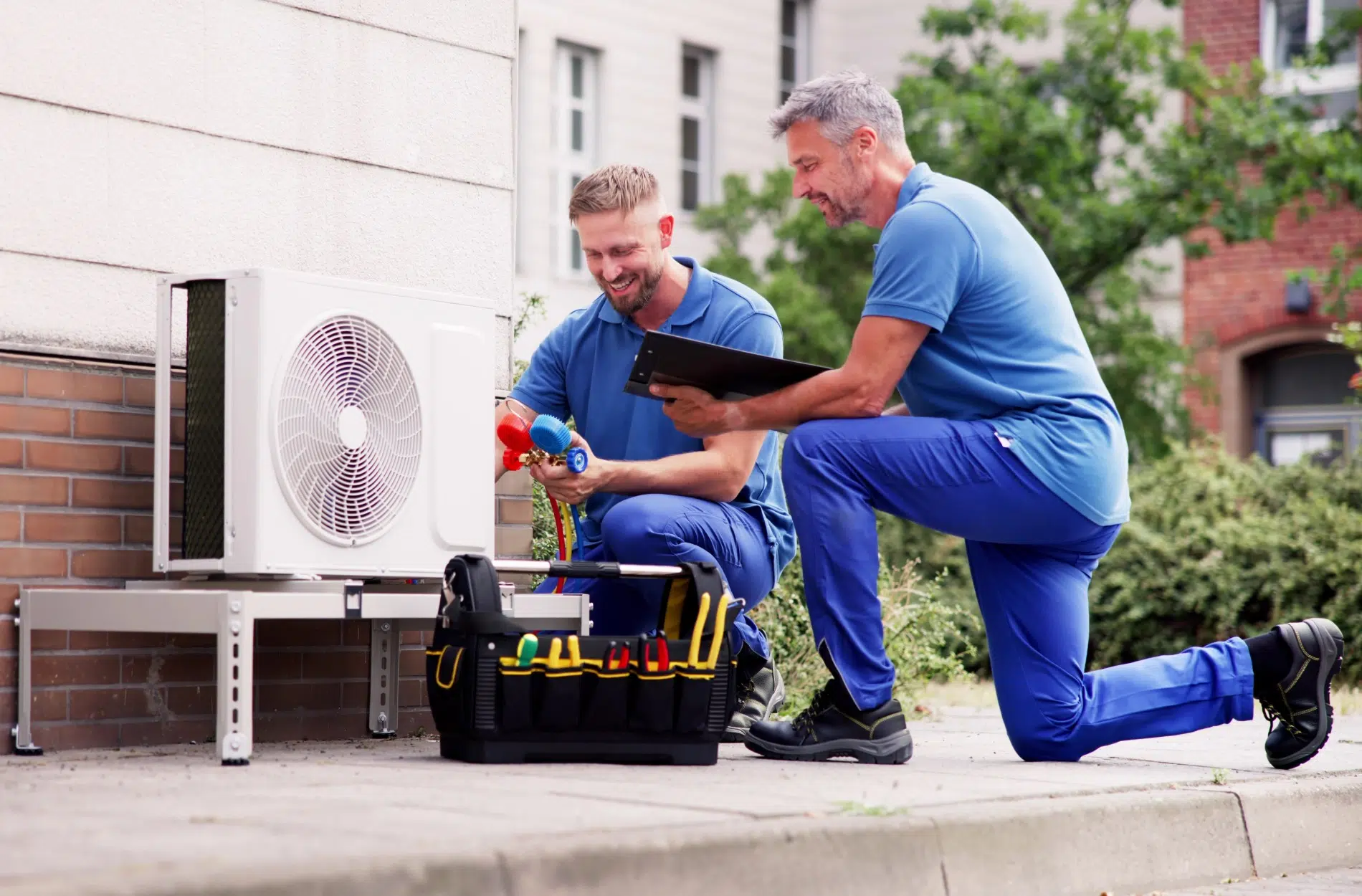
First, the technician will assess the chosen site for the indoor and outdoor units. They’ll confirm the locations are optimal and make any adjustments needed. Next, they take care of connecting the various components, including the refrigerant lines, electrical wiring, and any ductwork if needed. This ensures everything functions as it should to handle your home’s heating and cooling needs.
Expect some drilling and minor construction work during the process. Team members will also install thermostats or smart controls and walk you through the basics of using them. While the day may feel a little busy, the work is usually wrapped up in a day or two depending on your setup.
Installers will seal, test, and calibrate your heat pump. They’ll check for any leaks and fine tune the system for proper performance. Once the work is done, the area is cleaned up, and you’re left with a ready-to-run system.
Post-Installation Considerations
After your heat pump has been installed, a few steps can help you keep it running like new. This extends the life of your unit and keeps it operating efficiently year-round.
Make it a habit to schedule annual maintenance checks. These visits make sure filters are clean, refrigerant levels are right, and electrical components are in good shape. A well-maintained heat pump uses less energy and breaks down less often.
Here are some common signs to watch for:
– Unusual noises: Clicking, rattling, or banging sounds might mean something’s loose or misaligned.
– Weak airflow: This could point to duct blockages, dirty filters, or system malfunctions.
– A spike in your energy bills: If your costs have climbed without any clear reason, your heat pump may not be working efficiently.
Keeping up with small issues prevents larger repairs down the line. And by setting up service visits with Complete Climate Services, you’re taking a step toward fewer headaches when temperatures change.
Stay Comfortable Year-Round
A professionally installed heat pump gives you the best shot at keeping your home comfortable no matter what the weather is doing. Since these systems both heat and cool, they work for you across all seasons.
For even better performance, pairing your pump with a smart thermostat can help. These devices adjust automatically based on your habits, and you’ll have more control over your home’s climate whether you’re relaxing on the couch or away for the weekend.
If you live in Towson and are thinking about improving your heating and cooling setup, now is a smart time to plan ahead. Installing your system in the summer means you’re ready when the cold hits, with no rush and fewer scheduling delays.
A heat pump isn’t just a purchase. It’s a long-term solution that improves the way you live in your home.
Frequently Asked Questions (FAQs)
How long does a heat pump installation typically take?
Most installations take one to two days, depending on the size of your home and whether any electrical or duct upgrades are needed.
What are the signs that I need a new heat pump?
If your system is more than 10 years old, runs constantly, or no longer heats or cools your home evenly, it may be time to replace it.
Can I use my existing ductwork with a new heat pump?
Yes, in many cases your current ductwork can be used, but it should be inspected for leaks or damage before moving forward.
What kind of maintenance does a heat pump require?
Yearly service is recommended to clean filters, check refrigerant levels, and make sure moving parts like fans and motors are working well.
Are heat pumps noisy?
Most modern models are fairly quiet, especially when installed correctly. If noise is a concern, talk to your technician about quieter options.
To enjoy the benefits of a professional heat pump installation right here in Towson, count on Complete Climate Services to assist you every step of the way. From selecting the right unit to making sure everything is set up properly, we focus on your year-round comfort. Learn how our team can help create a more efficient home climate with heat pump installation in Towson.